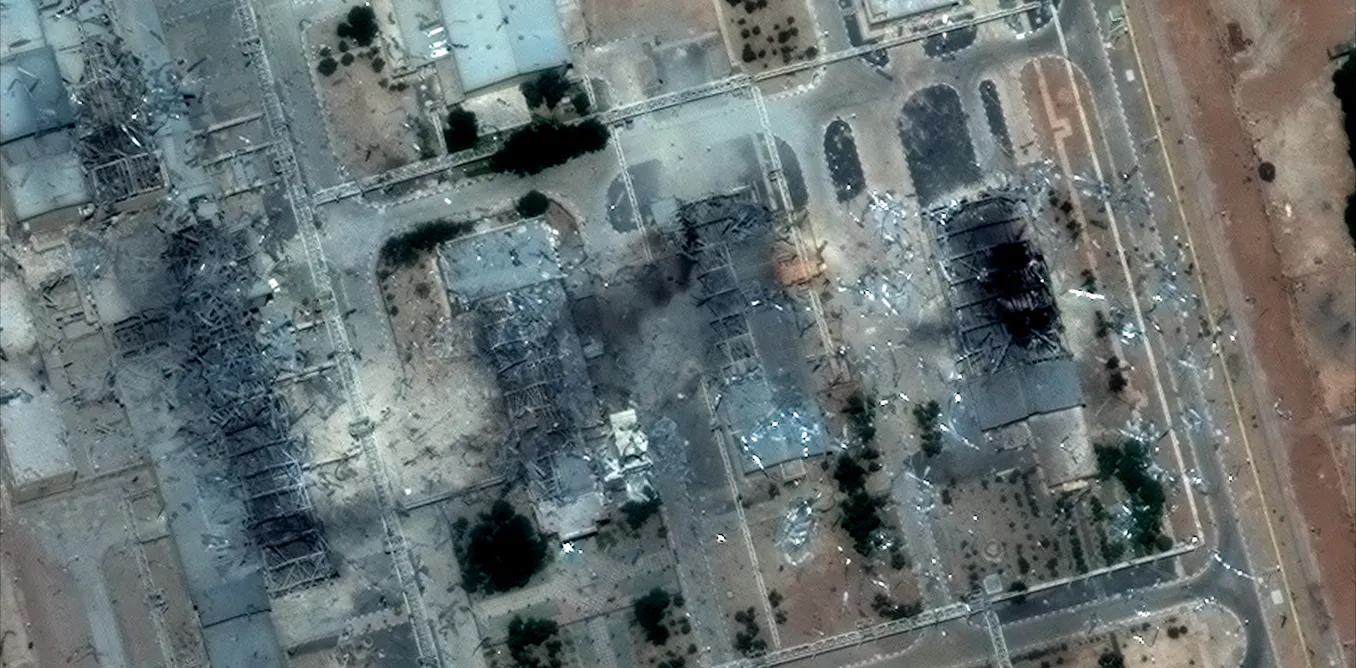
Recent US and Israeli strikes on Iran's nuclear facilities have prompted Iran to threaten withdrawal from the Non-Proliferation Treaty (NPT) and suspend cooperation with the IAEA. This escalation is seen as severely damaging the global nuclear nonproliferation regime, potentially accelerating Iran's pursuit of nuclear weapons and increasing the risk of regional proliferation, particularly in the Middle East. The article highlights the NPT's inherent vulnerabilities, suggesting these actions could lead to heightened geopolitical instability and a more dangerous international security landscape.
Recent military strikes by the United States and Israel on Iranian nuclear facilities have triggered a significant geopolitical escalation with material market implications. Iran has responded with retaliatory missile strikes and has announced its intent to withdraw from the Treaty on the Nonproliferation of Nuclear Weapons (NPT), a foundational global security agreement. An Iranian parliamentary committee has further moved to suspend all cooperation with the International Atomic Energy Agency (IAEA), effectively ending international oversight of its nuclear program. This breakdown of diplomatic and inspection frameworks is viewed not as a deterrent but as a catalyst that will likely harden Iran's resolve to develop a nuclear weapon, potentially accelerating its timeline through reconstituted enrichment activities or direct assistance from nations like Russia. The crisis poses a severe threat to the global nonproliferation regime, raising the specter of a regional arms race, with states like Saudi Arabia potentially re-evaluating their NPT commitments in response to a nuclear-capable Iran.
AI-powered research, real-time alerts, and portfolio analytics for institutional investors.
Overall Sentiment
strongly negative
Sentiment Score
-0.80
