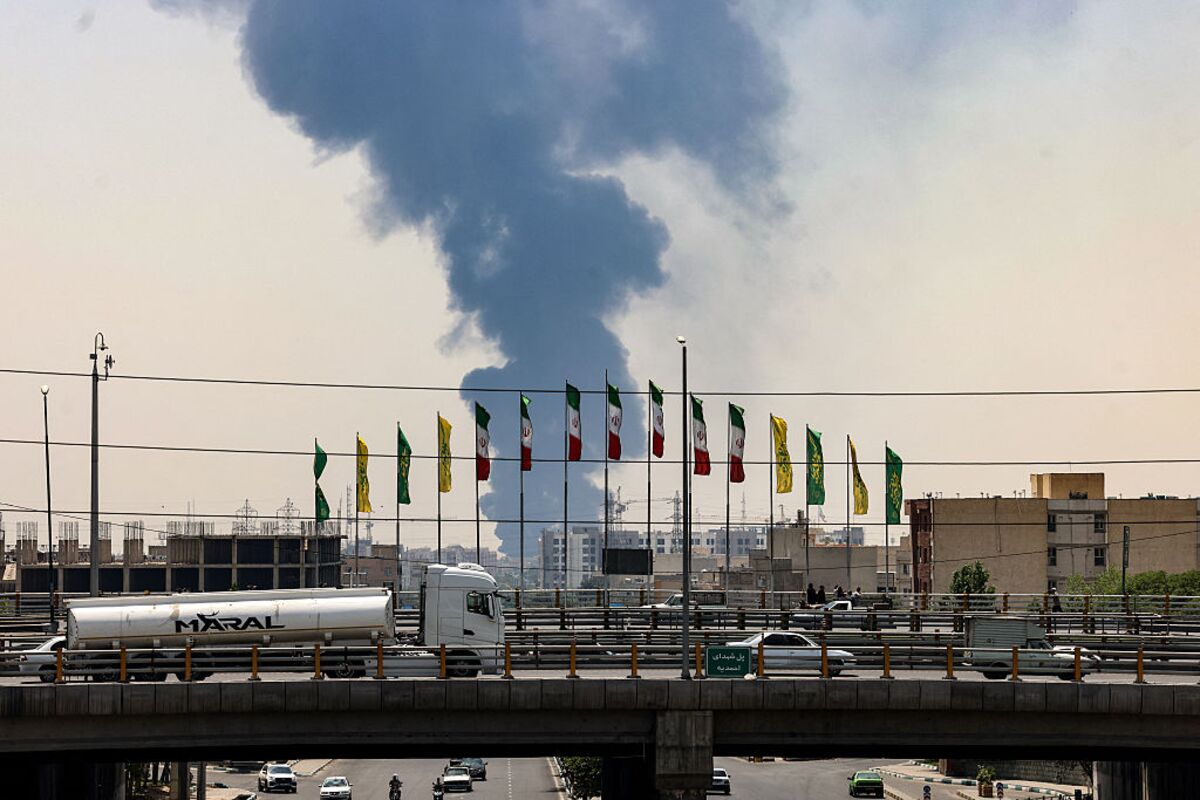
Despite the recent Middle East crisis, oil prices have remained relatively stable, diverging from expectations of a spike following the October 7th Hamas attack on Israel. Increased American oil production capacity, compared to the 1970s oil shock, and the unlikelihood of Iran directly targeting Saudi Arabian and Gulf State energy infrastructure are factors contributing to this price resilience.
The current Middle East crisis, notably following the October 7th Hamas attack on Israel, has not precipitated the anticipated spike in oil prices, a deviation from historical patterns observed during regional turmoil. This resilience is attributed, in part, to significantly increased American oil production capacity, which provides a buffer against supply shocks, contrasting sharply with the market dynamics of the 1970s oil crisis. Further contributing to price stability is the assessment by analysts Golnar Motevalli and Dina Esfandiary, suggesting a low probability of Iran directly targeting energy infrastructure in Saudi Arabia or other Gulf States. Consequently, the oil market appears somewhat impervious to the recent geopolitical escalations, reflecting a structural shift in supply dynamics and perceived geopolitical risk to energy assets.
AI-powered research, real-time alerts, and portfolio analytics for institutional investors.
Request DemoOverall Sentiment
moderately positive
Sentiment Score
0.45
