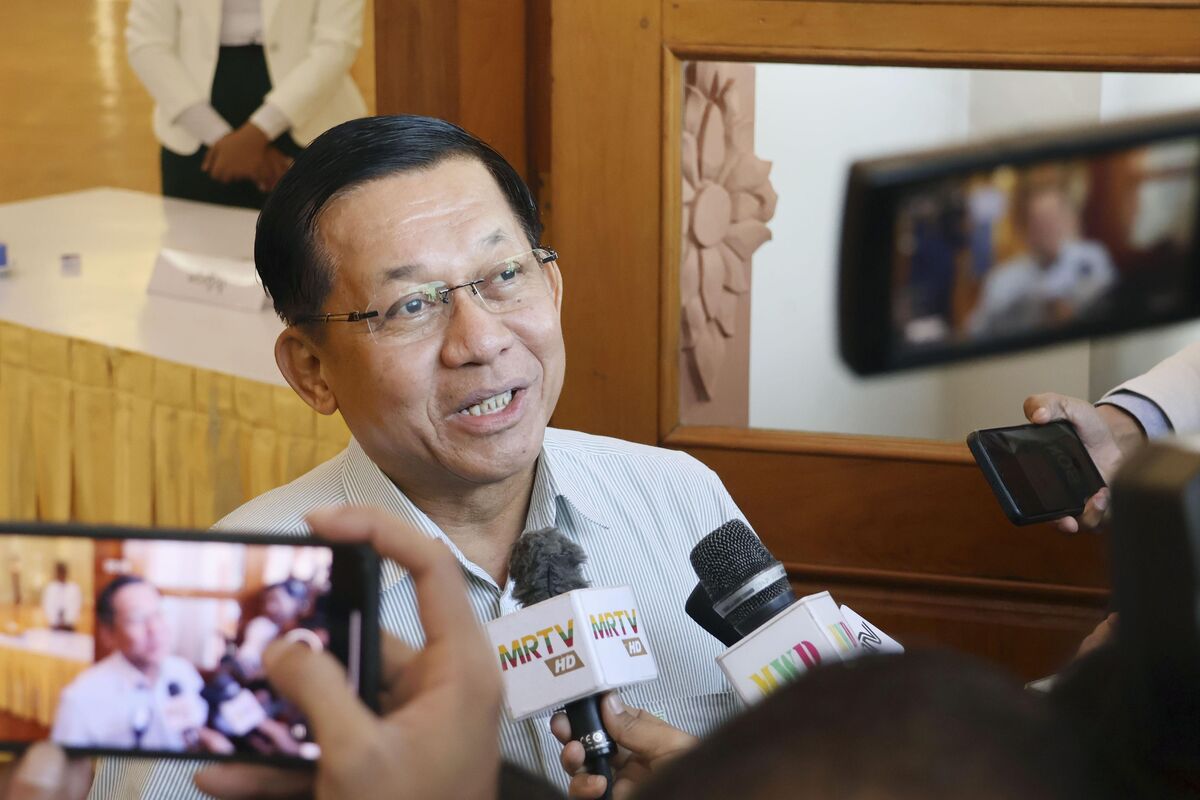
Min Aung Hlaing, 69, secured the lower house nomination for vice president after elections in January criticized by the UN as a sham, and stepped down as commander-in-chief to comply with the 2008 constitution ahead of a presidential vote. The move cements military-backed rule via the USDP's overwhelming parliamentary majority and raises political and sovereign-risk for Myanmar, increasing the likelihood of continued international condemnation and potential sanctions that could pressure emerging-market investors and local assets.
The immediate strategic winner is the set of external state-backed actors and SOEs willing to assume political risk to secure energy, mining and infrastructure assets; expect a 6–24 month acceleration of China/Russia-linked project awards and non-transparent private deals that crowd out Western contractors. That reallocation will be value-transferring rather than creating new global demand — Chinese contractors gain secured pipeline-to-port work and upstream stakes at discounted valuations, implying 20–40% bid premium for targeted assets in the next 12 months.
Regional macro spillovers should be front-loaded into FX and risk premia: markets typically reprice sovereign/peripheral Asian risk within weeks, with FX moves of 3–8% and sovereign spread widening of 100–300bps visible within 1–3 months after sanctions/escalation. A credible tail-risk is an insurgent campaign or targeted disruption to cross-border gas pipelines, which would force accelerated LNG procurement by Thailand and spike short-term energy import costs by an incremental $2–6/ MMBtu and pressure Thai corporate margins for 1–2 quarters.
Policy and recognition are the primary reversers: rapid, coordinated sanctions plus conditional recognition pathways (sanctions relief for electoral reform) could flip flows within 6–12 months; absent that, expect a multi-year structural tilt toward China with persistent higher transaction costs for third-party insurers and banks (war-risk and compliance premia 150–400bps). For investors, the cleanest plays are: (1) express pro-China contractor/energy exposure versus ASEAN private cyclicals, (2) tactical FX and tourism/transport shorts in Thailand, and (3) optionality into defense/security and insurance repricing — all sized to a scenario book that assumes 3–12 months of elevated volatility.
AI-powered research, real-time alerts, and portfolio analytics for institutional investors.
Request DemoOverall Sentiment
strongly negative
Sentiment Score
-0.70
