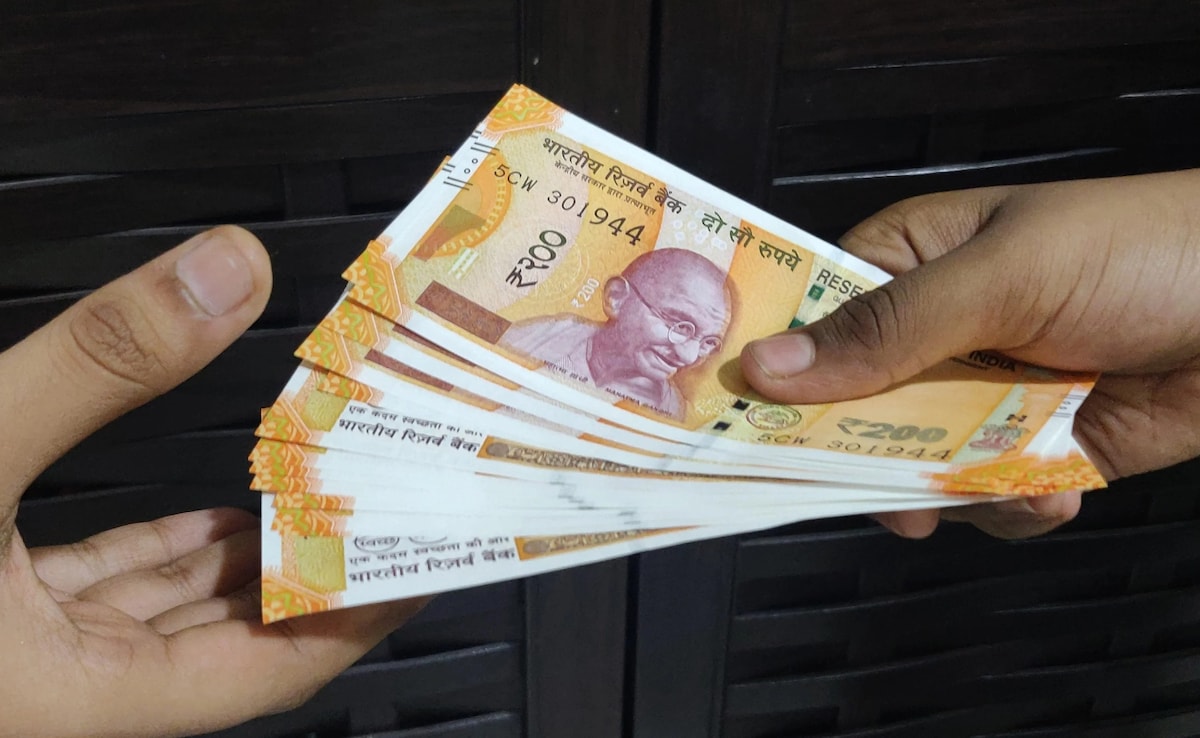
The Indian rupee plunged to an intra-day record low of 95.22 vs the USD, erasing an initial gain (opened 93.62, briefly 93.57) and falling 160 paise from the open; Friday's close was 94.85 (down 89 paise). Rising Brent crude at $115.50/bbl (+2.6%), elevated dollar index (~100.30), geopolitical tensions and an RBI reduction of banks' overnight net open position to $100m pressured the currency. Domestic equities fell sharply—Sensex down 1,733.78 pts to 71,849.44 and Nifty down 528.45 pts to 22,291.15—while FIIs net sold ~Rs 4,367.30 crore on Friday.
The current FX stress is best viewed as a compound shock: an external commodity-driven terms-of-trade hit layered on top of dollar strength and tight global liquidity. Mechanically, each sustained move higher in crude rapidly magnifies India's import bill (order of $10s of billions per $10/bbl range annually), which forces a trade-off between FX intervention, bond market accommodation, and higher domestic rates; that triad creates a feedback loop that can amplify rupee moves for several weeks.
Flow dynamics matter more than fundamentals in the immediate horizon: portfolio outflows can turn intrinsic current-account pressure into funding squeezes via NDFs and forwards, creating transient steep moves that reverse once either oil or DXY normalizes. The central bank has a narrow toolkit — spot intervention is expensive and finite, so expect increasing reliance on swaps/forwards, targeted liquidity operations, and verbal guidance before any outright policy-rate pivot.
Winners/losers are not binary. Exporters get a translation tailwind but hedging windows and corporate FX debt profiles mute instantaneous equity gains; importers, airlines, and domestic refiners face margin compression and working-capital stress that will show up in next-quarter cash flows. Secondary effects include faster corporate hedging activity (raising forward premia), upward pressure on short-term INR funding costs, and a higher probability of fiscal-visible support measures if pressures persist into the budget window.
Key catalysts that would reverse the trend are a sustained drop in oil or a decisive easing in the dollar — both can unwind NDF positioning within 2–6 weeks. Tail risks that extend the stress include further geopolitical flare-ups pushing oil materially higher or a coordinated global rate surprise that keeps the dollar bid for months.
AI-powered research, real-time alerts, and portfolio analytics for institutional investors.
Request DemoOverall Sentiment
moderately negative
Sentiment Score
-0.60
