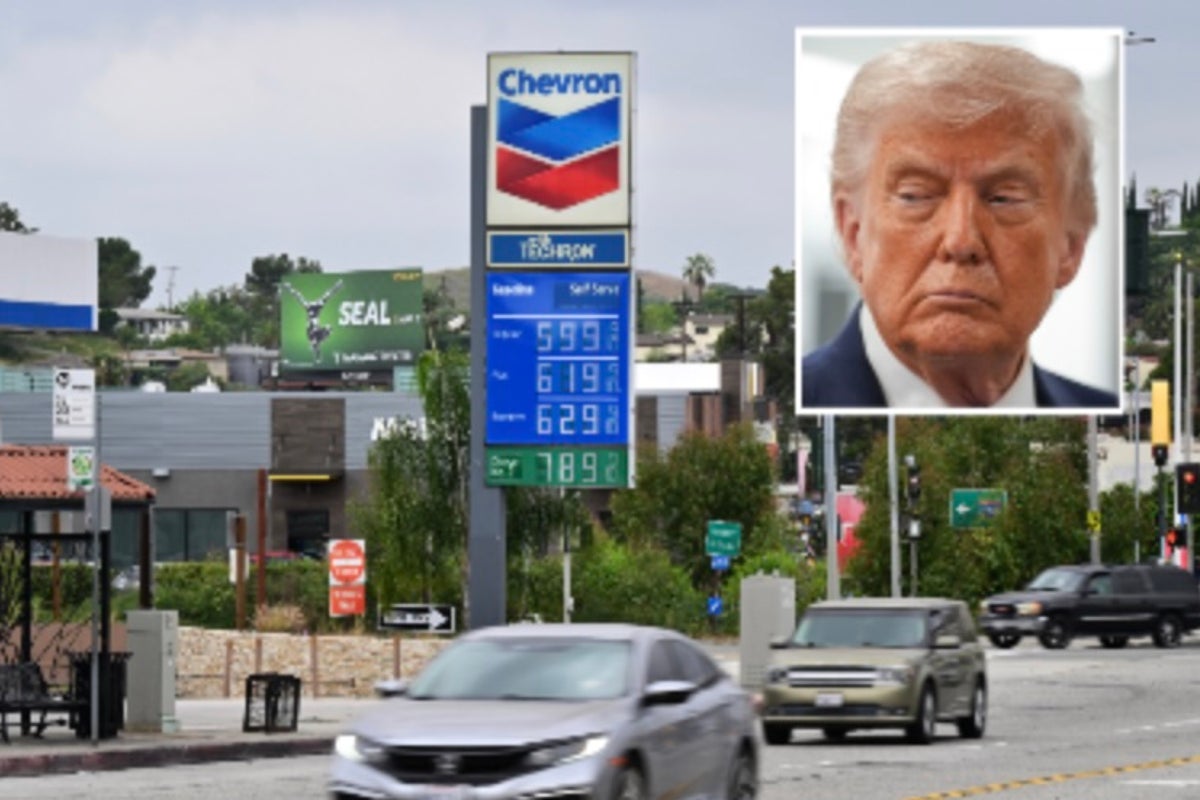
U.S. national average gasoline is about $4.09/gal (up ~31.5% from $3.11 a month ago), while West Texas Intermediate crude has risen from $67 to $111/barrel (~65.7%) since Feb 27 amid the Iran war and effective closure of the Strait of Hormuz. The Trump administration has released 172 million barrels from the Strategic Petroleum Reserve (the second-largest release) to blunt the shock, but officials characterize price moves as temporary despite ongoing military strikes and uncertain conflict duration. The supply-driven oil spike poses near-term inflationary and consumer-demand headwinds and creates broader market volatility and downside risk for growth-sensitive sectors.
A geopolitical shock that raises oil risk premia redistributes near-term cash flows toward producers and refiners with available export capacity while compressing discretionary consumer spending. The immediate transmission mechanism is not crude scarcity but elevated transportation and input costs that magnify margins for upstream players and crack spreads for advantaged refiners; those margins are the principal driver of equity outperformance in weeks-to-months.
Second-order supply-chain effects matter: higher fuel and feedstock prices ripple into fertilizer, shipping insurance, and trucking, boosting working-capital needs for cyclical industrials and softening demand for big-ticket consumer items. Inventories, regional refinery outages and logistics bottlenecks create localized price dispersion — a window for short-term arbitrage between regional fuel markets and refined-product exporters.
Timing and reversal paths are asymmetric. A credible de-escalation or restored chokepoint throughput can collapse risk premia in days, whereas meaningful incremental upstream supply takes 12–24 months to emerge, keeping volatility elevated and political policy responses (tax credits, SPR replenishment mandates) on the table. Inflation psychology may harden if consumers revise expectations, altering central-bank reaction functions and extending the macro impact beyond a typical commodity cycle.
Portfolio implication: favor exposures that monetize elevated spreads quickly and avoid long-duration consumer cyclicals vulnerable to squeezed real incomes. Hedging with TIPS and volatility instruments is prudent while keeping position sizes tactical given the high odds of a sharp reversal on successful diplomacy.
AI-powered research, real-time alerts, and portfolio analytics for institutional investors.
Request DemoOverall Sentiment
mildly negative
Sentiment Score
-0.30
Ticker Sentiment
