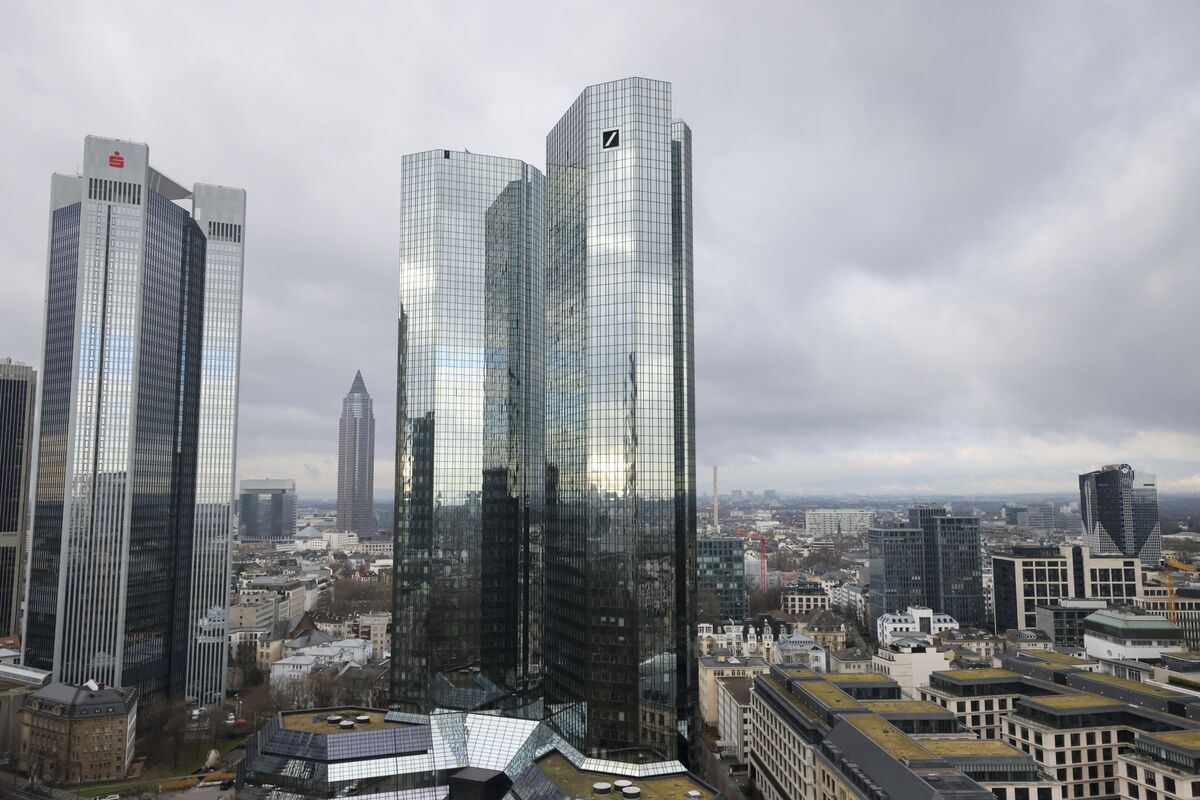
Stoxx 600 Banks Index is down 8.7% year-to-date, poised to end a record 13-quarter winning streak that began in 4Q 2022. The pullback reflects investor concerns about the Iran war's economic impact, an exodus from the private credit market, and rising energy prices that could hurt growth, offsetting prior optimism around strong earnings and capital returns.
The immediate winners are high-quality, deposit-rich universal banks and covered-bond issuers that can fund balance-sheet growth without resorting to volatile wholesale markets; they pick up loan flow and fee income when private-credit middle offices deleverage. Conversely, mid-tier wholesale-focused banks and non-bank lenders that relied on private credit syndication will see funding spreads and trading VaR-related hits, compressing ROE as buybacks and incremental dividends are re-prioritized toward CET1 preservation.
Energy-price volatility is a transmission mechanism into credit: expect a concentrated deterioration (10–15% higher 12-month default incidence versus baseline) in energy-intensive SMEs and highly leveraged corporate borrowers within 3–12 months, which disproportionately affects lenders with large SME/CRE books. Separately, forced selling from private-credit managers creates short-term supply of leveraged loans into bank balance sheets and CLO warehouses, expanding banks’ risk-weighted assets and creating an earnings drag through higher capital charges.
Near-term catalysts are headline-driven (days–weeks): any sharp escalation in the Iran theatre or a major shipping disruption will spike funding spreads and equity vol. Medium-term (3–12 months) catalysts that could reverse the move include: energy-price normalization, visible redeployment of private-credit allocations back into banks as yields re-price, or a coordinated regulatory message allowing temporary capital flexibility for buybacks. A sustained 100–200bp widening in bank wholesale funding would plausibly shave 5–10% off aggregate bank EPS over the next 12 months, while a reversion of energy back toward prior averages would recover a material share of that loss.
The consensus is pricing a homogeneous banking shock; it overlooks divergence in business mix and capital fungibility. Banks with sticky retail deposits and lower loan-to-deposit metrics can grow NII and capture redeployed credit demand — that asymmetry implies a multi-month dispersion trade, not a blanket short on the sector.
AI-powered research, real-time alerts, and portfolio analytics for institutional investors.
Request DemoOverall Sentiment
mildly negative
Sentiment Score
-0.35
