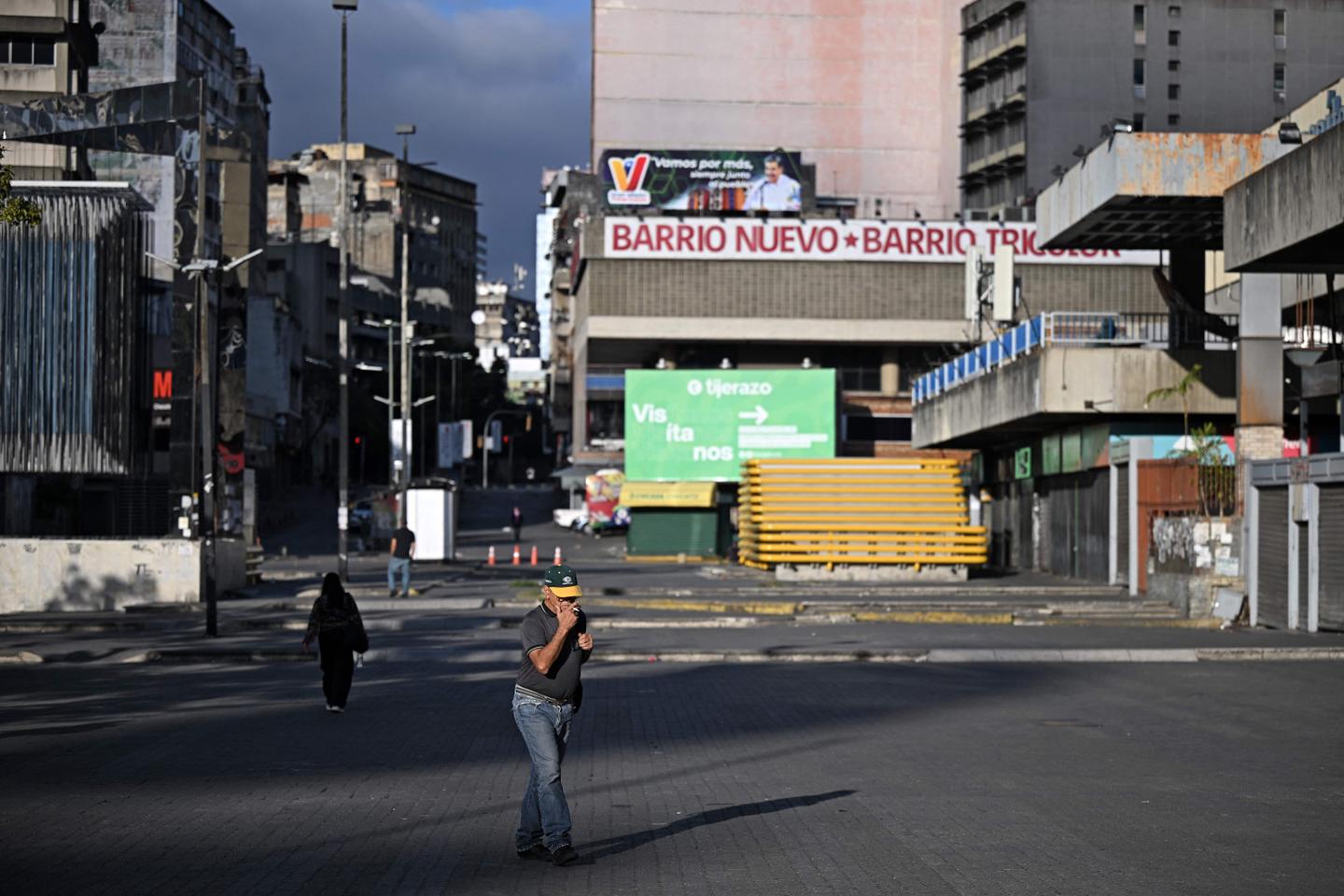
A US operation that resulted in the capture of Venezuelan President Nicolás Maduro left Caracas unusually quiet, with businesses and transport largely shuttered, supermarkets crowded for food, and the presidential palace guarded by armed forces; explosions during the operation damaged homes in La Guaira. The episode signals acute political instability in an oil-producing emerging market, raising short-term risks to local economic activity, supply chains and investor sentiment, and creating potential for heightened volatility in regional assets and commodity markets.
Market structure: Short-term winners are safe-haven assets (USD, gold) and defense contractors; oil prices should see an immediate risk-premium bid despite Venezuela’s constrained spare capacity, implying a 3–6% shock to Brent/WTI risk premia over days. Direct losers are Venezuelan retail, local FX/sovereign debt and PDVSA creditors; domestic commerce and logistics will see sharp demand destruction for weeks and EM fund flows will tilt risk-off. Cross-asset: expect EM sovereign spreads to widen +100–400bp, Venezuelan CDS to gap materially, and implied equity volatility in LatAm ETFs to spike 20–50% in the first 1–2 weeks.
Risk assessment: Tail risks include escalation to regional conflict or broader sanctions that could remove 0.5–1.2 mbd of crude from markets (low probability, high impact). Time horizons: immediate (days) = liquidity crunch, volatility spikes; short-term (weeks–months) = oil price direction and EM spreads; long-term (quarters–years) = potential gradual normalization of Venezuelan output if a stable government and investment arrive (0.2–1.0 mbd recovery over 12–36 months). Hidden dependencies: PDVSA’s physical capacity and tanker logistics, US policy shifts, and OPEC spare capacity are key non-linear knobs. Catalysts: US government statements, OPEC meetings, and verified PDVSA export flows should move prices quickly.
Trade implications: Tactical trades should be small, volatility-aware and time-boxed. Prefer short-dated bullish exposure to oil (call spreads) and convex protection on EM credit (EMB puts) rather than outright directional EM longs; selectively long US defense names (RTX, LMT) for a 1–3 month horizon. Sector rotation: increase cash and Hedges (gold, short LatAm equity exposure), trim direct EM sovereign credit exposure until volatility subsides.
Contrarian angles: The consensus to buy oil and lift oil majors may be overdone—history (Iraq, Libya) shows regime change rarely restores full production <12–36 months; markets may price a recovery that doesn’t occur. Opportunity: short-term oil ripples could reverse if PDVSA infrastructure is destroyed or sanctions hamper exports; consider selling rallies >10% in oil with options hedges. Unintended consequences include prolonged humanitarian crisis driving sanctions/insurance costs higher and keeping Venezuelan oil offline longer, which would favor prolonged commodity upside and defense/adjacent insurance plays.
AI-powered research, real-time alerts, and portfolio analytics for institutional investors.
Request DemoOverall Sentiment
moderately negative
Sentiment Score
-0.50
