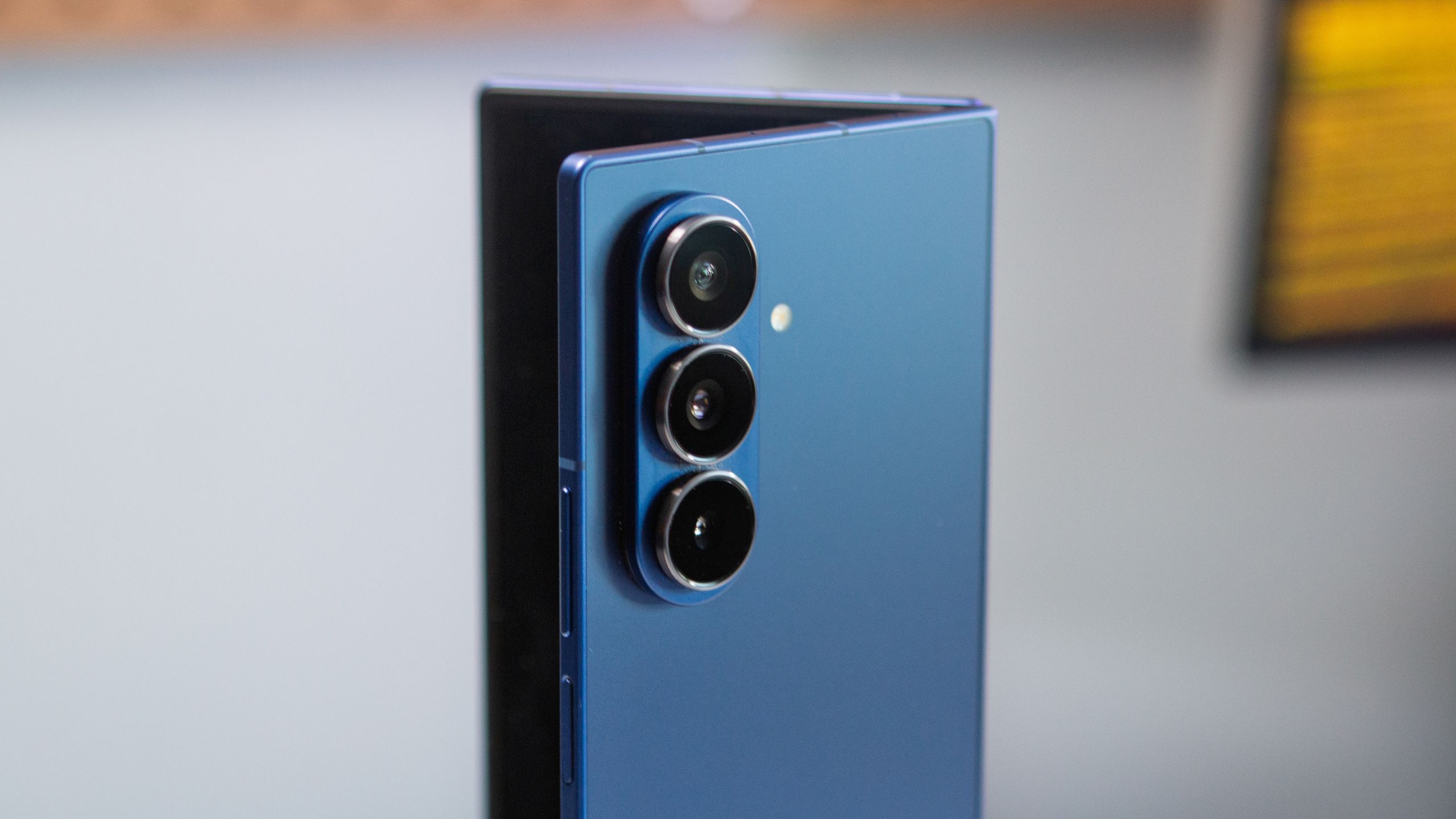
Samsung foldables are rumored to support 45W wired charging for the Galaxy Z Fold 8 and a rumored Wide Fold (up from 25W historically), while the Galaxy Z Flip 8 is listed at 25W. The Galaxy Z Fold 8 is also reported to include a larger 5000mAh battery versus 4400mAh on the Fold 7; together these changes would be the first foldable wired charging upgrade in nearly six years and could modestly improve product competitiveness. News is based on China 3C regulatory filings and remains unconfirmed, so near-term stock impact is likely limited.
Upgrading wired charging on premium foldables is less a consumer-facing headline than a supply-chain accelerant: it forces higher-current PMICs, beefed-up thermal solutions, and revised cell form factors from pouch-cell vendors. Expect meaningful aftermarket demand for higher-spec charging bricks and GaN components as boutiques and accessory OEMs chase margin expansion; that aftermarket can add low-double-digit share to the revenue line for specialist power-IC and GaN suppliers within 6–18 months.
For component suppliers, the incremental unit value is concentrated in power-management silicon and thermal/mechanical subsystems rather than display or camera modules. That means the winners are likely to be diversified analog/PMIC players and established pouch-cell manufacturers who can scale production without requalifying designs; smaller niche suppliers or single-source sub-tier contractors face contract volatility and margin pressure as OEMs consolidate vendors.
From a demand standpoint, faster wired charging and modest battery energy increases tighten the endurance/performance tradeoff that has held some enterprise and premium consumers back; however this is an adoption catalyst with a multi-quarter runway, not an instant volume inflection. The most important downside vector is safety/regulatory friction — rapid charging at higher currents increases field failure risk and could trigger either software rollbacks or hardware recalls that would compress margins and delay revenue recognition over 3–12 months.
AI-powered research, real-time alerts, and portfolio analytics for institutional investors.
Overall Sentiment
mildly positive
Sentiment Score
0.18
