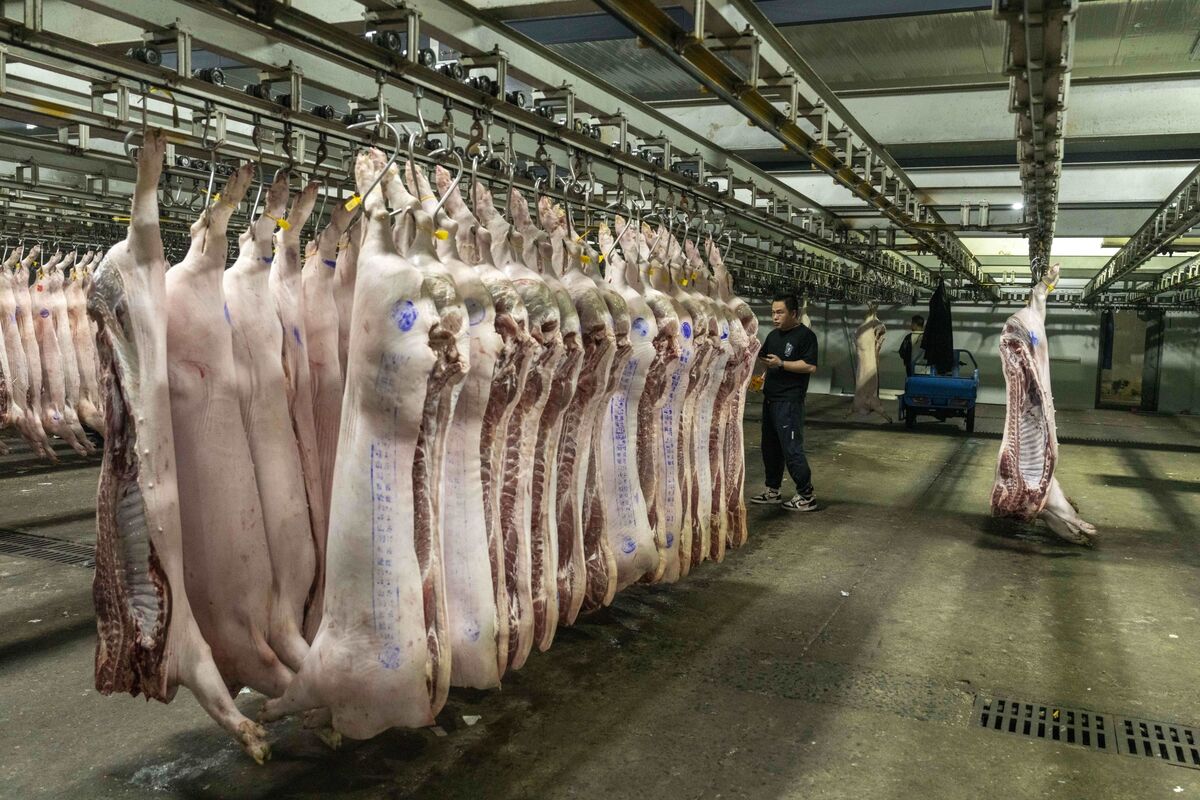
China's pork prices have fallen to an 18-month low, driven by persistent oversupply and sluggish consumer demand, with the upcoming Golden Week holiday failing to provide expected relief. This slump indicates that recent government initiatives to curb production and stabilize the market have not yet been effective, signaling ongoing challenges within the sector.
China’s wholesale pork prices have declined to their lowest point in 18 months, reflecting a significant imbalance between supply and demand. The price slump is driven by a persistent oversupply of meat, which recent government efforts to curb production have so far failed to correct. Compounding the issue is weaker-than-expected consumer consumption, with the upcoming Golden Week holiday failing to provide the anticipated seasonal demand boost. This confluence of factors points to a bleak near-term outlook for the pork sector and may also signal broader weakness in Chinese consumer sentiment and spending power.
AI-powered research, real-time alerts, and portfolio analytics for institutional investors.
Request DemoOverall Sentiment
strongly negative
Sentiment Score
-0.80
