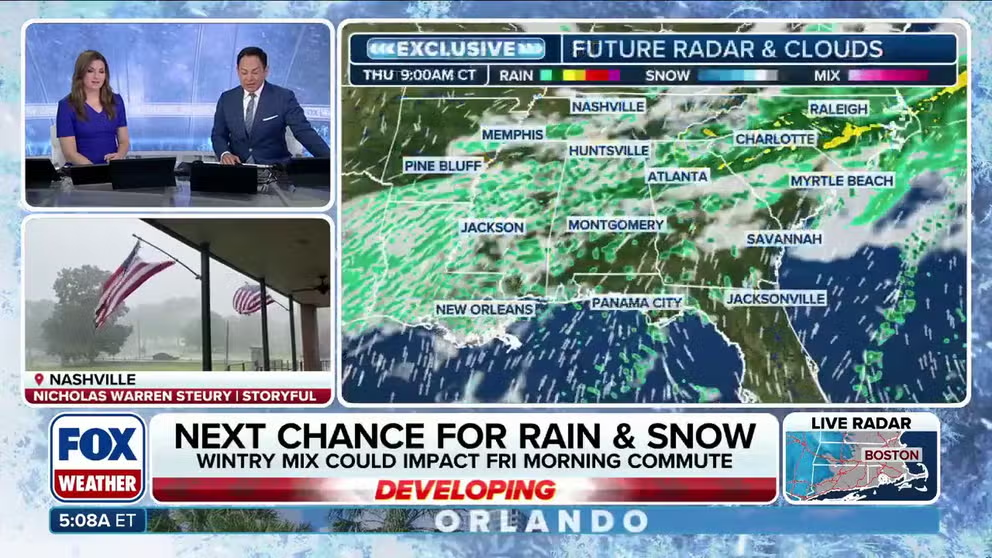
A fast-moving clipper system is bringing additional snow to parts of the interior Northeast and New England following a historic blizzard that impacted more than 40 million people over the weekend (New York City ~20 inches, Providence ~37–38 inches, Boston ~17 inches). Accumulations from the current system are expected to be limited but could hamper the morning commute and produce localized lake-effect snow; forecasters note another low-pressure system Thurs–Fri with a more southerly track likely producing rain and lighter snow across the Mid-Atlantic, implying localized short-term risks to transportation, retail foot traffic and near-term energy demand.
Market structure: Immediate winners are snow‑removal/equipment (generators, rental contractors), home‑improvement retailers and local utilities; losers are airlines, time‑sensitive logistics (UPS, FDX), and short‑haul passenger travel demand. Expect short‑term pricing power for generator makers and contractors (ability to raise spot rates for emergency services over days–weeks) while airlines incur cancelllation costs and higher short‑term labor/turnaround expenses that compress margins by an estimated few percentage points over 1–2 weeks.
Risk assessment: Tail risks include multi‑day grid failures or major coastal infrastructure damage that would push insurance losses into the low‑single‑digit percentages of insurers’ market caps and force muni borrowing; regulatory inquiries into preparedness could impose near‑term capex mandates on utilities (3–12 months). Immediate (0–7 days) impacts are travel and logistics; short term (weeks–months) are insurance loss recognition and energy demand swings; long term (quarters) are municipal budget reallocation and higher recurring spending on resiliency.
Trade implications: Expect front‑month natural gas and regional power forwards to spike on cold snaps — buy short‑dated bullish exposure and hedge with capped call spreads; airlines and logistics will see p/airline IV rise, creating options premium‑selling opportunities. Retail/home improvement and emergency services should see a 5–20% revenue boost in the next 4–12 weeks; consider relative longs in these names versus short travel/logistics.
Contrarian angles: Market consensus will over‑discount localized nature of losses — insurers and national carriers are diversified so permanent damage may be limited, creating short‑term mispricings. Historical parallels (post‑big‑snow rebounds in equities) show 1–3 week mean reversion in impacted airline/logistics names; second‑order beneficiaries (construction equipment, heavy contractors) are underowned and could outperform into Q2 as municipalities restart capex.
AI-powered research, real-time alerts, and portfolio analytics for institutional investors.
Request DemoOverall Sentiment
mildly negative
Sentiment Score
-0.25
