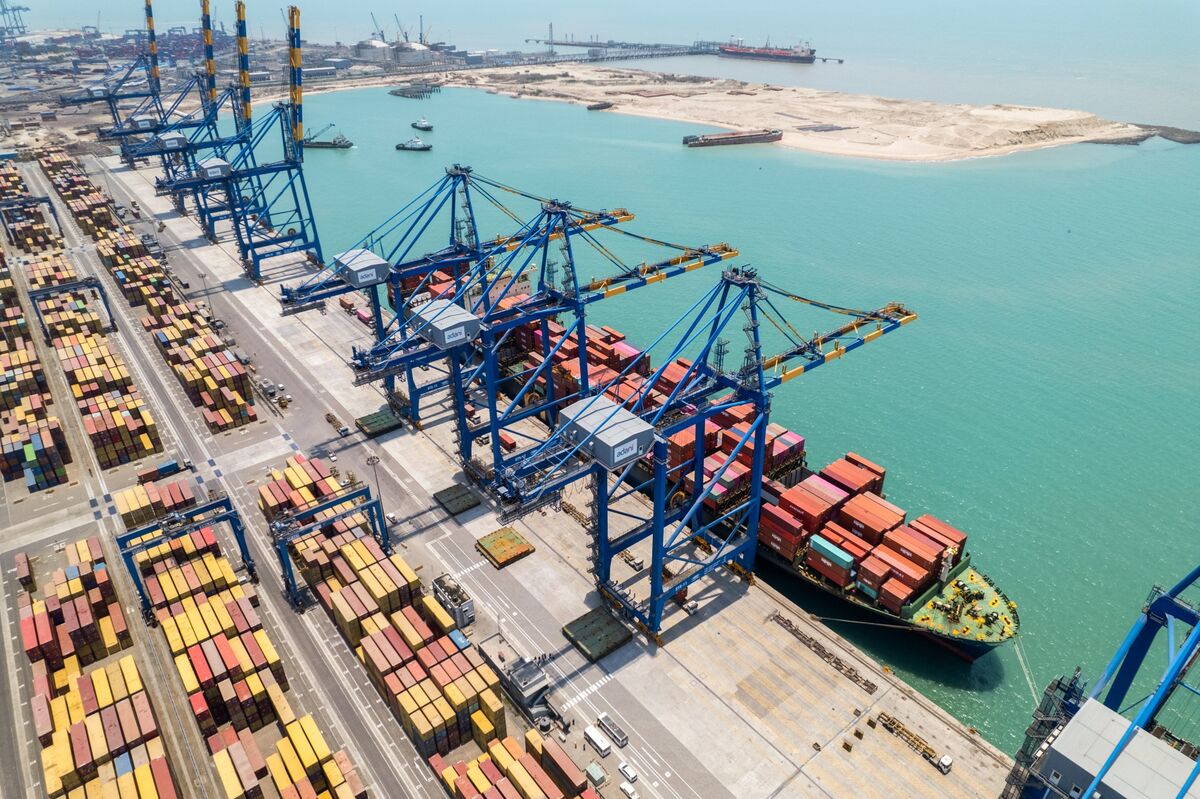
India's finance ministry stated that a successful trade agreement with the U.S. could mitigate external risks and boost exports, potentially turning current economic headwinds into tailwinds. The ministry's monthly economic review highlights the risk of renewed trade barriers as a key external vulnerability for the South Asian country, underscoring the importance of progressing trade talks with the U.S.
India's finance ministry, in its recent monthly economic review, has emphasized the significant potential of a successful trade agreement with the United States to mitigate external risks and stimulate the nation's export performance. The ministry articulates that such a deal could effectively convert prevailing economic 'headwinds into tailwinds,' signaling a substantial positive impact. A key concern highlighted is the 'risk of renewed trade barriers,' which is identified as a 'key external vulnerability' for India. This underscores the government's strategic intent to accelerate negotiations and achieve an interim agreement, reflecting a proactive stance to bolster economic stability and growth prospects amidst global trade uncertainties. The moderately positive sentiment and optimistic tone surrounding this potential agreement, coupled with a moderate market impact score, suggest that developments in these trade talks are being closely watched for their implications on India's economic trajectory within the emerging markets landscape, particularly concerning trade policy and tariff structures.
AI-powered research, real-time alerts, and portfolio analytics for institutional investors.
Request DemoOverall Sentiment
moderately positive
Sentiment Score
0.50
