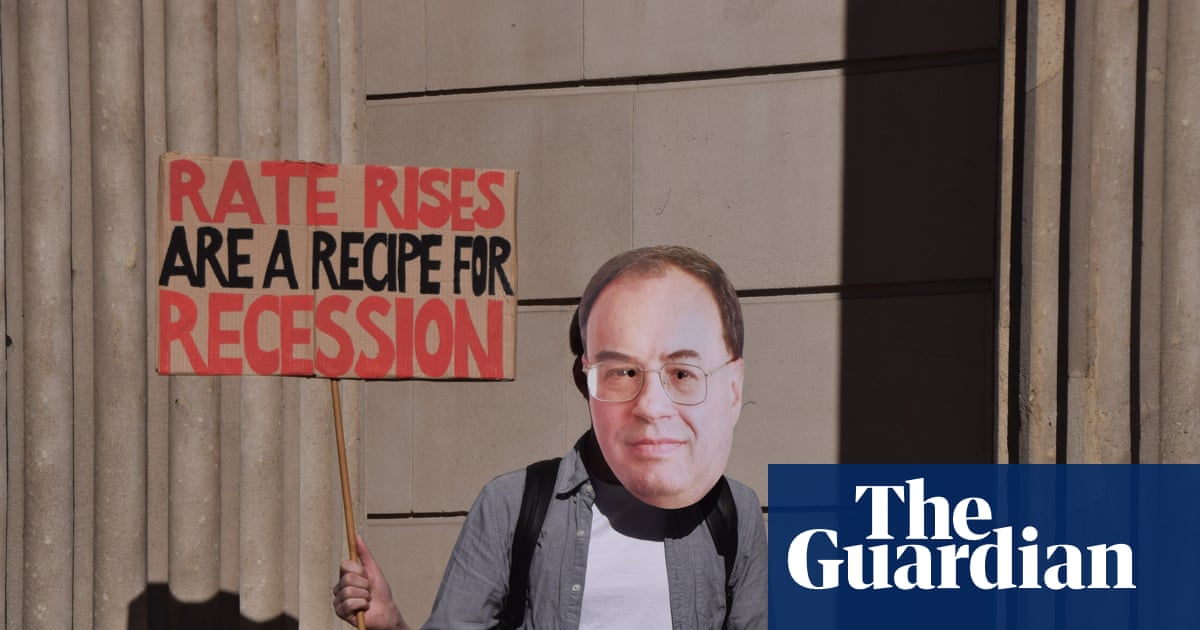
The Bank of England held rates at 3.75% in an 8-1 vote, but warned that higher inflation may be unavoidable if Middle East energy shocks persist. Under its worst-case scenario, oil above $130 a barrel could push inflation to 6% by early 2027 and force rates up to 5.25%. The ECB also held at 2% while flagging intensified inflation and growth risks from the Iran war, underscoring a broader market-wide policy shift toward caution.
The first-order move is not simply “higher-for-longer” rates; it is a repricing of the UK growth/inflation mix that hits domestically leveraged assets hardest. A sustained energy shock compresses real incomes faster than policy can offset, so the near-term winner is upstream energy-linked cash flows and the loser is UK consumer discretionary, small-cap cyclicals, and rate-sensitive domestic housing activity. The second-order issue is margin pressure: firms with weak pricing power and heavy UK input costs will get squeezed twice—higher logistics/utility bills and softer end-demand—before wage inflation even becomes the main story. The more interesting setup is duration. Markets are currently discounting a shallow path of cuts, but the Bank’s own “active hold” framing creates asymmetric risk of a hawkish re-pricing if energy stays elevated for another 1-2 data prints. That matters for the front end of the gilt curve and sterling: even without immediate hikes, higher terminal-rate odds should keep 2Y yields sticky and cap relief rallies in GBP-sensitive domestically oriented equities. Conversely, if the war de-escalates quickly, the move lower in rates could be abrupt because positioning is still aligned with easing rather than tightening. The contrarian miss is that inflation may prove stickier on the goods and food side than the market expects, even if headline energy rolls over. Food inflation lags energy by quarters, so the consumer squeeze can worsen after oil peaks, extending the demand hit into late 2025. That argues for avoiding early-cycle UK beta and preferring relative value expressions where the macro impulse can be monetized quickly rather than waiting for a full recession trade.
AI-powered research, real-time alerts, and portfolio analytics for institutional investors.
Overall Sentiment
moderately negative
Sentiment Score
-0.35
