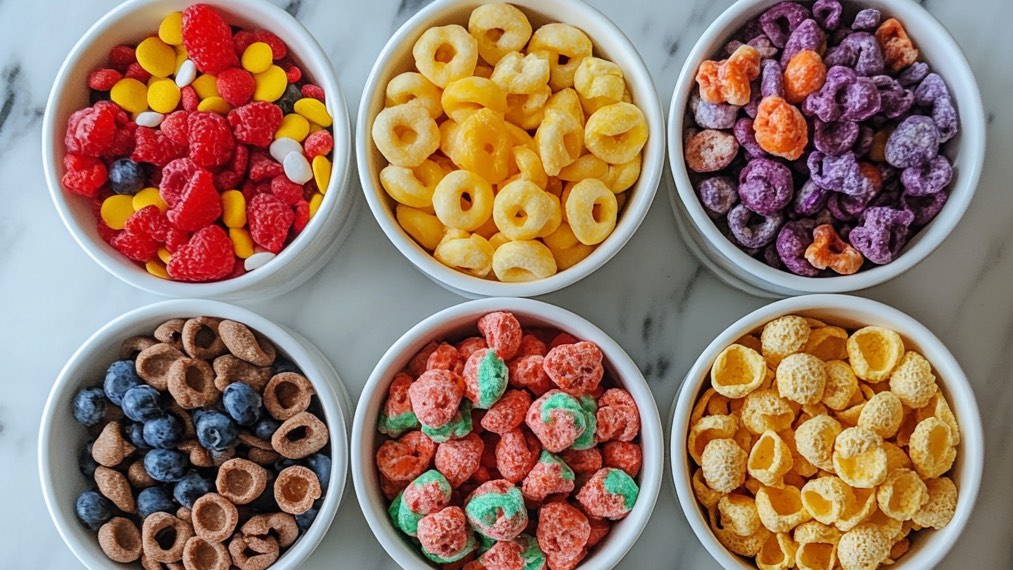
A recent study analyzing U.S. children's cereal product launches from 2010-2023 reveals a significant increase in fat (33.6%) and sodium (32.1%) levels, alongside an approximate 11% increase in sugar, while protein and fiber content have declined. These nutritional shifts, particularly concerning given ready-to-eat cereals' popularity among children, raise public health concerns about childhood obesity and long-term health risks, prompting calls for stricter marketing standards and clearer labeling.
A study analyzing 1,200 U.S. children's cereal product launches between 2010 and 2023, sourced from the Mintel Global New Products Database, reveals a significant deterioration in nutritional quality. Fat content in these new cereals, marketed to children aged 5 to 12, increased by 33.6%, from an average of 1.13 grams per serving in 2010 to 1.51 grams in 2023. Sodium levels rose by 32.1%, averaging over 200 mg per serving in 2023. While total carbohydrates remained stable, sugar content showed an approximate 11% increase, with single servings of many cereals exceeding 45% of the American Heart Association’s recommended daily sugar intake for children. Concurrently, protein content dropped by 2023, and dietary fiber decreased by nearly 1 gram per serving between 2021 and 2023. These nutritional shifts are attributed by the study's authors to a commercial trend prioritizing taste and shelf appeal, raising public health concerns about long-term risks such as childhood obesity, diabetes, and heart disease. Although the study focuses on new product introductions and not the entire market, it provides critical insight into potential industry trends, leading to calls from advocates for stricter marketing standards and clearer labeling for children's products.
AI-powered research, real-time alerts, and portfolio analytics for institutional investors.
Overall Sentiment
Negative
Sentiment Score
-0.50
