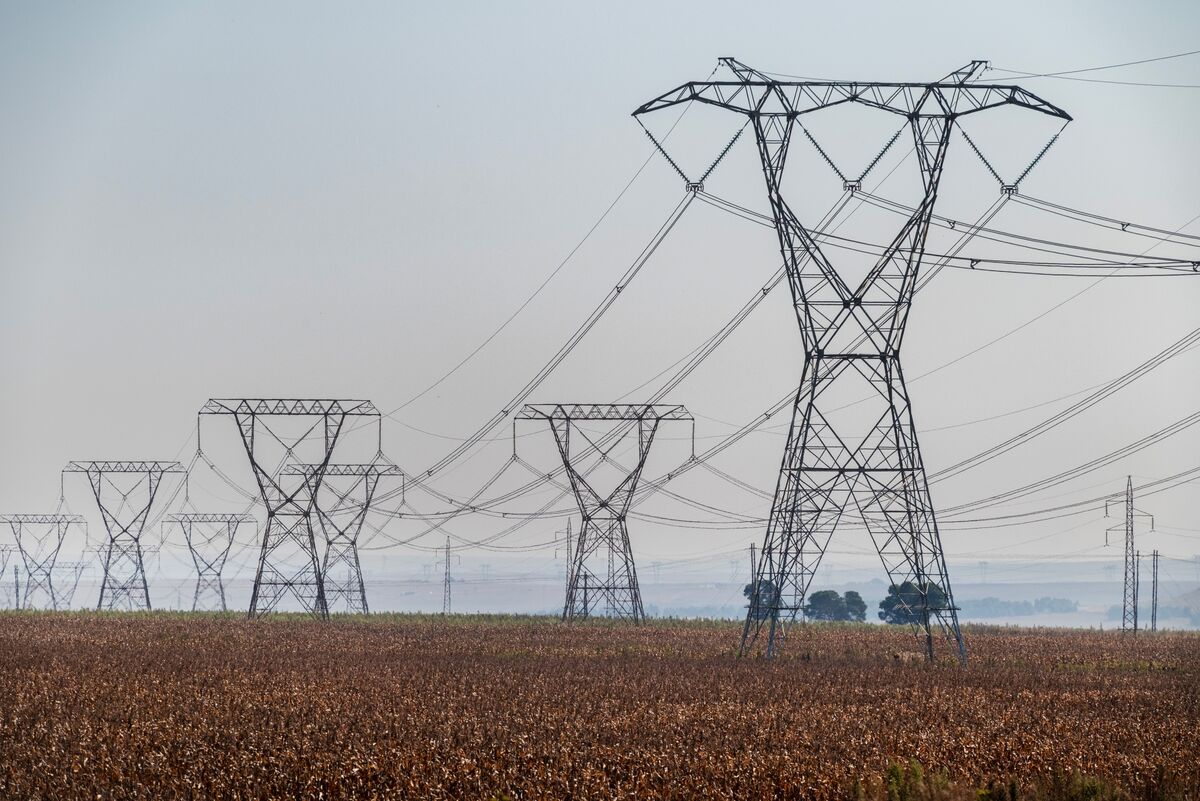
Global power consumption rose 3% last year, with electricity demand growing about 2.3 times faster than total energy demand, according to the IEA. Demand from EVs jumped 38% and data center demand rose 17%, though industry, household appliances and commercial buildings remained the main growth drivers. The report is broadly neutral but highlights structurally stronger electricity demand tied to EVs and data centers.
The second-order read-through is not just “more electricity,” but a more persistent demand floor for baseload generation and grid-capacity buildout. AI/data-center load is unusually sticky and high-availability, which pushes utilities and generators to favor dispatchable assets, transmission upgrades, and behind-the-meter power solutions over purely marginal renewables exposure. That shifts bargaining power toward gas-fired generation, grid equipment, and power-management software, while exposing areas of the market that assumed load growth would remain slow and predictable. The EV component matters less as a direct auto-sales signal and more as a load-distribution issue: charging growth increases stress on local grids, which creates a near-term capex supercycle for transformers, switchgear, and distribution infrastructure. The biggest beneficiaries may be the unglamorous bottlenecks—interconnectors, transformers, power semis, and utility-scale battery integrators—because they monetize the constraint, not the headline demand. Conversely, power-intensive industrials and commercial users can face higher tariff pressure if utilities are allowed to pass through the costs of capacity expansion. The main risk is that consensus extrapolates the demand trend but underestimates supply response and policy lag. If gas prices stay contained or if hyperscalers increasingly self-generate, the incremental upside to merchant power can flatten within 6-12 months even as capex names keep working. A softer macro backdrop would also hit industrial and household demand, leaving data centers as the only durable growth leg and making the market too optimistic on the breadth of the cycle. Contrarian view: the market may be over-owned in long-duration “AI power” themes, but under-owned in the picks-and-shovels enablers that actually clear the bottleneck. The cleanest expression is not broad renewable beta; it is the equipment and grid stack where lead times, pricing power, and backlog visibility are improving fastest. The opportunity is to buy the constraint and fade the perceived beneficiaries that need perfect policy and financing conditions to scale.
AI-powered research, real-time alerts, and portfolio analytics for institutional investors.
Request DemoOverall Sentiment
neutral
Sentiment Score
0.10
