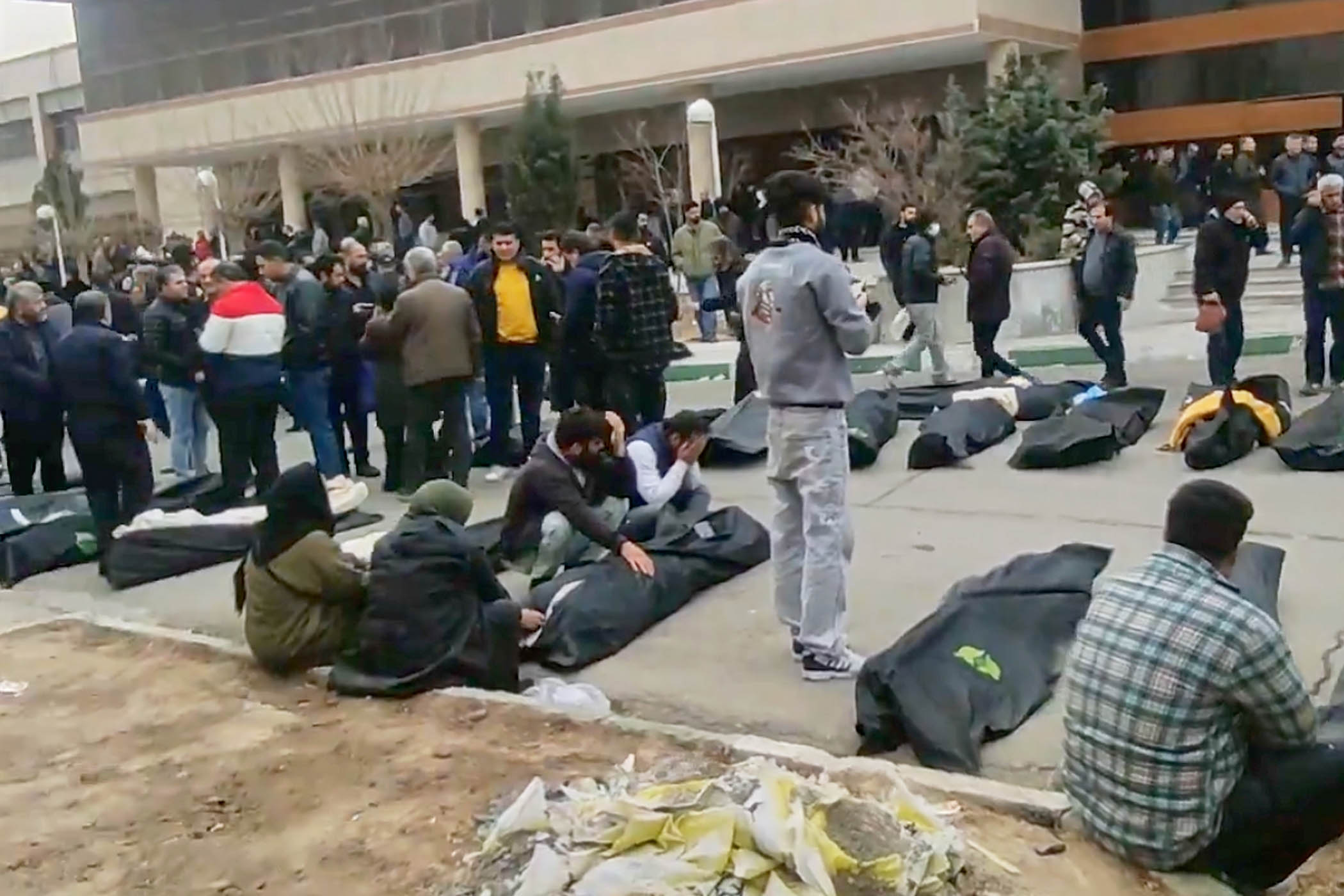
Iranian authorities are reportedly suppressing evidence of a massive crackdown on nationwide protests, with rights-monitoring sources and a Munich-based statistician projecting a likely death toll around 33,000 and human-rights groups saying more than 30,000 may have died; over 40,000 demonstrators are believed detained amid an internet blackout. The piece notes arrests of medical staff, coercive practices (including a reported 'bullet fee' of 700m tomans), forced confessions and state threats of executions, while the U.S. has deployed a naval armada and President Trump has threatened strikes, raising the risk of military escalation. For investors, the episode elevates geopolitical and regional-risk premia—bearing potential upside pressure on energy prices, contagion risks for emerging-market exposure and increased tail-risk for portfolios with Middle East sensitivities.
Market structure: Immediate winners are defense contractors (LMT, NOC, RTX), integrated oil majors (XOM, CVX) and safe-havens (GLD, USTs); losers are EM equities, regional airlines/cruise names and insurers/shippers due to higher war-risk premia. Expect 5–15% near-term repricing: Brent could spike +5–15% on headline risk, defense suppliers can see 5–20% backlog re-rating over 3–12 months, while EM FX and local sovereigns weaken 3–8%.
Risk assessment: Tail scenarios include a US strike or closure of the Strait of Hormuz (tail probability 3–8%) causing Brent to $120–150 and global oil shock; nuclear escalation is low-probability but systemic. Time horizons: immediate (days) = volatility/VIX up, equities down; short-term (weeks–months) = oil/defense bid, EM outflows and credit spread widening 25–75bps; long-term (quarters/years) = higher defense budgets and possible persistent shipping/insurance cost inflation.
Trade implications: Use asymmetric trades — hedge equity beta now, add energy/defense exposures tactically, and buy gold/Treasuries as insurance. Options/volatility trades (30–90 day) are efficient for short spikes; pair trades (energy long vs travel/EM short) capture relative dislocations. Entry: hedge immediately; add directional positions on confirmed headlines or a 5–12% move in Brent/VIX; trim on 20–30% position gains or when Brent falls >10% from peak.
Contrarian angles: Markets may overstate permanent Iranian supply loss — Iran’s export capacity is constrained by sanctions (realistic impact <3 mbpd). Historical parallels (2019 tanker attacks, 1990 Gulf crisis) show 4–12 week price spikes then mean-reversion; SPR releases or OPEC+ spare capacity can cap upside, creating opportunities to sell momentum after a 25%+ rally.
AI-powered research, real-time alerts, and portfolio analytics for institutional investors.
Request DemoOverall Sentiment
strongly negative
Sentiment Score
-0.75
