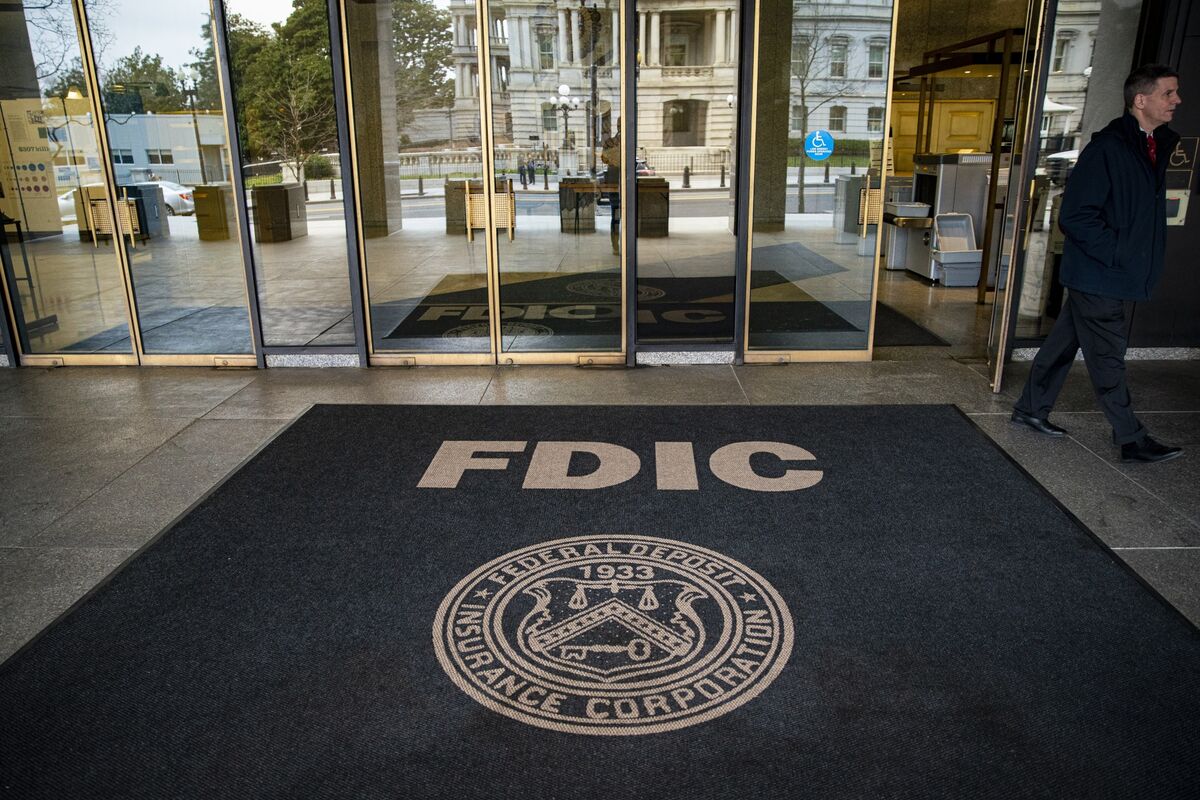
The FDIC, Federal Reserve and OCC finalized changes to the enhanced supplementary leverage ratio, easing capital requirements for the largest U.S. banks such as Bank of America, JPMorgan Chase and Goldman Sachs. The adjustment is designed to let banks hold less capital relative to total assets and reduce balance-sheet constraints that have limited their ability to intermediate the Treasury market during periods of stress, with implications for bank profitability and Treasury market liquidity.
Market structure: The largest dealers (JPM, GS, BAC) are clear winners — capital relief frees balance-sheet capacity to warehouse Treasuries during quarter-end or stress, reducing bid-ask spreads and term-premium pressure. Expect dealer-held inventory to rise by billions in stressed windows, shifting market share away from smaller broker-dealers and some hedge-fund prime brokers and compressing liquidity premia (esp. off-the-run). Cross-asset: lower Treasury microstructure friction should depress UST vols, tighten corporate credit spreads modestly, reduce demand for USD-haven flows and modestly support risk assets.
Risk assessment: Tail risks include political/regulatory backlash, a later tightening of capital rules, or a shock that crystallizes concentrated dealer losses — any of which would reprice bank equity by 20-40%. Immediate (days) reaction = risk-on; short-term (weeks–3 months) = improved dealer intermediation and lower Treasury vol; long-term (quarters–years) = higher systemic concentration and moral-hazard risk. Hidden dependency: benefits assume stable repo/secured funding; a funding shock negates the relief quickly.
Trade implications: Favor long large-cap dealers and duration — expect 3–12 month alpha from BAC/JPM/GS and 7–10yr Treasuries if term-premium falls. Implement size-controlled equity exposures and option overlays (3–6 month call spreads) to capture rerating while capping drawdowns. Pair trades: long top dealers vs short regional bank beta/ETFs to express market-share gains and lower capital strain.
Contrarian angles: Consensus underprices political/regulatory reversal risk and concentration externalities; the initial rally may be underdone for GS (higher underwriting/market-making leverage) but overdone for regionals. Historical parallels (post-crisis capital relief cycles) show temporary relief can amplify risk-taking and lead to larger drawdowns later; mandatory hedges (puts on bank indices) are warranted sized to 25–50% of net long exposure.
AI-powered research, real-time alerts, and portfolio analytics for institutional investors.
Request DemoOverall Sentiment
mildly positive
Sentiment Score
0.32
Ticker Sentiment
