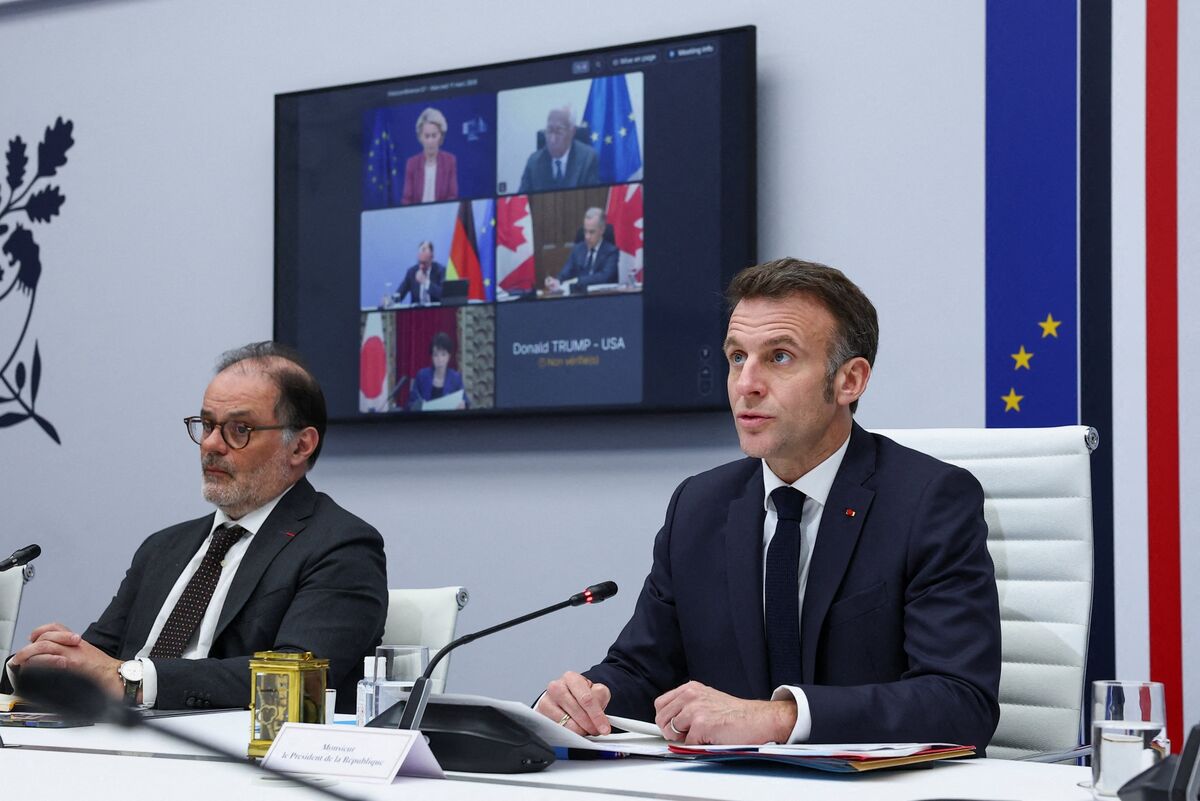
French Socialist lawmakers plan to oppose Emmanuel Macron’s nominee Emmanuel Moulin as Bank of France governor, creating a political hurdle for the president. The dispute raises uncertainty over the leadership composition of the Bank of France and, by extension, the ECB Governing Council. The issue is politically meaningful but does not imply an immediate policy shift.
This is less a macro story than a governance-risk signal for euro area rates. The Bank of France seat matters because it is one of the few pathways for Paris to shape ECB dynamics over a multi-year horizon; a politically contested appointment increases the odds of a less predictable French voice at a time when fiscal slippage and bond-market scrutiny are already rising. The immediate market impact is likely modest, but the second-order effect is a wider France-specific term premium if investors start pricing institutional friction into policy coordination.
For losers, the obvious risk is French sovereign duration and domestic financials with large OAT holdings. Even a small widening in OAT-Bund spreads can matter because bank funding and collateral haircuts are nonlinear once the spread regime shifts; that tends to show up first in the long end, then in bank beta. The more subtle beneficiary is ECB independence: if the nominee battle becomes messy, Frankfurt can lean harder into technocratic credibility, which ironically may reduce the probability of any near-term dovish tilt that markets might have hoped a Macron-aligned governor would support.
Catalysts are political, not economic, and the horizon is days to months. A clean confirmation would quickly remove the headline overhang, but a prolonged standoff into the summer would encourage foreign investors to demand a higher risk premium on French assets, especially if it coincides with renewed deficit headlines. The tail risk is not a sudden crisis; it's a slow repricing where France underperforms as a quasi-core borrower without fully moving to periphery status.
The consensus may be underestimating how much of this is about succession after 2027, not today’s policy path. If the appointee is viewed as durable beyond Macron’s term, opposition from both flanks suggests the market should assign a higher probability to future institutional conflict rather than a one-off confirmation fight.
AI-powered research, real-time alerts, and portfolio analytics for institutional investors.
Request DemoOverall Sentiment
mildly negative
Sentiment Score
-0.25
