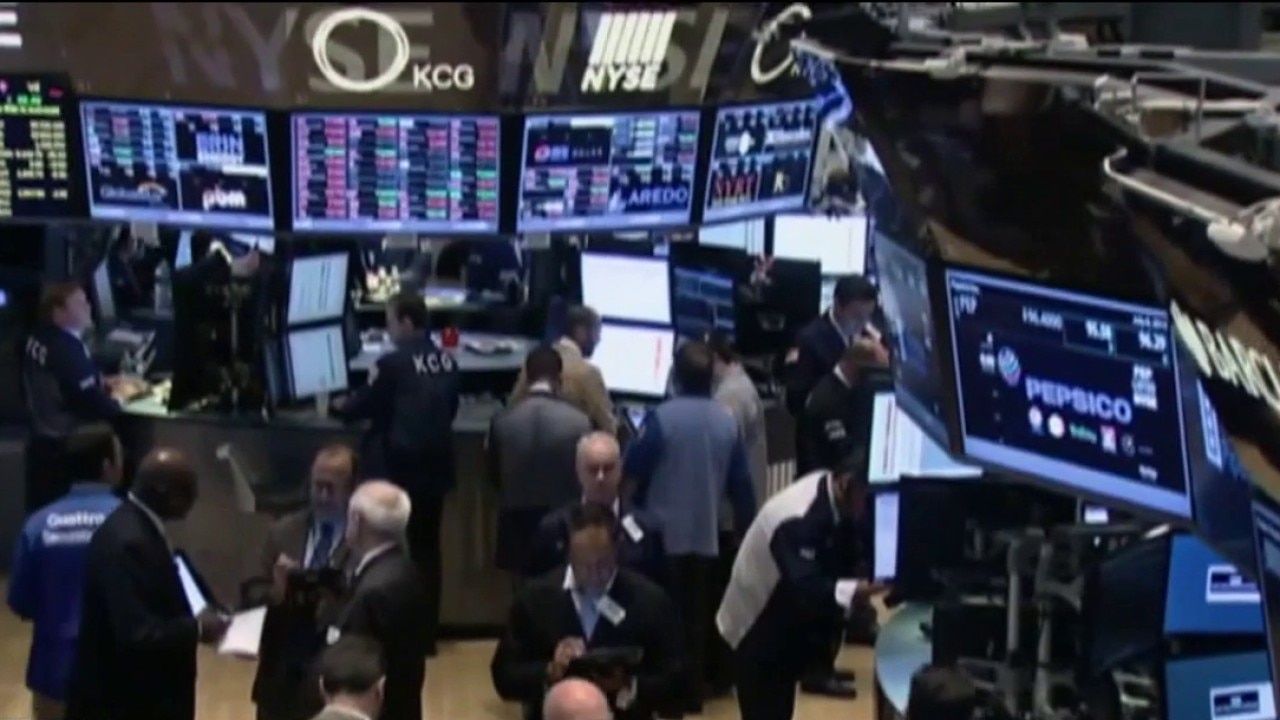
Equity markets sold off on AI-related fears, with the NASDAQ down about 2% and the Dow and S&P also posting notable declines as investors weigh the prospect of a tech-driven correction. Labor data showing 130,000 new jobs that lowered unemployment from 4.4% to 4.3% has raised doubts about the timing of Fed rate cuts, and prospects of higher CPI could further delay easing. Analysts warn an AI-focused shakeout could be more severe than the dot-com crash given large incumbents' heavy exposure, while some lenders report rising mortgage approvals pointing to potential housing demand pickup.
Market structure: The immediate move is a rotation from speculative small-cap AI exposure into large-cap AI infrastructure and interest-rate sensitive sectors. Winners: semiconductor fabs, cloud providers, and enterprise software with sticky revenue (e.g., NVDA, MSFT, GOOGL) which capture scale advantages; losers: subscale AI pure-plays and early monetizers (ARKK-like names) that lack durable moats. Expect increased concentration at the top: top 5–10 names could capture +30–50% of incremental AI spend over 12–24 months, pressuring pricing power for smaller vendors.
Risk assessment: Tail risks include a regulatory clampdown (10–25% probability over 12–24 months) and an operational AI failure or major safety incident that triggers reputational/contract losses. Near term (days–weeks) volatility will be driven by macro data (CPI this Friday) and payroll credibility; medium term (3–9 months) by earnings cadence and capex announcements; long term (1–3 years) by adoption curves and regulation. Hidden dependencies: small-cap credits and regional banks tied to CRE/housing could suffer if unemployment or rates reaccelerate.
Trade implications: Tactical defensive posture — buy deep-moat AI infrastructure, hedge beta with index puts, and short levered/small-cap AI proxies. Cross-asset: expect upward pressure on 10y yields if jobs remain strong (move toward 3.5–4.0% range), supporting financials and dollar strength while weighing on REITs and long-duration tech. Use options to buy time (3–6 month protection) and sell premium on names with stretched IV skew among speculative issuers.
Contrarian angle: Consensus fears of a dot-com repeat ignore higher revenue visibility and gross margins at today's AI leaders; downside is concentrated but not universal. Reaction appears partly overdone in small-cap AI exposures — a disciplined reallocation into profitable AI enablers on 10–25% pullbacks may offer 3x+ risk/reward over 12–24 months. Watch for catalyst windows (earnings, Fed commentary, CPI) to harvest volatility and reweight exposures.
AI-powered research, real-time alerts, and portfolio analytics for institutional investors.
Request DemoOverall Sentiment
moderately negative
Sentiment Score
-0.45
