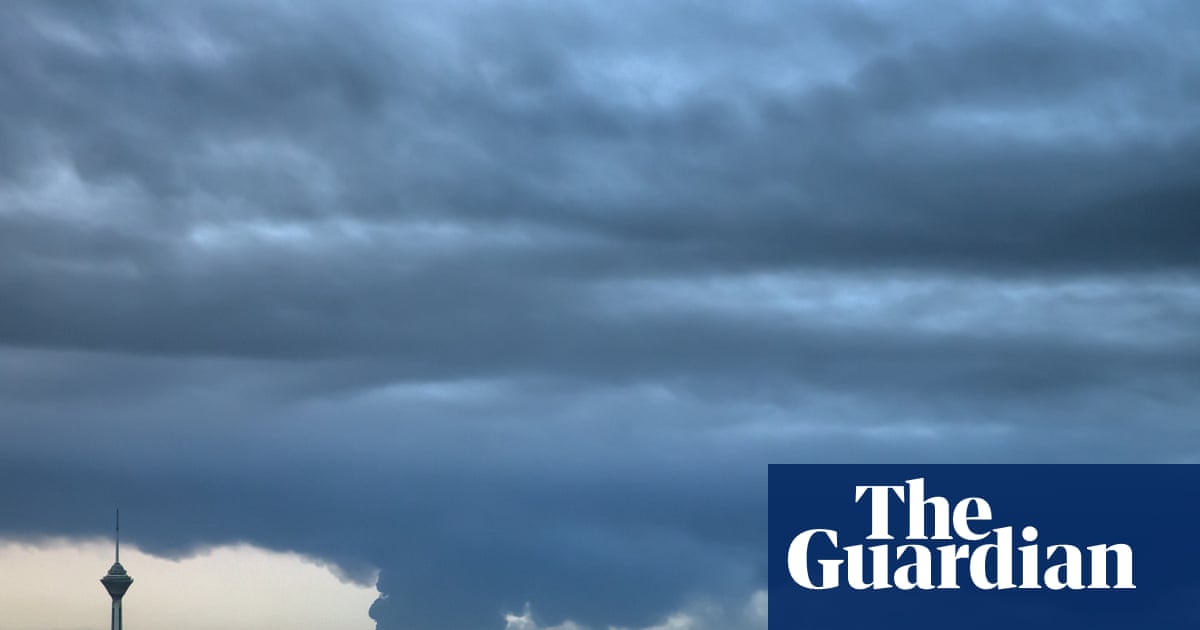
Four fuel facilities in and around Tehran were struck on 7 March, with satellite imagery showing fires still burning or smouldering up to 10 days later and fallout affecting millions of residents. WHO and UNEP warn of immediate and long-term health risks (respiratory illness, cardiovascular disease, cancer) and potential contamination of food and water; environmental damage may persist and leach into soil and groundwater. Related strikes (including on Fujairah port and shipping) raise regional energy-security and shipping-risk concerns that could add a material risk premium to Gulf oil logistics and insurance; monitor oil price and freight/insurance volatility and any export disruptions.
Immediate market effects will be concentrated in regional refined-product spreads and maritime risk premia. Expect heavy-fuel/kerosene regional crack volatility over the next days–weeks as import flows and bunker demand re-route; a realistic scenario is a localized 5–15% widening in product spreads before alternative supply lines and insurance cover are arranged. Freight and tanker time-charter rates can spike in parallel as owners demand war-risk premiums for Iran-adjacent lanes, creating a near-term boost to shipping earnings and volatility in VLCC/AFRA-linked equities.
Insurance and risk-transfer markets are the second-order winners from sustained strikes and contamination: broking volumes and war-risk placements are paid up-front and can reprice in 1–3 quarters, while reinsurers face more immediate claim uncertainty. If UNEP/WHO attribution and domestic damage estimates scale, expect a re-rating in specialty insurance and broking (higher top-line growth for brokers; higher loss variability for reinsurers) that will show through in upcoming renewal cycles. Defense contractors and security services are a slower-moving beneficiary — contract pipelines and contingency-capex decisions typically take 3–12 months to materialize but carry multiyear revenue visibility once awarded.
Public-health and infrastructure knock-on effects create durable, multi-year demand for water-treatment, soil remediation and industrial-cleaning services, with capex cycles measured in quarters to years. The main reversal path is rapid diplomatic de-escalation or a cheap, large external supply intervention (fuel shipments and insurance guarantees) that restores normal trade within weeks; absent that, political instability and higher risk premia can persist and transmit to regional energy and commodity prices for quarters to years.
AI-powered research, real-time alerts, and portfolio analytics for institutional investors.
Request DemoOverall Sentiment
strongly negative
Sentiment Score
-0.75
