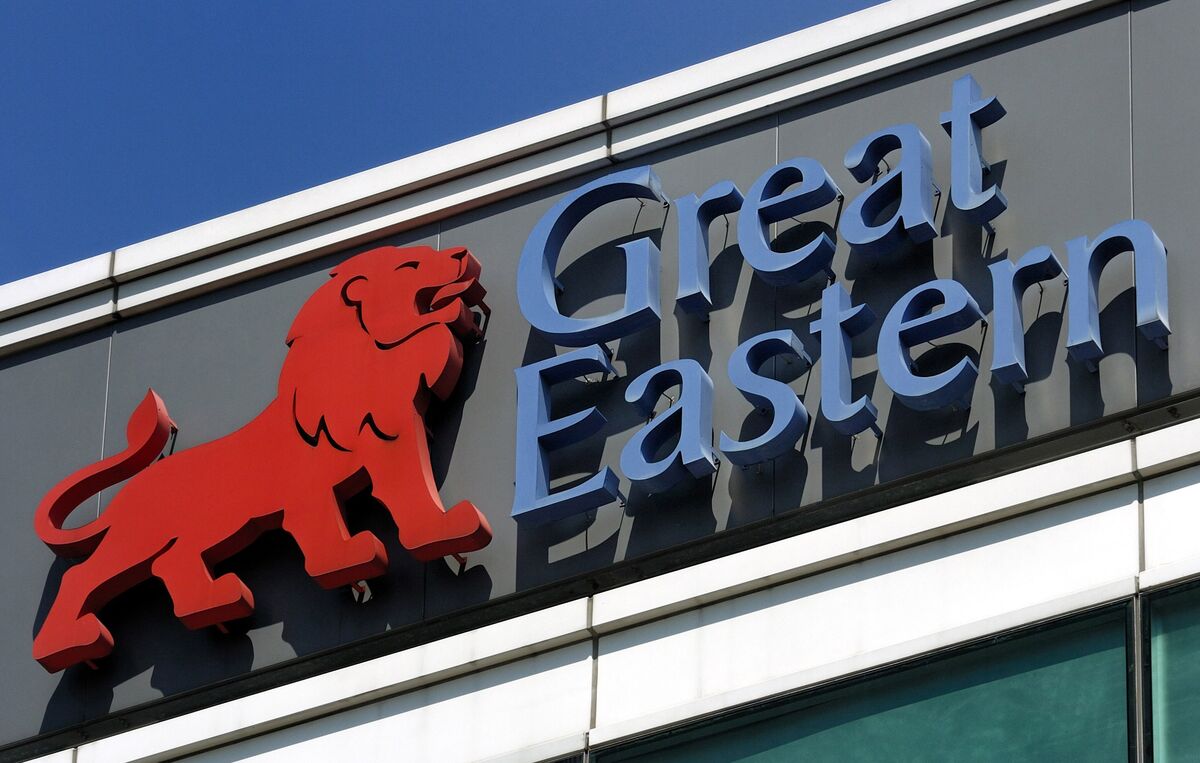
Great Eastern Holdings Ltd. shares will resume trading in Singapore after its delisting bid, backed by Oversea-Chinese Banking Corp. (OCBC), failed to secure the necessary 75% minority shareholder approval, achieving only 63.5% support. This outcome means the insurer will remain publicly traded, signaling a significant block of minority shareholders resisted OCBC's privatization attempt.
Great Eastern Holdings Ltd.'s plan to delist from the Singapore exchange, a move supported by its parent Oversea-Chinese Banking Corp. (OCBC), has failed to materialize. The bid fell short of the required 75% approval from minority shareholders, securing only 63.5% support. This outcome signifies a material rejection of the privatization offer by a substantial portion of the minority investor base, suggesting a disconnect between the offer's valuation and the shareholders' perception of the insurer's intrinsic value. As a direct consequence, Great Eastern will remain a publicly listed entity and its shares will resume trading. For OCBC, this represents a strategic setback in its M&A and restructuring efforts, as reflected by the negative sentiment signal (-0.3) associated with the bank. The failure to take Great Eastern private prevents OCBC from fully consolidating the insurer and may necessitate a re-evaluation of its strategy concerning its significant holding.
AI-powered research, real-time alerts, and portfolio analytics for institutional investors.
Request DemoOverall Sentiment
mixed
Sentiment Score
0.00
Ticker Sentiment
