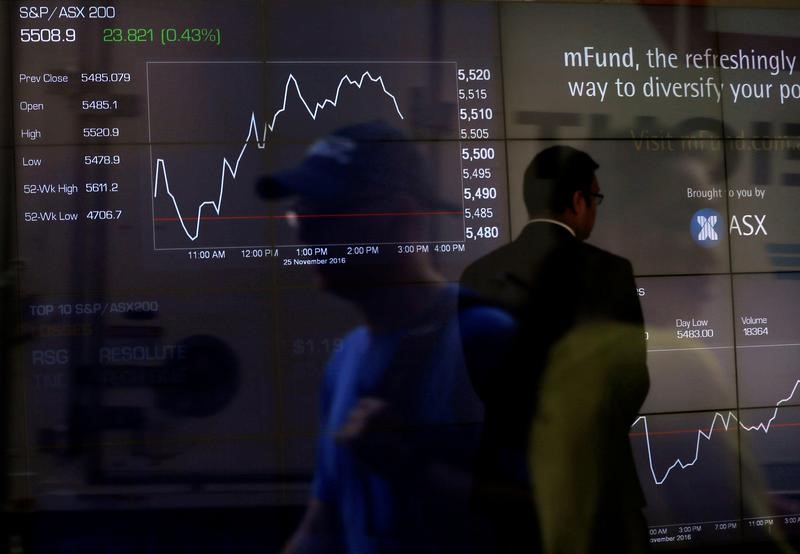
S&P/ASX 200 rose 2.55% to a 1-month high after news that Trump suspended strikes on Iran for two weeks and Tehran tentatively accepted a ceasefire, driving risk-on flows; rising stocks outnumbered decliners 938 to 269. Commodity moves were large: Gold futures +2.79% to $4,864.09/oz, May WTI crude fell 16.15% to $94.71/bbl and June Brent fell 15.01% to $92.87/bbl. Volatility eased as the S&P/ASX 200 VIX dropped 3.00% to 15.92; AUD/USD jumped 1.46% to 0.71 and AUD/JPY rose to 111.80. Top ASX performers included ZIP +19.76% (A$2.00), TPW +14.07% (A$7.70) and GGP +13.70% (A$15.19), while DROID -14.54% (A$3.41), WDS -10.67% (A$31.98) and NHC -9.57% (A$5.29) lagged.
The ceasefire window removed a sizable geopolitical risk premium from energy and FX markets, producing a classic volatility squeeze that amplified directional moves across commodities and ASX-listed cyclicals. Because many energy and LNG netbacks in Asia are indexed to oil on multi-month lags, the equity reaction is outsized relative to near-term cashflow changes — sell-side positioning and leveraged quant funds amplify that mechanical overshoot. Currency flows (AUD bid) and lower implied vol create a brief tailwind for risk assets, but the persistence of the move depends on fundamentals that adjust much more slowly than headline risk sentiment.
From a competitive-dynamics perspective, high-quality LNG producers with long-term offtake are less economically damaged by a temporary oil repricing than explorers and services whose cashflow is spot-sensitive and capex-linked. Downstream consumers and energy-intensive miners gain margin relief, but exporters whose revenues are USD-denominated face AUD FX headwinds that blunt the benefit; the mismatch creates fertile pair-trade opportunities across the ASX energy/mining complex. Insurance and shipping-cost dislocations that priced in higher risk will unwind gradually, offering a multi-week window where operational cost declines improve near-term EBITDA for industrials.
Key catalysts to watch are (1) re-escalation via proxy attacks inside the 14-day window, (2) OPEC+/inventory signals and SPR actions within 2–6 weeks, and (3) flows out of volatility products that can re-introduce rapid mean reversion. The most likely reversal trigger is a single high-impact incident — not a steady deterioration — so traded hedges should favor asymmetric, time-boxed payoffs. Position sizing should assume elevated tail risk despite the relief rally: convex option structures and short-duration equity exposure are preferred over naked long-duration bets.
AI-powered research, real-time alerts, and portfolio analytics for institutional investors.
Request DemoOverall Sentiment
mildly positive
Sentiment Score
0.22
Ticker Sentiment
