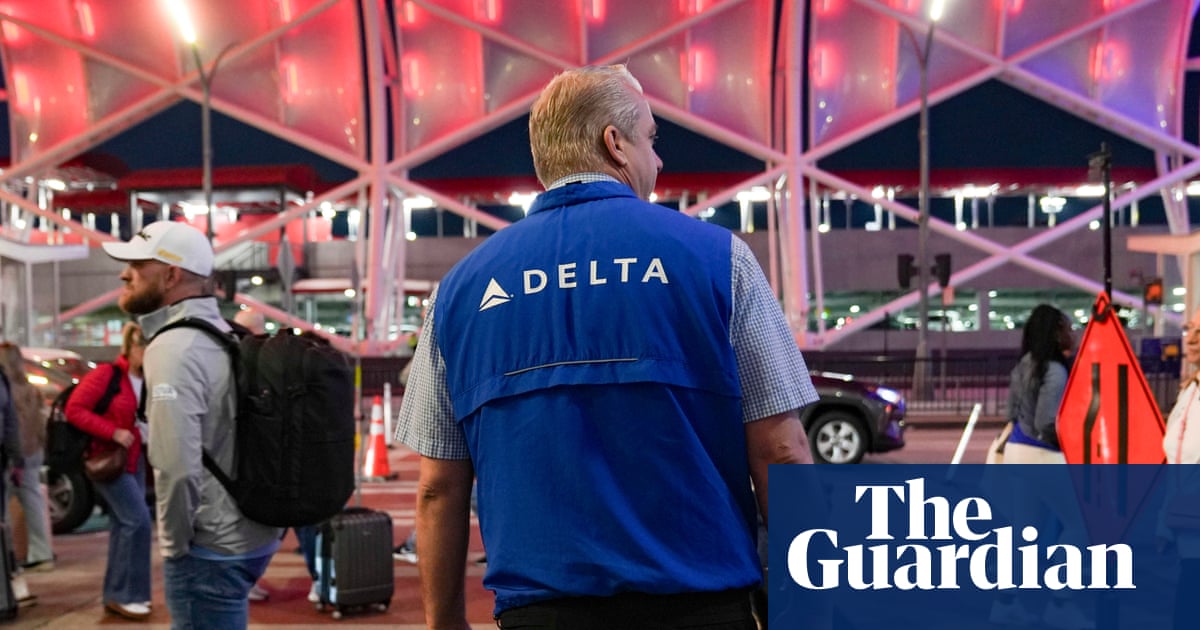
Delta forecast revenue growth of 10% as strong passenger demand persists, but rising fuel pushed an additional $330m in costs so far and management projects about $2.0bn more in fuel expense in the current quarter. Brent crude fell from ~$110/bbl to under $95/bbl after a ceasefire announcement but remains roughly $20/bbl above pre-conflict levels, sustaining cost pressure and prompting hints that higher fees could be permanent. Delta will cut lower-yield midweek and overnight capacity to conserve fuel; shares were up ~6% in early trading but are flat year-to-date after a 17% gain last year.
Delta’s combination of a premium-heavy network and willingness to deploy capacity discipline gives it asymmetric optionality as fuel volatility persists. Trimming low-yield midweek/overnight flying compresses supply where demand is weakest while preserving peak-day premium inventory, a lever that should lift unit revenues faster than peers who compete primarily on seat density. Ancillary pricing (baggage, change fees) moving from “temporary” to structural is a behavioural regime shift: even modest permanent ancillaries of $5–15 per passenger compounds quickly on large domestic networks and disproportionately benefits carriers that can enforce and operationalize fee changes without losing their highest-margin customers.
Second-order winners include companies upstream in the fuel supply chain that can flex refinery throughput to regional jet-fuel spreads — and downstream players who monetize high-income travel (co-branded card issuers, premium airport concession operators). Regional carriers and pure low-cost operators are the structural losers: thinner margins and narrower route economics make them less able to absorb sustained fuel shocks or pass costs through without losing load factor. Hedging profiles matter more than headline revenue growth; carriers with expiring hedges or limited counterparties will show P&L divergence within one to three quarters.
Key catalysts to watch are (1) the durability of geopolitical settlements — reversal risk is immediate (days-weeks) and would compress volatility quickly, (2) summer travel cadence and business-travel pickup — this plays out over 1–3 months and can re-rate premium-heavy names, and (3) regulatory/political pushback on sustained ancillary fee increases — a 6–12 month risk that would cap pricing power. The market is pricing a bifurcation: premium demand is sticky today, but sustained input-cost inflation would force elastic responses within a year and re-order share among carriers.
AI-powered research, real-time alerts, and portfolio analytics for institutional investors.
Request DemoOverall Sentiment
mixed
Sentiment Score
0.05
Ticker Sentiment
