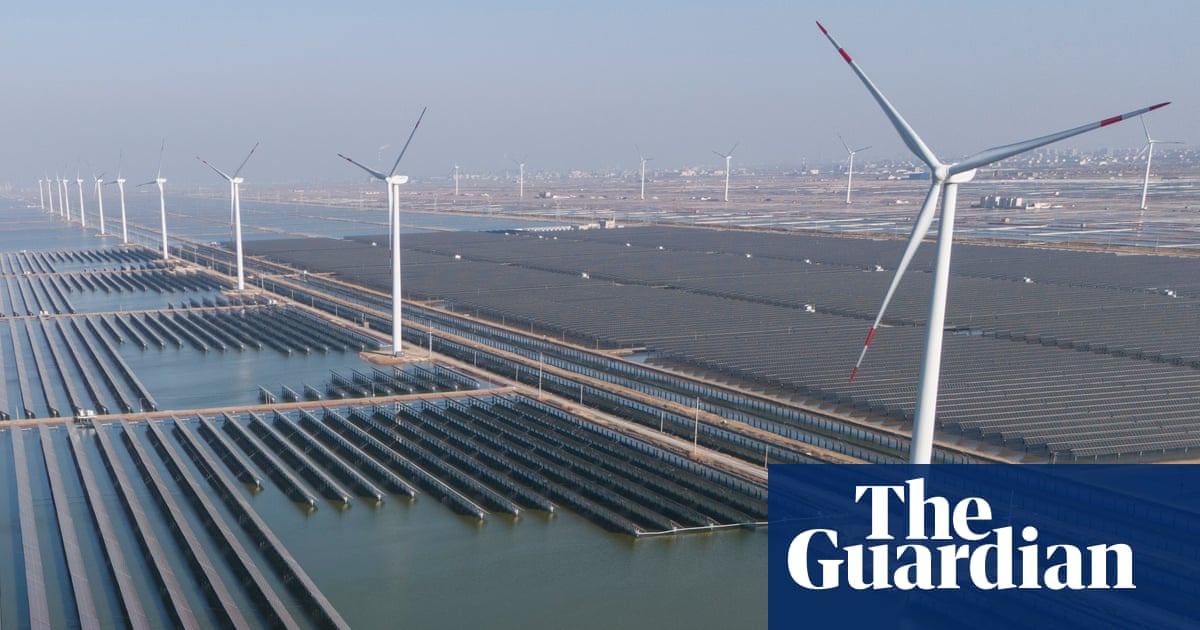
China's carbon dioxide emissions have been flat or falling for 18 months, suggesting the country may achieve its 2030 peak emissions target ahead of schedule, largely due to a massive build-out of renewable energy capacity. The nation added 240GW of solar and 61GW of wind in the first nine months of this year, leading to flat energy sector emissions despite rising electricity demand, and installed more solar last year than the rest of the world combined. While some industrial sectors and overall carbon intensity targets present challenges, the upcoming 15th five-year plan is expected to prioritize low-carbon energy systems, indicating continued policy support and significant investment opportunities in China's green technology sector.
China's carbon dioxide emissions have remained flat or fallen for the past 18 months, indicating a potential early achievement of its 2030 peak emissions target. This trend is primarily driven by an aggressive renewable energy build-out, with solar and wind power generation growing by 46% and 11% respectively in Q3, and 240GW of solar and 61GW of wind capacity added in the first nine months of the year. This significant deployment has kept energy sector emissions stable despite rising electricity demand.
Beyond energy, emissions also declined in the travel, cement, and steel industries. However, the country faces challenges, particularly in meeting its 2020-2025 carbon intensity target, necessitating steeper reductions to achieve the 2030 goal of a 65% reduction from 2005 levels. Oil demand in the transport sector decreased by 5% but saw a 10% increase elsewhere due to surging plastics and chemical production, highlighting uneven decarbonization across sectors.
The upcoming 15th five-year plan (2026-2030) is anticipated to prioritize low-carbon energy systems, signaling continued governmental support and investment in green technologies. Despite some modest official targets, China has a historical record of exceeding its climate commitments, suggesting a strong underlying commitment to its dual carbon goals of peak emissions by 2030 and net neutrality by 2060. This sustained policy focus, combined with the nation's massive renewable capacity additions, positions China as a critical player in the global energy transition.
AI-powered research, real-time alerts, and portfolio analytics for institutional investors.
Request DemoOverall Sentiment
moderately positive
Sentiment Score
0.55
Ticker Sentiment
