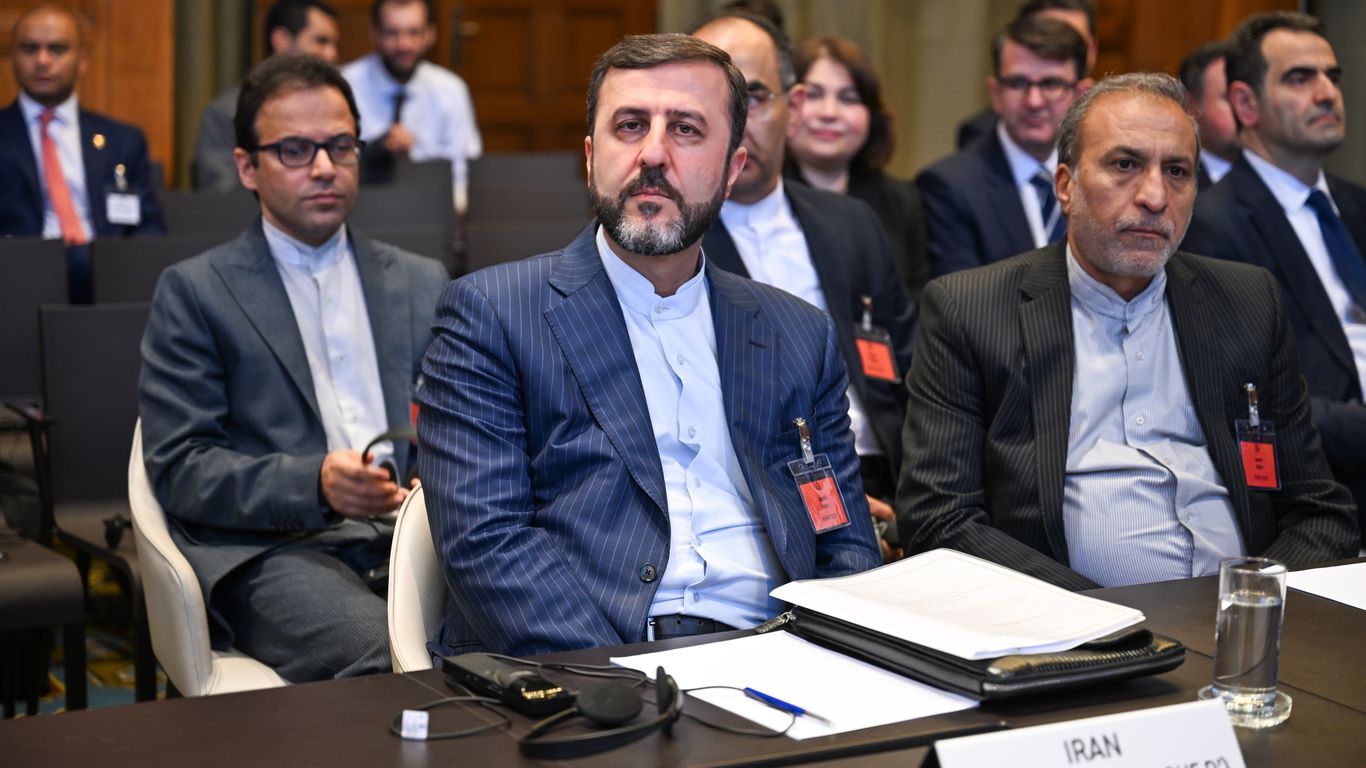
Iran's chief nuclear negotiator, Kazem Gharibabadi, stated the country is willing to resume talks with the U.S. "the sooner the better," but only with assurances against further military action, citing deep distrust after past U.S. actions. Upcoming talks with the E3 (France, Germany, UK) will address potential "snapback" sanctions, which have an unofficial August deadline and expire in October, with the E3 seeking renewed UN inspector access and enriched uranium transfer. Iran insists on indirect negotiations with the U.S. and is open to a new framework for IAEA cooperation, emphasizing its lack of trust in direct engagement.
Geopolitical tensions surrounding Iran are escalating despite a stated willingness to resume negotiations. Iran's chief negotiator, Kazem Gharibabadi, has conditioned a return to talks with the U.S. on receiving assurances against further military action, citing profound distrust. This cautious and negative sentiment (score: -0.4) underscores the fragility of the situation. The immediate catalyst is the upcoming meeting in Istanbul between Iran and the E3 (France, Germany, UK) to discuss the potential imposition of "snapback" sanctions. While an unofficial August deadline exists, Iran's negotiator has downplayed its significance, though the power to enact these sanctions expires in October. The E3 is seeking a resumption of IAEA inspections and the transfer of Iran's 60% highly enriched uranium as concessions. However, Iran's insistence on indirect-only talks with the U.S. and its criticism of the IAEA highlight significant hurdles to any meaningful diplomatic breakthrough, elevating the potential for market impact (score: 0.6) should negotiations falter.
AI-powered research, real-time alerts, and portfolio analytics for institutional investors.
Overall Sentiment
Negative
Sentiment Score
-0.40
