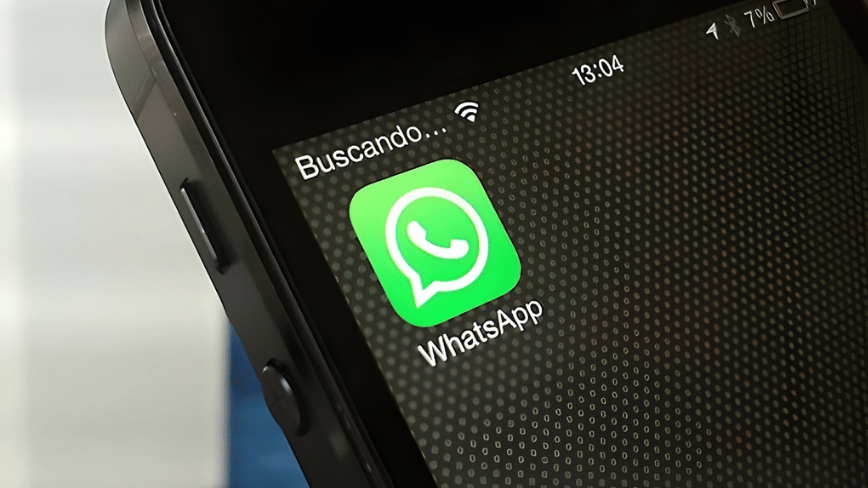
WhatsApp notified ~200 users (mainly in Italy) that they were tricked into installing SIO-built spyware (Spyrtacus) disguised as WhatsApp and plans to send a formal legal demand to SIO. The malware, now seen on iOS after prior Android samples, can exfiltrate messages, media, audio and video; Italy’s low-cost spyware market (reported rental rates as low as €150/day) and a global lawful-intercept market projected from $4bn (2023) to $15bn by 2032 (≈16% CAGR) increase regulatory, reputational and litigation risk for carriers, surveillance vendors and platforms.
Tech platforms are moving from passive reporters of exploitation to active market actors: notifications + litigation become an extra-judicial control lever that raises the cost of commercial spyware deployments and changes incentives for both purchasers (states, police) and suppliers. Expect a two-tier response over 3–18 months — an initial spike in political/legal activity and disclosures (which amplifies reputational damage), followed by quieter churn as buyers either pay up for “approved” vendors or shift channels to less-visible tools.
Italian telecoms sit at the epicenter of this friction because they can be paid to act as distribution pipes; that creates a unique regulatory arbitrage but also concentrates political and legal risk on incumbents. If even a small fraction of subscribers lose trust (0.5–1% churn in 12 months) or regulators impose compliance upgrades, TIMB faces a 2–5% EBITDA hit from higher opex and lower ARPU — an outsized move for a low-margin telco and the main near-term earnings pressure vector.
Platform providers gain asymmetric optionality: Apple can monetize stronger device-level assurances and enterprise adoption in Europe (a plausible 1–2% incremental revenue tail in 12–24 months from higher device replacement/enterprise services), while Meta extracts defensive value from being the public counterweight to state abuse, which lowers user attrition risk and strengthens engagement defensibility. Both are exposed to escalation risk if sovereigns push back legally, but they have the balance-sheet and legal playbook (NSO precedent) to make litigation an effective deterrent.
Primary catalysts: Italian parliamentary hearings and prosecutor actions in the next 1–3 months, EU-level regulation or litigation outcomes over 6–24 months, and continuation of platform notification campaigns. A contrarian read: the market may be overstating telco downside because many carriers are financially compensated for interception services — revenue subsidies or state indemnities could blunt the short-term earnings shock, so any short should be hedged and sized modestly.
AI-powered research, real-time alerts, and portfolio analytics for institutional investors.
Request DemoOverall Sentiment
moderately negative
Sentiment Score
-0.45
Ticker Sentiment
