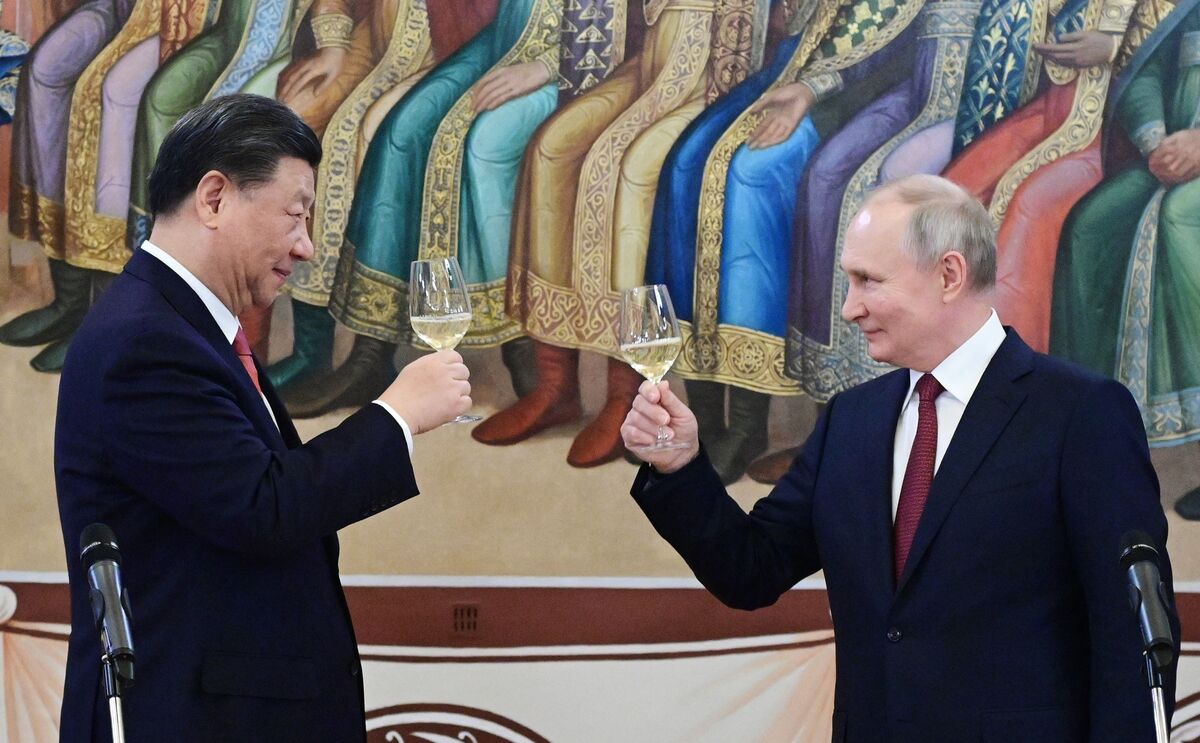
The de facto alliance between China and Russia has strengthened, driven by a shared opposition to the US-dominated global order and Moscow's pivot to Beijing following Western sanctions post-2014 Crimea annexation. This strategic alignment, which has deepened since Russia's 2022 Ukraine invasion and sees China as a key buyer of Russian commodities and arms, poses significant geopolitical implications and concerns for democratic nations.
The strategic alignment between China and Russia has consolidated into a de facto alliance, primarily driven by a mutual objective to challenge the US-dominated global order. This partnership's momentum accelerated significantly after 2014, when Western sanctions following Russia's annexation of Crimea compelled Moscow to pivot its economic and political focus eastward. Consequently, China emerged as a 'massive buyer' of Russian commodities and weapons, forging a critical economic interdependence. The 2022 invasion of Ukraine has further entrenched these ties, solidifying an economic and military bloc that operates with increasing independence from Western systems, despite reported Chinese unease with the conflict's execution. This development signals a structural shift in geopolitics, creating a more polarized global landscape and raising significant concerns for democratic governments regarding supply chain security, energy markets, and international stability.
AI-powered research, real-time alerts, and portfolio analytics for institutional investors.
Request DemoOverall Sentiment
moderately negative
Sentiment Score
-0.50
