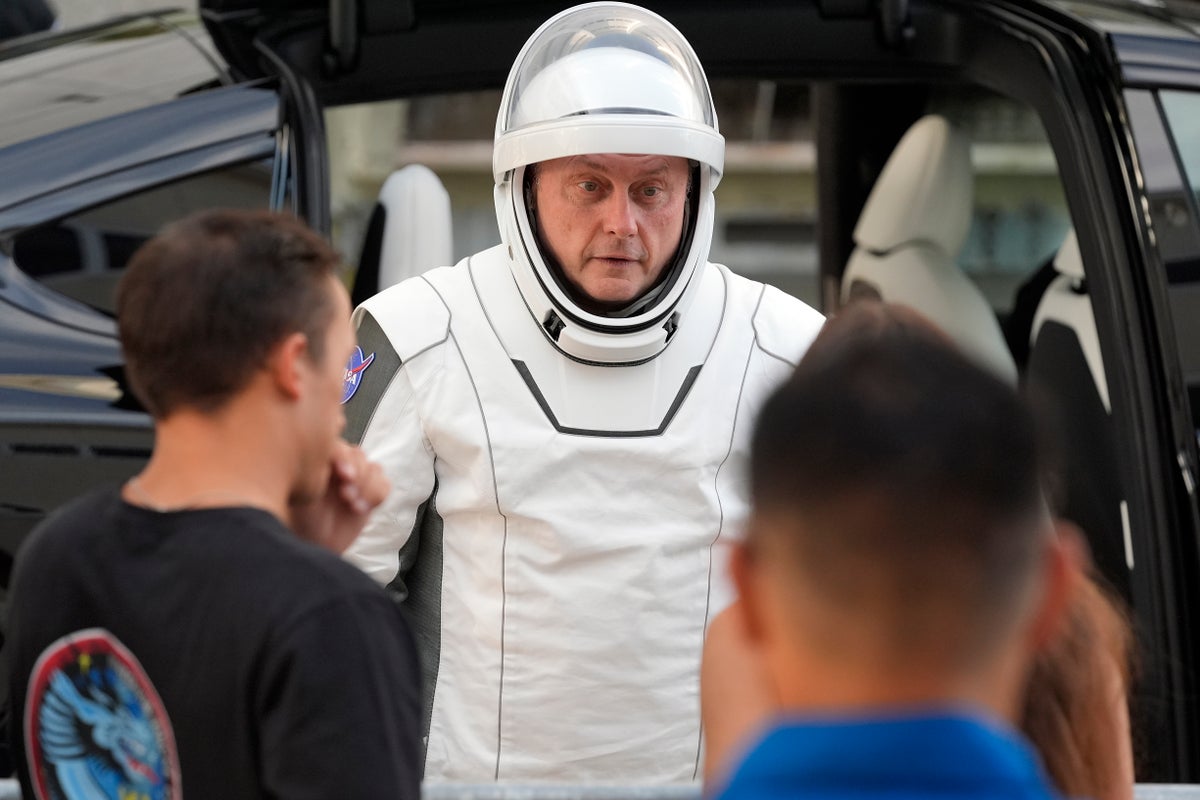
Key event: NASA conducted its first-ever medical evacuation from the ISS after astronaut Mike Fincke suddenly lost the ability to speak for ~20 minutes on Jan 7; doctors have ruled out heart attack and choking and are investigating other causes, including a possible link to his prior 549 days in weightlessness. Fincke was ~5.5 months into the mission, a planned spacewalk was canceled, and three crewmates were returned to Earth by SpaceX on Jan 15 more than a month early; NASA is reviewing other crew medical records.
This episode exposes a structural gap in on-orbit acute neurology and emergency-response capabilities that is orthogonal to launch cadence — compact imaging, ruggedized point-of-care diagnostics, and AI-driven triage are single-digit millions per-unit markets on Earth but become mission-critical on orbit. Expect procurement prioritization from NASA and DoD-funded space-medicine programs over the next 12–36 months; a reallocation of even 0.5% of NASA’s human exploration budget into medtech procurement and R&D translates into tens-to-low hundreds of millions of incremental contract dollars for vendors with flight heritage.
Second-order effects: insurers and mission integrators will reprice crewed-mission risk, raising per-seat OPEX and pushing program managers to demand built-in medical redundancy (extra mass and power), which in turn raises manifest marginal costs and could slow commercial crew tempo if unaddressed. That creates a bifurcated opportunity set — companies that supply lightweight, low-power diagnostics and telemedicine (fast revenue adoption) versus integrators/primes that supply modular medical infrastructure (lumpy, higher-dollar contracts).
Catalysts and timeframes are concrete: NASA/DoD solicitations, SBIR awards, and Congressional appropriations over the next 6–18 months will validate the theme; visible wins should appear as 6–24 month contract announcements. The principal downside is an idiosyncratic diagnosis — if the event proves non-reproducible and crew-health remains statistically stable, procurement will be muted and market moves will retrace quickly. Monitor procurement logs and SBIR portals weekly to catch signal events early.
Contrarian take: market consensus will underweight near-term revenue impact but overrate reputational risk to commercial crew operators. Tactical exposure to specialist medtech names with prior ISS flight pedigree offers asymmetric upside without needing to bet on broader commercial-space equities, which face delayed and politicized budget flows.
AI-powered research, real-time alerts, and portfolio analytics for institutional investors.
Request DemoOverall Sentiment
neutral
Sentiment Score
0.00
