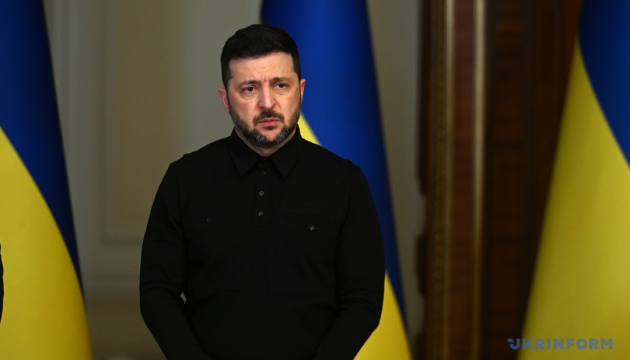
President Zelensky reported a large-scale Russian strike using nearly 400 drones and 29 missiles targeting Ukraine's energy sector across 12 regions, leaving tens of thousands in Odesa without heat and water, damaging more than ten residential buildings and railway infrastructure, and injuring nine people. Ukrainian air defenses reportedly neutralized 25 missiles and 367 UAVs. The strikes create near-term risks of energy supply disruption, elevated infrastructure repair costs and increased defense spending, and could prompt intensified sanctions and accelerated Western military support—factors likely to influence regional energy prices and defense-sector exposures.
Market structure: Defense and energy-export nodes gain pricing power while Ukraine-facing distribution owners and short-cycle industrials suffer near-term cashflow hits. Expect outsized order flow for anti-air systems, munitions and grid-repair equipment (beneficiaries: large US/EU primes, grid-equipment OEMs) and premium on LNG/spot gas supply; this can tighten spot gas vs. forward spreads by 10–30% in stressed weeks.
Risk assessment: Tail risks include a major escalation (blockade or large pipeline sanctions) that could lift European gas prices +30–100% in weeks and push EURUSD down 3–7%; NATO escalation is low-probability but high-impact. Near-term (days) see risk-off & reserve power outages; weeks-months expect energy price volatility and incremental defense budgets; 12–36 months implies sustained demand for reconstruction and grid capex.
Trade implications: Tactical plays should favor defense primes (RTX, LMT, NOC) and grid-equipment (ABB) and LNG-integrated oil majors (BP, SHEL) while avoiding pure-play European distribution utilities with Ukraine exposure. Use options to buy convexity for event risk (3–9 month call spreads on defense names, calendar spreads or TTF/HH call exposure for gas desks) and hold equities 6–18 months to capture budget/order visibility.
Contrarian angle: Consensus bids defense equities; downside is a rapid ceasefire or large diplomatic package that re-prices risk lower—size positions 1–3% and use options to cap premium. Also avoid naive UNG/leveraged nat-gas ETFs for multi-month exposure because of contango; prefer LNG-integrated equities or physical futures positions for desks that can roll efficiently.
AI-powered research, real-time alerts, and portfolio analytics for institutional investors.
Request DemoOverall Sentiment
moderately negative
Sentiment Score
-0.60
