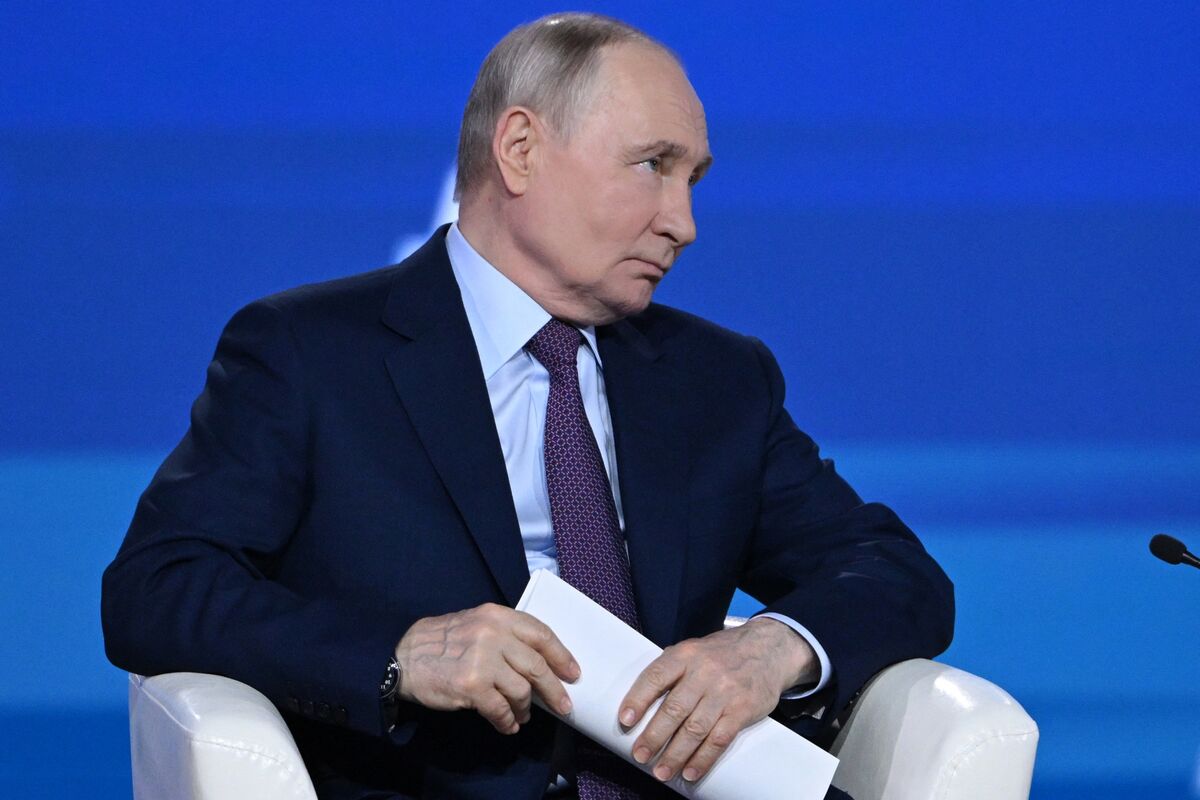
A Russian billionaire offered to donate an unspecified 'large sum' to the state budget at a closed-door meeting with President Vladimir Putin, and the Kremlin said Putin welcomed the voluntary contribution. The donation was presented as reflecting how many businesses were built in the 1990s and highlights close state–business ties; no dollar amount was disclosed and the report is unlikely to have material market impact.
This episode is best read as a political risk signal rather than a fiscally material event: a high‑visibility voluntary transfer from private capital to the treasury shifts the marginal pricing of political protection for wealthy actors. Expect accelerating informal mechanisms (voluntary donations, one‑off “contributions”, preferential contracts) that lower near‑term litigation/expropriation risk for cooperating oligarchs while increasing counterparty and reputational risk for foreign investors holding those same names.
Second‑order: firms that align with the state will see de‑facto credit enhancement (easier access to state contracts, regulatory forbearance) while independent actors face higher cost of capital or forced exit. Over 3–12 months this is likely to widen valuation dispersion within Russia‑exposed sectors by 300–600bps of implied equity risk premia; over years it institutionalizes state capture, compressing returns on private capital and increasing correlation between political events and asset prices.
Catalysts to watch: an upcoming election window or budgets that fall short of projected revenues (weeks→months) could convert symbolic donations into recurring levies; a major sanctions escalation or a leadership shock (months→years) would reverse the de‑risking proposition and reprice assets violently. Tail risk is asymmetric — a voluntary transfer raises the floor for cooperating insiders but raises the ceiling on extraction for everyone else, so liquidity and sanction channels remain the single largest reversal trigger.
AI-powered research, real-time alerts, and portfolio analytics for institutional investors.
Overall Sentiment
neutral
Sentiment Score
0.00
