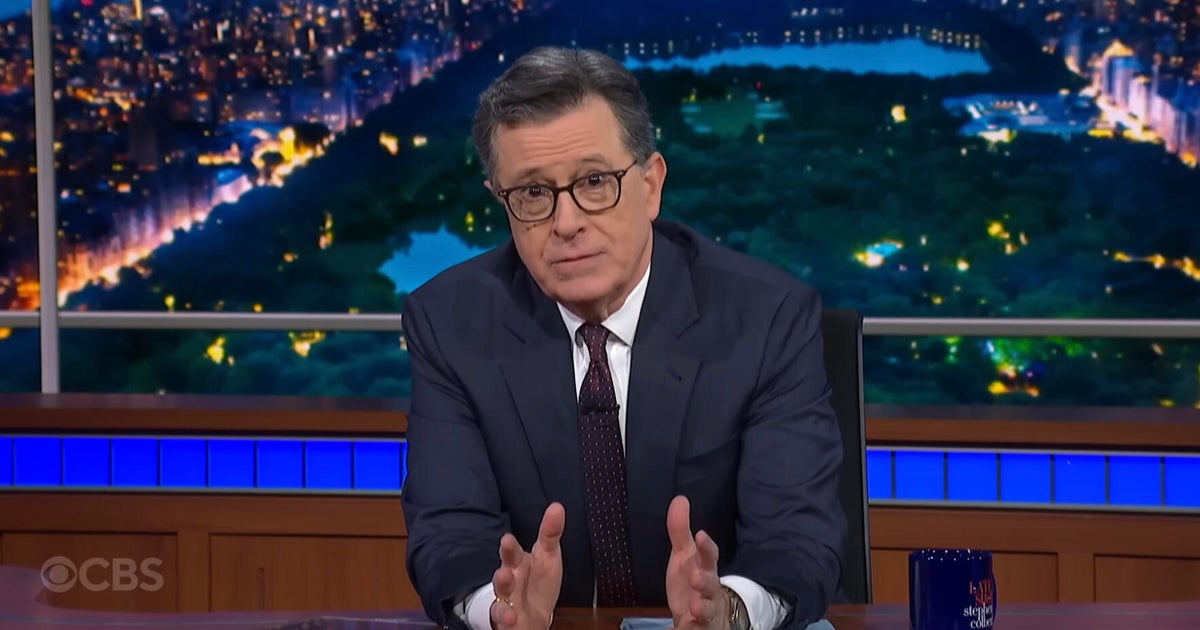
CBS late-night host Stephen Colbert said network lawyers prevented airing an interview with Texas Senate candidate James Talarico on broadcast TV, citing new FCC guidance that could trigger the equal-time rule, and the show instead posted the interview on YouTube. CBS countered that it provided legal guidance and that The Late Show chose online distribution and on-air promotion rather than invoke equal-time obligations for other candidates. The FCC notice clarifying that many daytime and late-night talk shows may not qualify as "bona fide news" creates compliance and programming risk for broadcasters, but the immediate financial impact appears limited. The episode highlights regulatory and reputational exposure for networks amid heightened political scrutiny as CBS prepares to retire its late-night franchise.
Market structure: This FCC guidance tilts marginal share and pricing power toward digital platforms (Alphabet/GOOGL) and targeted cable/satellite inventory (CMCSA, FOXA) while creating downside risk for legacy, ad-dependent broadcast owners (Paramount/PARA). Candidate appearances become constrained supply on FCC-licensed airwaves, increasing demand and CPMs for non-FCC channels; expect broadcasters' political-ad revenue contribution to potentially swing by mid-single-digit percent of quarterly ad revenue in primary-heavy quarters. Cross-asset: expect idiosyncratic equity and credit volatility for PARA (possible 5–20% equity re-rating; 10–30bp widening in HY credit spreads) while broader markets see minimal macro impact.
Risk assessment: Tail risks include an escalatory FCC enforcement (license/penalty actions) or broadening of equal-time scope via litigation—low probability but high impact for broadcasters. Time horizons: immediate (days) — social/digital traffic spikes; short-term (weeks–months) — ad dollars reallocated ahead of primaries; long-term (quarters–years) — structural ad migration to digitally measured inventory. Hidden dependencies: advertiser boycott risk, affiliate contract clauses, and FCC composition tied to political cycles. Catalysts: formal FCC clarifications (next 30–60 days), lawsuits, and primary-season ad buys.
Trade implications: Direct plays: overweight GOOGL and selective cable/streaming (CMCSA, FOXA) while underweight PARA; consider small, hedged short in PARA equity or 3–6 month put structures. Pair trade: long GOOGL vs short PARA to express ad-share rotation. Options: buy PARA 3–6 month puts (10–20% OTM) or buy GOOGL 3-month call spreads to limit capital and capture CPM re-rating. Entry within 7–30 days; trim after FCC final guidance or post-March primaries.
Contrarian angles: The market may overstate permanent damage to broadcasters — networks can monetize displaced appearances via owned digital channels (YouTube) and sponsorship structures, muting long-term revenue loss. Historical parallels (Fairness Doctrine debates) show regulatory scare often accelerates platform shifts rather than industry collapse, creating M&A windows; watch for consolidation opportunities if PARA equity dislocates by >20%.
AI-powered research, real-time alerts, and portfolio analytics for institutional investors.
Request DemoOverall Sentiment
neutral
Sentiment Score
0.00
