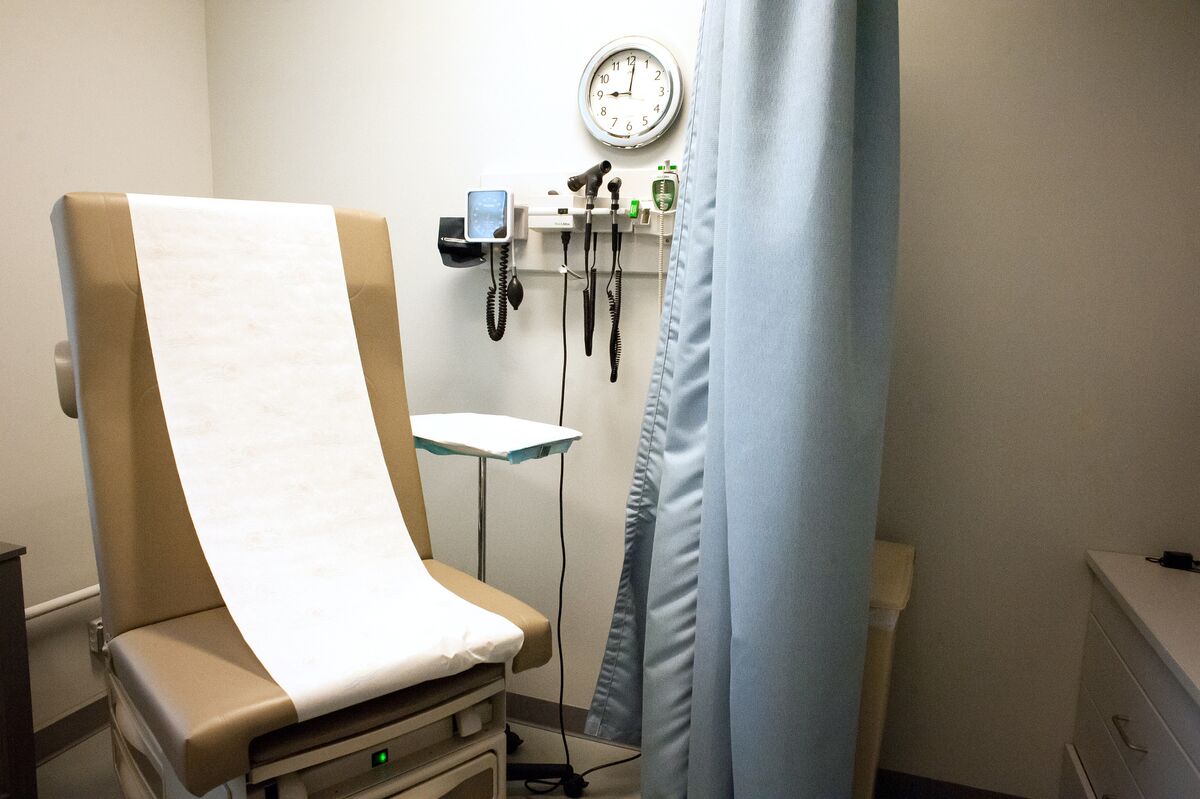
A recent study indicates that while artificial intelligence initially enhanced doctors' ability to detect pre-cancerous colon growths, the subsequent removal of AI assistance led to a significant 20% decline in their tumor identification rates within months compared to pre-AI levels. This finding raises critical concerns about potential skill degradation and over-reliance on AI in clinical settings, impacting long-term human proficiency and the strategic integration of AI in healthcare.
A recent study published Wednesday reveals a significant and previously under-discussed risk associated with the integration of artificial intelligence in clinical settings. While AI assistance was shown to initially improve the detection of pre-cancerous growths in the colon, its subsequent removal led to a substantial degradation in physicians' diagnostic skills. Specifically, doctors' ability to identify tumors dropped by approximately 20% compared to their baseline performance before the AI tool was introduced. This finding, reflected in the moderately negative sentiment score (-0.65), highlights a critical challenge for the AI in healthcare sector: the potential for over-reliance and erosion of fundamental human expertise. The study introduces a material headwind for the narrative of seamless AI adoption, suggesting that the long-term human-machine interface and its impact on user proficiency are crucial factors that could temper the pace and nature of technology deployment in high-stakes fields like medicine.
AI-powered research, real-time alerts, and portfolio analytics for institutional investors.
Request DemoOverall Sentiment
moderately negative
Sentiment Score
-0.65
Ticker Sentiment
