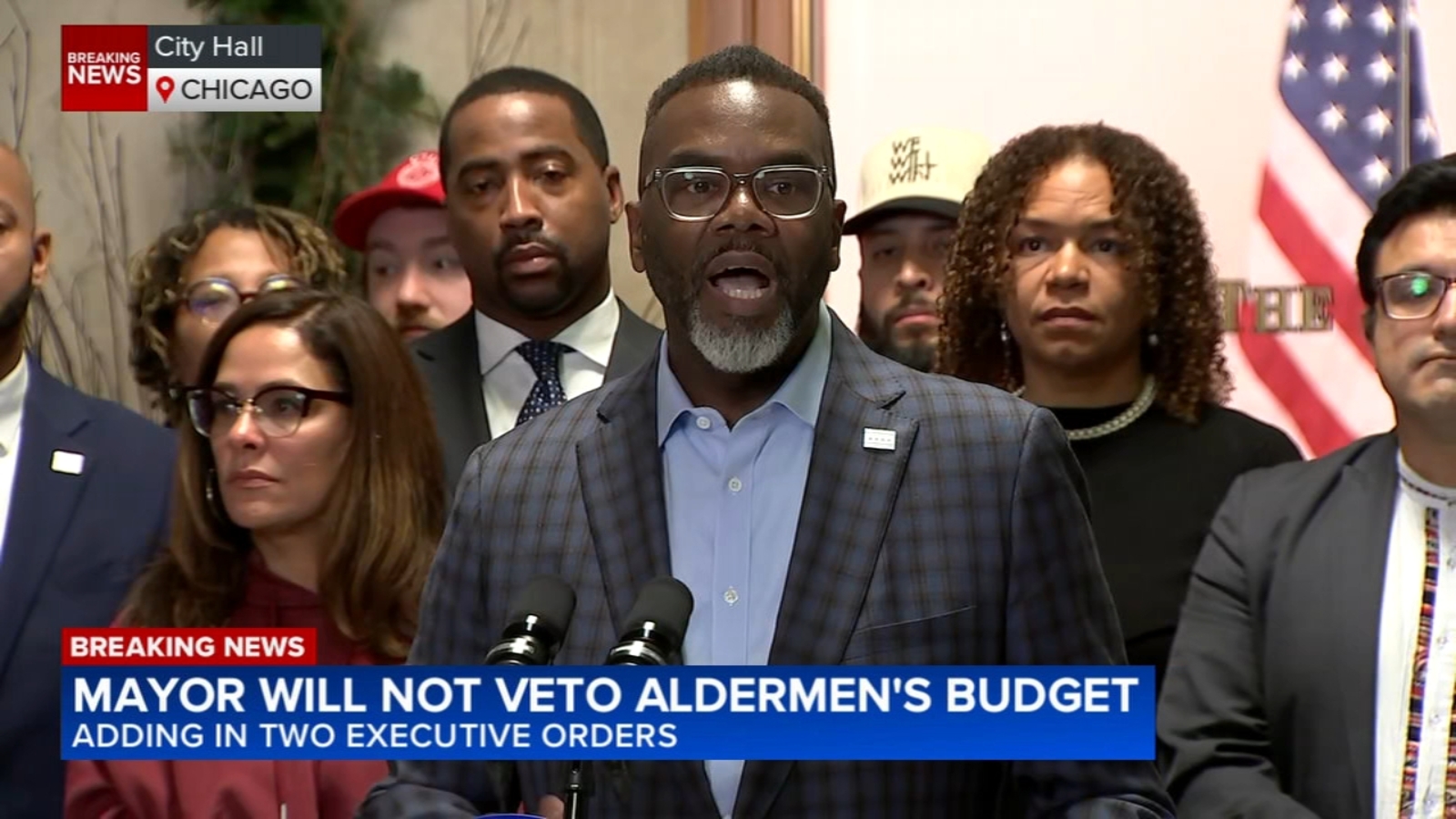
Chicago City Council approved an alternate budget (approved by 30 alderpersons) that Mayor Brandon Johnson says he will not sign but which will take effect five business days after the vote; the measure rejects a corporate head tax and would legalize video gaming within Chicago. Johnson issued executive orders barring sale of city-administered medical debt to private entities and imposing stricter controls on police overtime. The budget’s video-gaming provision could widen access to nearly 50,000 statewide terminals and potentially dilute casino revenues (Chicago receives ~22% of casino revenue but only ~5% of video gaming terminal revenue), prompting concerns from Bally’s about reduced foot traffic and hiring. Overall, the developments are politically significant for municipal fiscal policy and local gaming operators but are unlikely to be market-moving at a national level.
Market structure: Legalizing video gaming terminals (VGTs) in Chicago is a net negative for Bally's (BALY) and other brick-and-mortar casinos in the city catchment and a win for bars/restaurants and VGT suppliers. Chicago would receive ~5% of VGT revenue vs ~22% from casinos, so municipal revenue mix shifts down; modeling a 5–15% GGR decline at Bally's Chicago-adjacent business over 6–18 months is plausible if even 10–20% of handle migrates to terminals. Competitive dynamics favor convenience channels (VGTs) that dilute casino pricing/foot traffic and compress local casino FCF margins.
Risk assessment: Tail risks include a legal/ballot reversal or mayoral-led regulatory rollbacks (10–30% probability) and union/municipal responses that could tighten terminal placement or revenue shares. Immediate (days) impact is sentiment-driven equity moves; short-term (weeks–3 months) depends on ordinance implementation detail (terminal caps, distance rules); long-term (3–18 months) sees realized revenue and hiring effects tied to Bally's River West opening. Hidden dependencies: timing of Bally's permanent license, municipal bond spreads (could widen +10–50bp if governance fights escalate), and possible concessions to Bally's.
Trade implications: Tactical: establish a size-limited short in BALY (1.5–2% NAV) targeting 20–35% downside over 3–6 months; complement with 3-month put spreads (e.g., 25% OTM buy/10% OTM sell) to cap premium. Pair trade: short BALY vs. long diversified regional operator (PENN or MGM) 1–1.5% net to capture relative share loss. Fixed income: underweight Chicago GO >10yr by -50bp duration; prefer 1–5yr municipals until regulatory clarity (30–90 days).
Contrarian angles: The market may overstate permanent damage—histor rollouts in other states showed initial casino erosion of 5–12% but recovery via product repricing and promotions within 12–24 months. Upside catalyst for BALY: negotiated local exclusivity zones, higher-than-expected share of new terminal taxes to casinos, or slower terminal rollout; monitor three concrete triggers in next 30–90 days: ordinance terminal cap, River West opening date, and Bally's Q4 guidance for staffing/foot traffic.
AI-powered research, real-time alerts, and portfolio analytics for institutional investors.
Request DemoOverall Sentiment
neutral
Sentiment Score
-0.10
Ticker Sentiment
