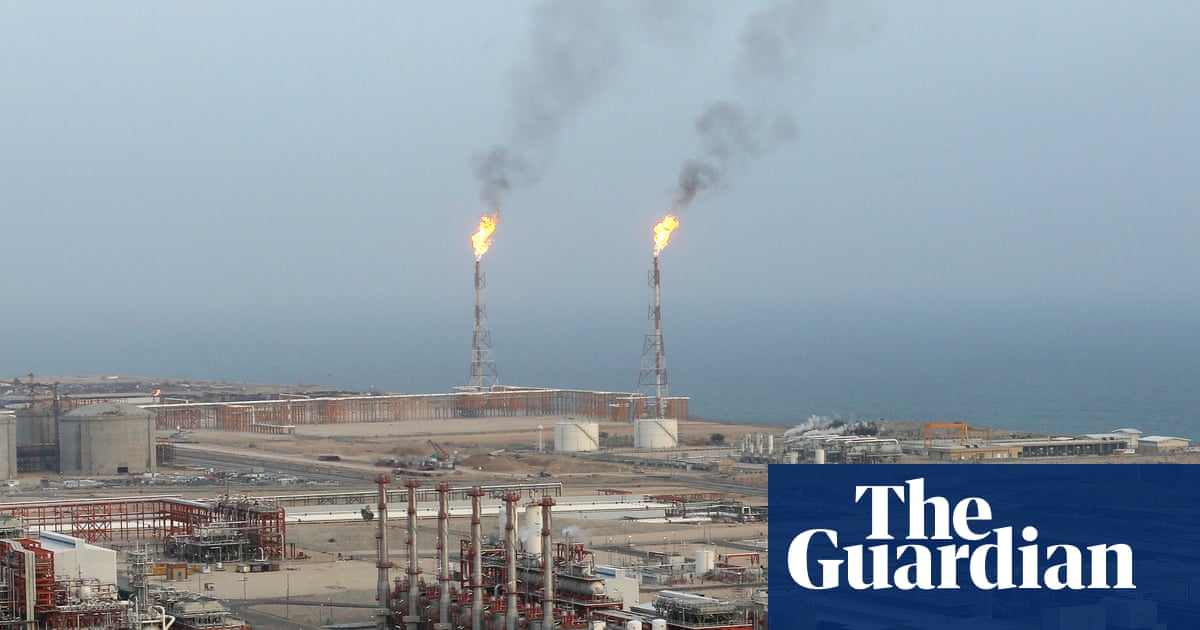
Daily oil exports from the region have fallen by at least 60% from prewar levels after escalating strikes and threats; Iran has threatened to hit energy facilities across Saudi Arabia, the UAE and Qatar in retaliation for strikes on the South Pars gasfield. The international oil benchmark jumped as much as ~5% to $108.60 (earlier >$116 last week) and Europe gas rose >7.5% to €55.50/MWh, as producers shut or reroute production, storage fills and tanker movements through the Strait of Hormuz are severely disrupted.
Markets are now pricing a non-linear premium for stoppages rather than steady supply shortfalls; a 1 mbpd effective disruption typically translates into a $10–$30/bbl shock in the first 30–90 days because spare tanker capacity, alternative pipeline routing and SPR releases are all finite and slow to scale. That front-loaded supply premium will amplify volatility in freight, insurance and storage markets: time-charter rates for crude/LNG tonnage and war-risk insurance can move multiples faster than spot oil and sustain higher breakevens for marginal barrels for weeks. Second-order winners and losers will diverge by duration: near-term beneficiaries include owners of flexible shipping and floating storage and contractors that can rapidly restore infrastructure, while sectors sensitive to energy-intensive feedstocks (fertilizers, basic chemicals) face margin compression and potential production curtailments over quarters. Over 6–36 months, expect accelerated capital allocation away from chokepoints toward alternative routes (LNG regas terminals, pipeline capex outside the Gulf) and higher maintenance/insurance budgets for regional port and storage operators, increasing OPEX for importers and narrowing returns on midstream assets. Tail risks skew heavily to escalation: a wider campaign that intermittently closes major export channels for multiple weeks would push prices into structural shock territory and likely trigger coordinated releases from strategic inventories or rapid demand destruction; conversely a rapid credible de-escalation (diplomatic or kinetic relief) could see a swift pullback as contango unwinds. Monitor shipping insurance resets, charter rate trajectories, and European gas storage fill rates as leading indicators that precede oil mean-reversion by 1–3 weeks.
AI-powered research, real-time alerts, and portfolio analytics for institutional investors.
Request DemoOverall Sentiment
strongly negative
Sentiment Score
-0.75
