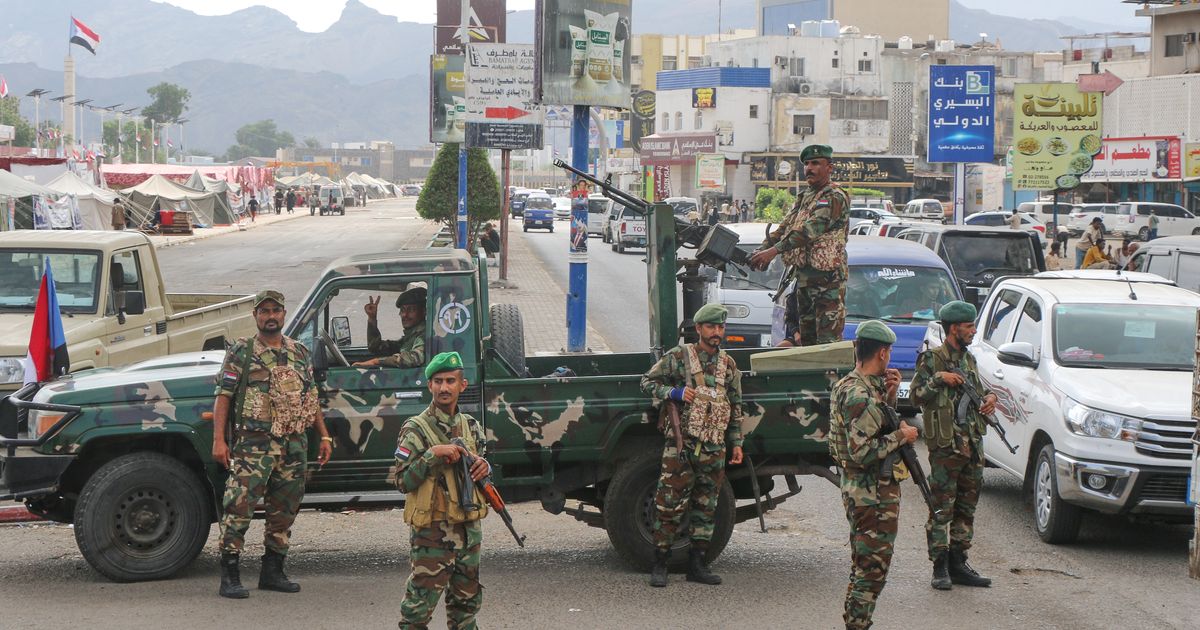
Saudi warplanes reportedly struck UAE-backed Southern Transitional Council (STC) forces in southern Yemen as a Riyadh-led operation moved to take control of STC camps in Hadramout and Mahra after the STC seized an oil-rich region and refused to disarm. Reported measures blocking a Saudi mediation flight and newly imposed inspection requirements for flights to Aden raise Saudi–UAE tensions and create near-term security and logistics risks across Gulf transport and energy corridors that investors with regional exposure should monitor.
Market structure: The confrontation raises marginal geopolitical risk to Red Sea/Gulf of Aden transit and to investor sentiment toward GCC coordination, which puts upside pressure on Brent/WTI near-term (probability-weighted 15–25% of a 3–7% oil spike over 2–6 weeks). Winners: major integrated oil producers (XOM, CVX), oil-services names if activity resumes; losers: regional carriers, Yemen-exposed logistics providers, and short-duration EM credit. Pricing power shifts modestly to producers and tanker owners if freight reroutes persist more than 2–4 weeks.
Risk assessment: Tail risks include rapid Saudi–UAE escalation (10–15% chance within 3 months) that could close key lanes or trigger sanctions, and UAE–Saudi diplomatic split that disrupts capital flows into UAE markets. Immediate window (days) is volatility in oil/FX and airline routes; short-term (weeks–months) is freight-rate shock and regional CAPEX reallocation; long-term (quarters+) is higher defense budgets and persistent risk premia in MENA EM credit spreads (50–150bp widening possible for peripheral issuers).
Trade implications: Tactical overweight to oil via options (cheap convexity) and selective defense longs; underweight/directional shorts in Gulf-exposed airlines and regional logistics (DPW, small-cap ports). Use 4–8 week option plays to capture volatility; hedge with sovereign/US Treasuries or GLD if risk-off accelerates. Monitor Brent contango/backwardation, Aframax/Suezmax time-charter rates, and Gulf political headlines on a daily cadence.
Contrarian angles: Consensus will likely overprice direct oil supply disruption—Hadramout/Mahra are not immediate chokepoints—so avoid large directional crude longs >5% net exposure unless clear escalation. Underappreciated: defense-equipment spending uplift and re-shoring of GCC energy security contracts over 6–18 months. A disciplined, option-sized approach captures skew without taking full commodity beta.
AI-powered research, real-time alerts, and portfolio analytics for institutional investors.
Request DemoOverall Sentiment
moderately negative
Sentiment Score
-0.35
