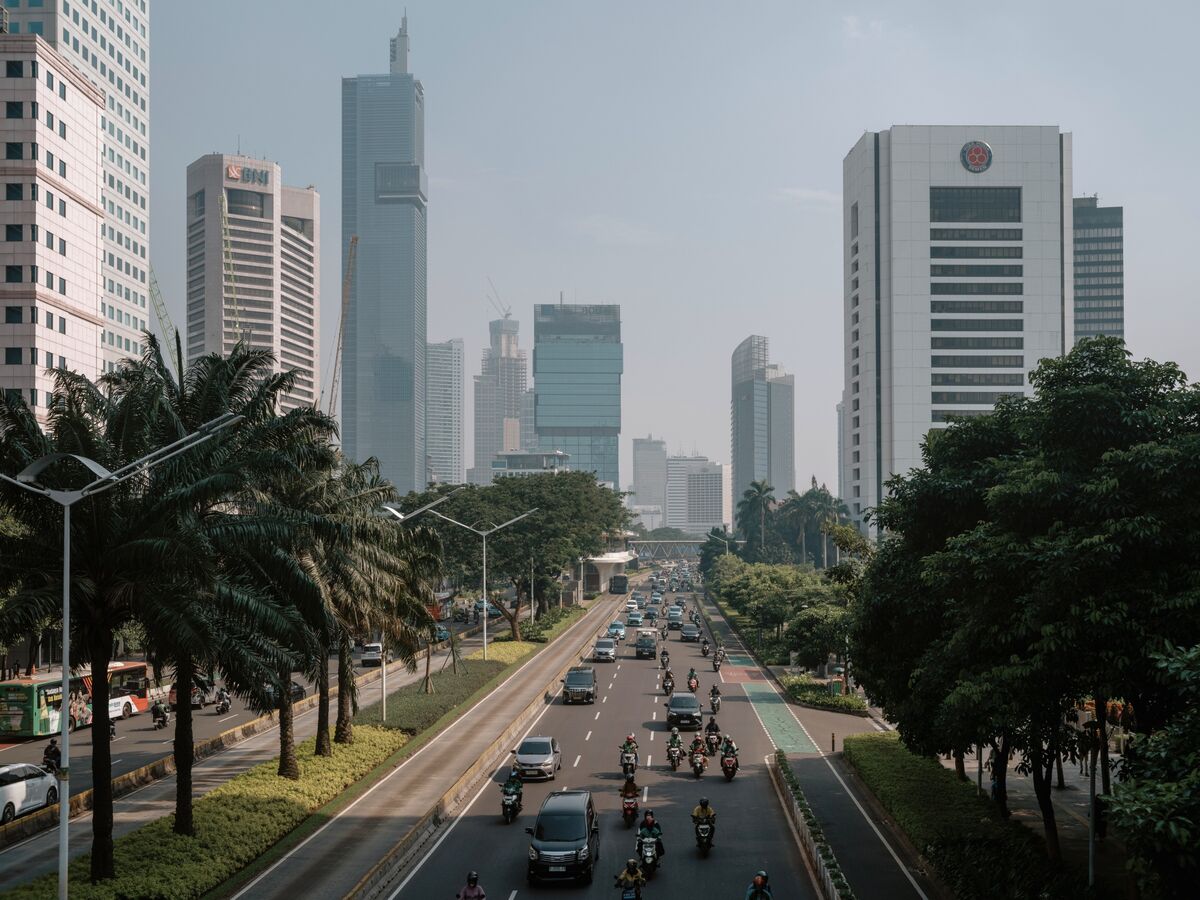
Indonesia is considering expanding its Global Citizenship of Indonesia program to grant lifetime residency and additional economic rights to former citizens and diaspora, a proposal discussed at a recent public hearing. The move is partly framed as compensation for the country's ban on dual citizenship after age 21, but critics at the hearing warned the plan could be costly and unlikely to prevent brain drain, raising fiscal and political questions while likely having limited near-term market impact.
Market structure: The proposal to add economic rights to a lifetime-residency “Global Citizenship” is a narrow policy lever with concentrated winners: premium Jakarta/Singapore-facing real estate developers and private banks that service HNW diaspora, and technology/startup ecosystems that can absorb returning talent. Expect modest reallocation of capital into Indonesian financials and property rather than broad industrial demand; a realistic near-term impact is <5% re-rating for listed domestic banks/REITs if program gains traction within 6–12 months. FX and sovereign bonds could see directional moves only after measurable capital flows (>US$1–5bn) materialize.
Risk assessment: Tail risks include fiscal strain from subsidies (if cost >0.1% of GDP ≈ US$1.3bn) prompting credit-rating scrutiny or populist backlash ahead of elections; conversely, successful attraction of skilled talent provides multi-year productivity upside. Immediate market reaction is likely negligible (days); watch weeks–months for legislative text and registration stats; long-term benefits unfold over 1–5 years as talent and deposits compound. Hidden dependency: program success hinges on complementary reforms (tax, education, social services) rather than residency status alone.
Trade implications: Tactical plays favor small, conditional overweight in Indonesian banks (BBCA.JK, BMRI.JK) and selective property developers (e.g., BSDE.JK, PWON.JK) via ETFs (EIDO) with strict triggers; hedge FX exposure. Use options to cap downside: buy 6–9 month EIDO calls or IDR forward call structures contingent on policy approval; reduce commodity/extractive exposure (coal, palm) by 1–3% if capital rotates into services and finance.
Contrarian angles: Consensus downplays long-term human-capital gains — even modest returning cohorts (10k–50k skilled diaspora) can lift tech/healthcare R&D clusters and increase private deposits by several hundred million dollars over 2–3 years. Conversely, upside is easily overestimated: if incentives are token or dual-citizenship constraints persist, the program will be a headline without capital, creating short-lived volatility and mispriced sector bets.
AI-powered research, real-time alerts, and portfolio analytics for institutional investors.
Request DemoOverall Sentiment
mildly negative
Sentiment Score
-0.25
