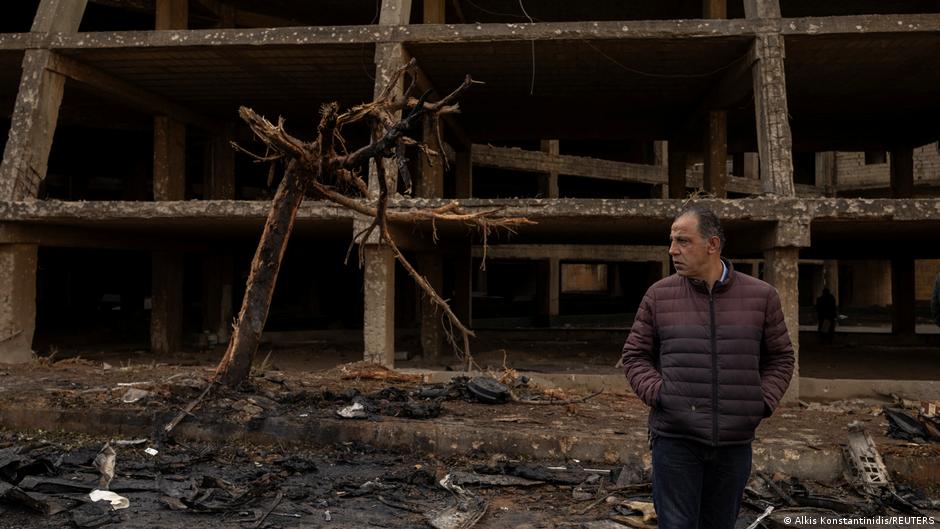
14 people were wounded after an Iranian missile struck near Tel Aviv; Israeli strikes also reportedly killed at least 7 in the Beirut area and Israel said it struck targets in Tehran. The effective closure of the Strait of Hormuz is disrupting roughly 20% of global oil/LNG flows and has driven fuel prices more than 33% higher in Australia since February, straining trade, shipping and EM currencies (notably India’s rupee). Expect heightened market volatility and a sustained risk-off impulse across oil, shipping, EM FX and defense sectors; political statements (Trump saying the war could end in 2–3 weeks) add uncertainty to the conflict timeline.
The most durable market impact is a sustained premium on seaborne energy and critical raw-material flows driven by chokepoint risk and longer voyage geometry. Rerouting around the Cape of Good Hope or deploying naval escorts lifts voyage time and bunker consumption (order-of-magnitude: single-digit to low‑teens percent increases in fuel burn and voyage days), which mechanically raises tanker and LNG spot economics while widening backwardation in near-term energy curves.
Second-order winners are owners of long-haul tank capacity, reinsurers/insurance brokers that price war-risk cover, and defense OEMs that can convert higher order books into multi-quarter revenue visibility; losers are just-in-time dependent logistics, EM importers paying in hard currency, and airline/airfreight operators facing both fuel and route-cost shocks. The currency channel amplifies consumer-pain in import-reliant EMs: weaker domestic units → imported inflation → central-bank rate pressures that can depress local equities for quarters.
Time horizons split: headline volatility and war-risk premia will oscillate on a days-to-weeks cadence, while real economic reallocation (capex into tankers, insurance repricing, defense procurement) plays out over months. Reversals can occur quickly — coordinated diplomatic/escort operations or a rapid political de-escalation will likely trigger a sharp collapse in risk premia (a “volatility cliff”) within 0–30 days, so entry sizing and hedges matter.
Tactically prefer convex exposures: pay limited premium for optionality on higher energy/insurance pricing, own operating leverage in tanker names, and favor defensible cash-flow compounders in defense. Keep a 1–3% portfolio allocation in short-dated volatility hedges to protect against headline-driven price gaps that would blow out single‑name positions.
AI-powered research, real-time alerts, and portfolio analytics for institutional investors.
Request DemoOverall Sentiment
strongly negative
Sentiment Score
-0.80
