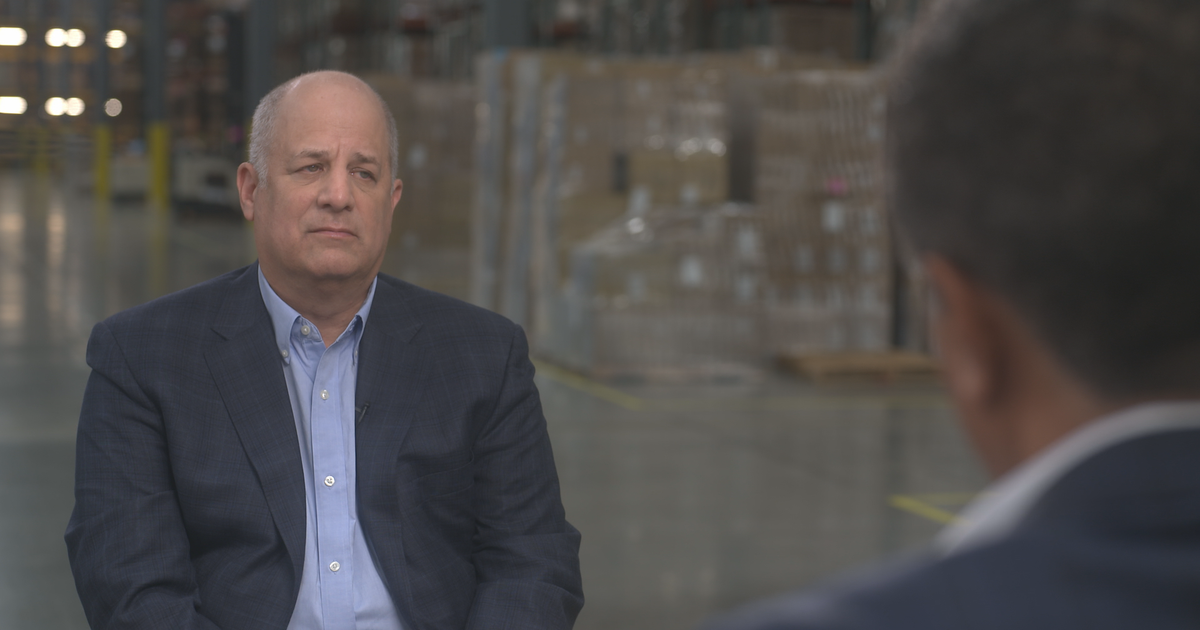
The Supreme Court is hearing a pivotal case challenging the legality of President Trump's tariffs, initiated by Learning Resources CEO Rick Woldenberg, which questions the executive branch's authority to impose duties for national emergencies or trade deficits. A ruling favoring Woldenberg could force the U.S. government to refund billions in tariffs to American companies, with estimates suggesting half of the $200 million collected this year might be repaid, significantly impacting corporate finances and setting a precedent for future presidential trade policy.
The Supreme Court is currently reviewing a pivotal case challenging the legality of President Trump's tariffs, specifically questioning the executive branch's authority to impose duties for national emergencies or trade deficits. Learning Resources CEO Rick Woldenberg, who has paid $5M-$10M in tariffs this year, initiated the lawsuit, arguing the tariffs constitute an illegal "Executive Branch power grab." The outcome carries significant financial implications, with the White House warning of economic catastrophe and potential refunds of billions if Woldenberg prevails.
Treasury Secretary Scott Bessent estimates that a ruling against the government could necessitate refunding approximately half of the over $200 million in tariff revenue collected this year, setting a substantial precedent for future trade policy and corporate finances. This potential liability underscores the fiscal risk to the U.S. Treasury and the financial upside for companies that have borne these tariff costs. The case also highlights the operational challenges faced by businesses like Learning Resources, which found shifting production to the U.S. impossible and resorted to costly supply chain adjustments.
The broader market sentiment is characterized by uncertainty, with a significant market impact score of 0.7, reflecting the systemic nature of this legal challenge to a core economic policy. The ruling will clarify the scope of presidential power in trade matters, influencing future administrations' ability to use tariffs as a policy tool. This legal precedent could reshape global supply chain strategies and impact import-reliant sectors.
AI-powered research, real-time alerts, and portfolio analytics for institutional investors.
Request DemoOverall Sentiment
mildly negative
Sentiment Score
-0.20
Ticker Sentiment
