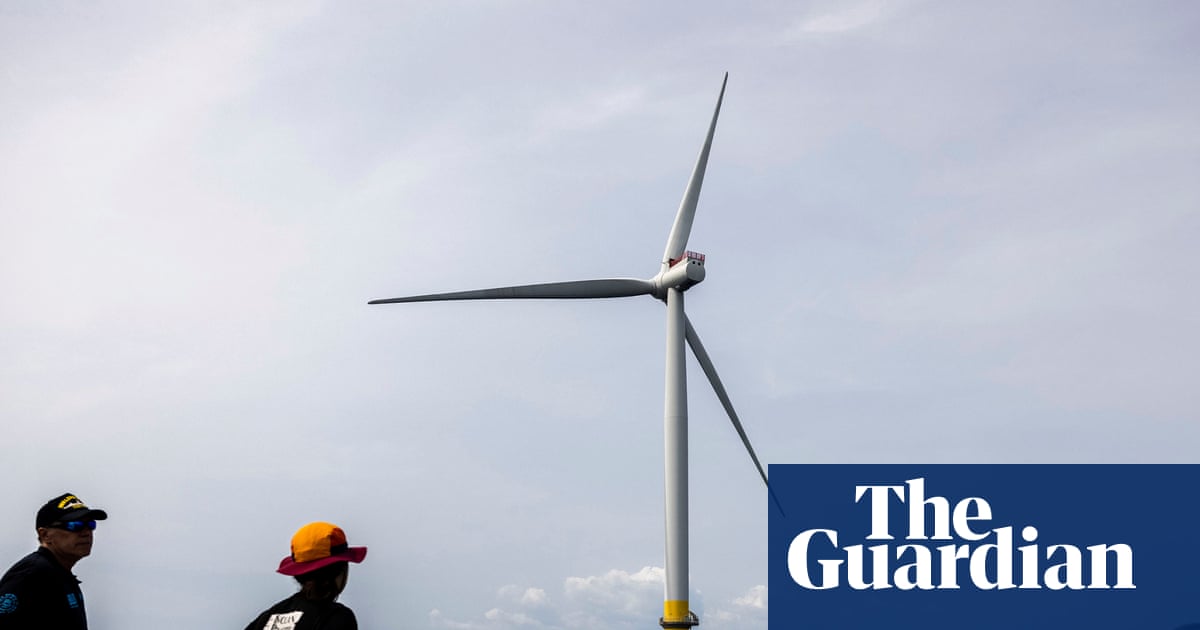
The US Department of the Interior will pay TotalEnergies $1.0bn (reimbursing $928m) to relinquish two offshore wind leases off New York and North Carolina; Total pledged not to pursue new US offshore wind and will invest nearly $1bn this year in LNG (Rio Grande trains), upstream Gulf oil and US shale gas. The politically driven agreement is a material setback to the US offshore-wind pipeline, likely supporting near-term fossil-fuel and LNG project economics while increasing policy and ESG risk for renewables developers.
An administration-driven thinning of the US offshore wind pipeline shifts the marginal new-build economics away from turbines and toward fossil fuel projects in the near-to-medium term, concentrating upside in LNG and Gulf/Permian upstream cashflows over the next 6–24 months. That rotation is mechanical: lost turbine demand frees up vessel, steel and electrical-equipment capacity that can be reallocated to pipe, jackets and LNG train expansions, tightening supply for contractors who rely on a steady cadence of renewables work and creating short-term pricing power for heavy fabrication players.
Winners beyond pure E&P include listed LNG developers and midstream firms that can monetize higher basis differentials and increase utilization of US export capacity; service companies that own specialized heavy-lift vessels and pipelay assets will see utilization creep higher, boosting dayrates and margins. Losers are modular turbine OEMs, subsea cable and array-cable manufacturers, and regional ports that had banked multi-year work — expect 20–40% revenue compression in project-heavy supplier cohorts if cancellations extend past 12 months.
Regulatory and political tail risks dominate the timeline: state-level PPAs and incumbent project contracts create legal paths for reinstatement, meaning reversals can happen in 3–18 months if courts or future administrations prioritize grid decarbonization. Conversely, a prolonged geopolitical oil/gas shock (weeks–months) that keeps commodity prices elevated would cement investment flow to hydrocarbons and compress recovery prospects for offshore wind for multiple years.
The consensus underprices optionality: many offshore projects are banked behind state procurement and transmission leads, so some OEMs may be oversold relative to long-term global pipeline demand. If commodity prices normalize or legal rulings favor developers, there is a sharp mean-reversion risk for beaten-down renewable suppliers within 12–36 months.
AI-powered research, real-time alerts, and portfolio analytics for institutional investors.
Request DemoOverall Sentiment
mildly negative
Sentiment Score
-0.35
Ticker Sentiment
