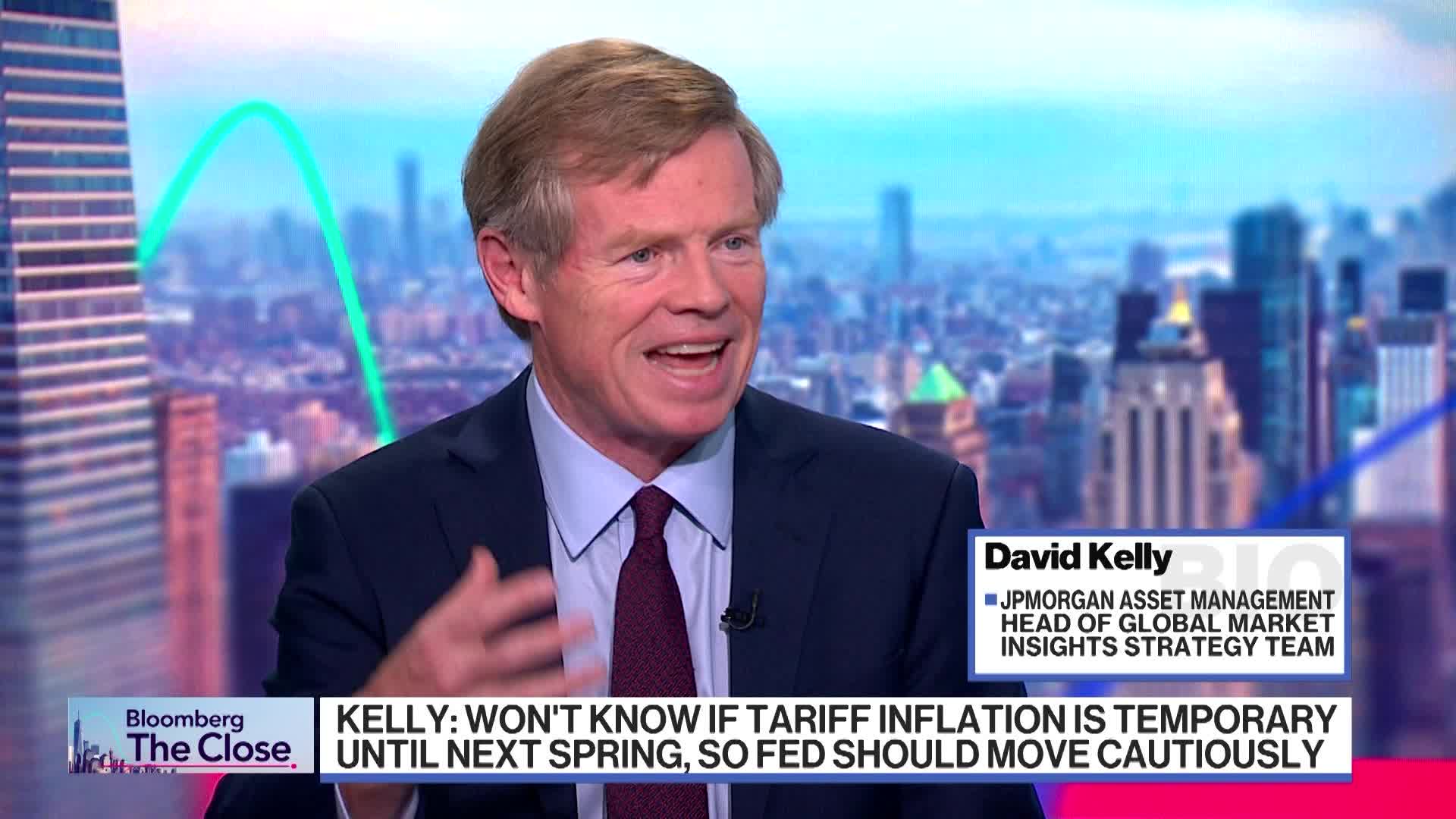
J.P. Morgan's David Kelly is highlighting the increasing odds of a 50 basis point rate cut by the Federal Reserve, signaling a potentially more aggressive monetary easing stance than typically anticipated. This commentary from a prominent strategist suggests market participants should closely monitor the Fed's upcoming decisions for a larger-than-standard policy adjustment.
The commentary from J.P. Morgan's David Kelly introduces a significant variable into the market's monetary policy expectations, elevating the probability of a more aggressive easing cycle from the Federal Reserve. By specifically flagging the odds of a 50 basis point rate cut, Kelly suggests a potential deviation from the central bank's more typical 25 basis point adjustments. This perspective from a prominent strategist lends credibility to a decidedly dovish outlook, implying that incoming economic data could prompt a more forceful policy response than is currently priced in. The associated high market impact score of 0.8 underscores the potential for significant repricing across asset classes, particularly in fixed income and rate-sensitive equities, should sentiment continue to shift towards a larger-than-standard cut.
AI-powered research, real-time alerts, and portfolio analytics for institutional investors.
Request DemoOverall Sentiment
moderately positive
Sentiment Score
0.50
Ticker Sentiment
