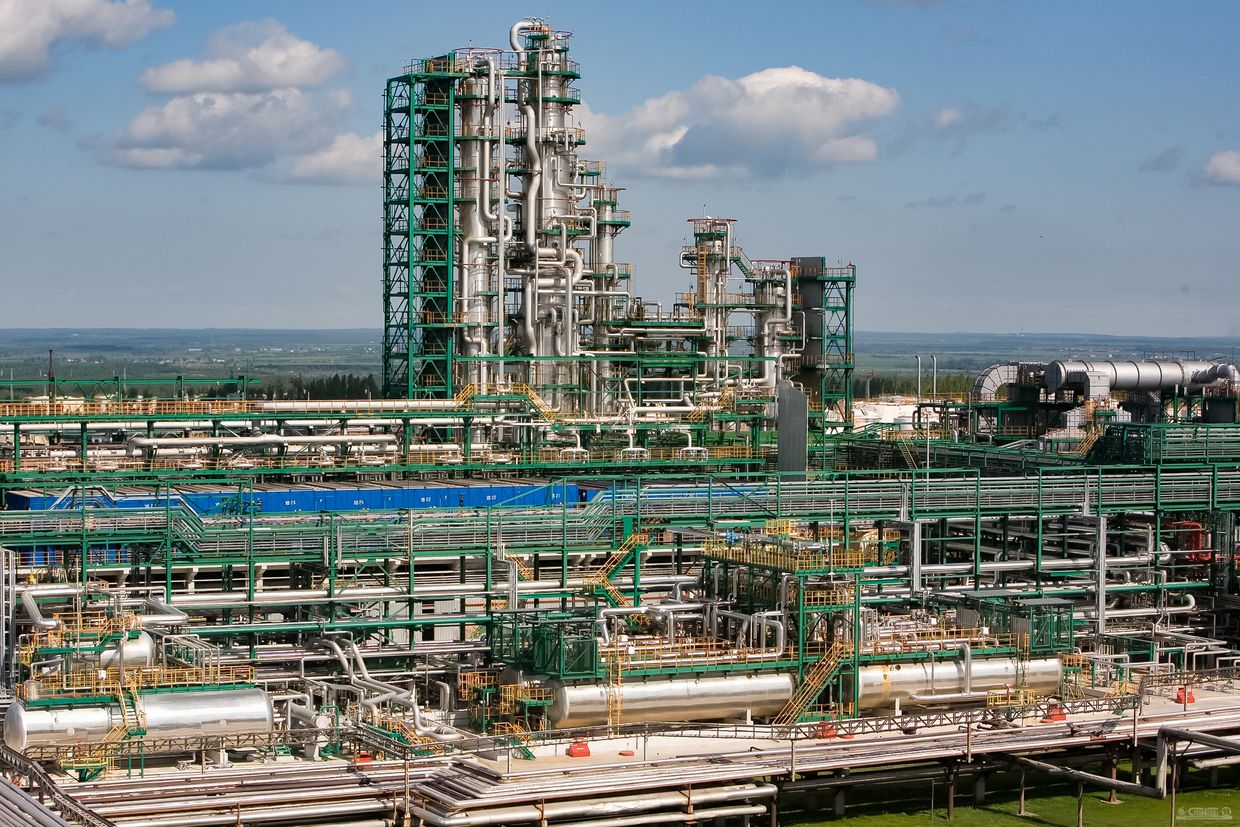
Ukraine said it struck the Lukoil-Nizhegorodnefteorgsintez refinery in Kstovo, one of Russia's largest, with annual processing capacity of around 17 million tons, and the Yaroslavl-3 oil pumping station on May 18-19. The attacks add to pressure on Russian oil infrastructure deep inside the country, with local officials also reporting drone activity near Yaroslavl and Moscow and no immediate casualties. The news is negative for Russian energy infrastructure and could modestly affect regional supply risk sentiment.
The immediate market read-through is not just a crude risk premium bid; it is a refining-systems problem. Repeated disruption to deep Russian processing and pumping nodes increases the odds of localized product shortages before it meaningfully dents headline crude supply, which is exactly the kind of mismatch that can widen diesel and jet cracks faster than Brent itself reacts. That creates a cleaner second-order winner set: integrated refiners with Atlantic Basin exposure and traders with access to prompt product arb, while upstream-only producers may see less beta than the headline suggests.
The more important effect is on logistics reliability and inventory behavior. If buyers start pricing in higher interruption risk for Russian product flows, importers will push up safety stocks and lengthen cover, which can tighten European middle distillate markets even without a formal sanctions change. That can support near-dated refining margins for weeks, but the effect is fragile if Russian operators reroute volumes, restore capacity quickly, or if the attacks prove episodic rather than a sustained campaign.
Contrarianly, the market may be overestimating the durability of the crude price response and underestimating the product-price response. Russia has shown it can repair/refocus damaged energy assets faster than most assume, while Ukrainian strikes mostly attack conversion and transport efficiency rather than removing all barrels from global balances. The cleaner expression is therefore not a broad long-energy view, but a relative value trade favoring refiners and distillate exposure over upstream or broad index energy longs, with the catalyst window measured in days to a few months rather than quarters.
Tail risk is escalation into a more systematic campaign against logistics nodes closer to Moscow, which would raise insurance, rail, and inland transport premia and could spill into broader European energy volatility. The reversal case is rapid repair plus diplomatic pressure that reduces strike frequency; if that happens, refinery crack spreads should mean-revert faster than crude, making any outright long-oil position low quality versus a product-spread trade.
AI-powered research, real-time alerts, and portfolio analytics for institutional investors.
Request DemoOverall Sentiment
moderately negative
Sentiment Score
-0.45
