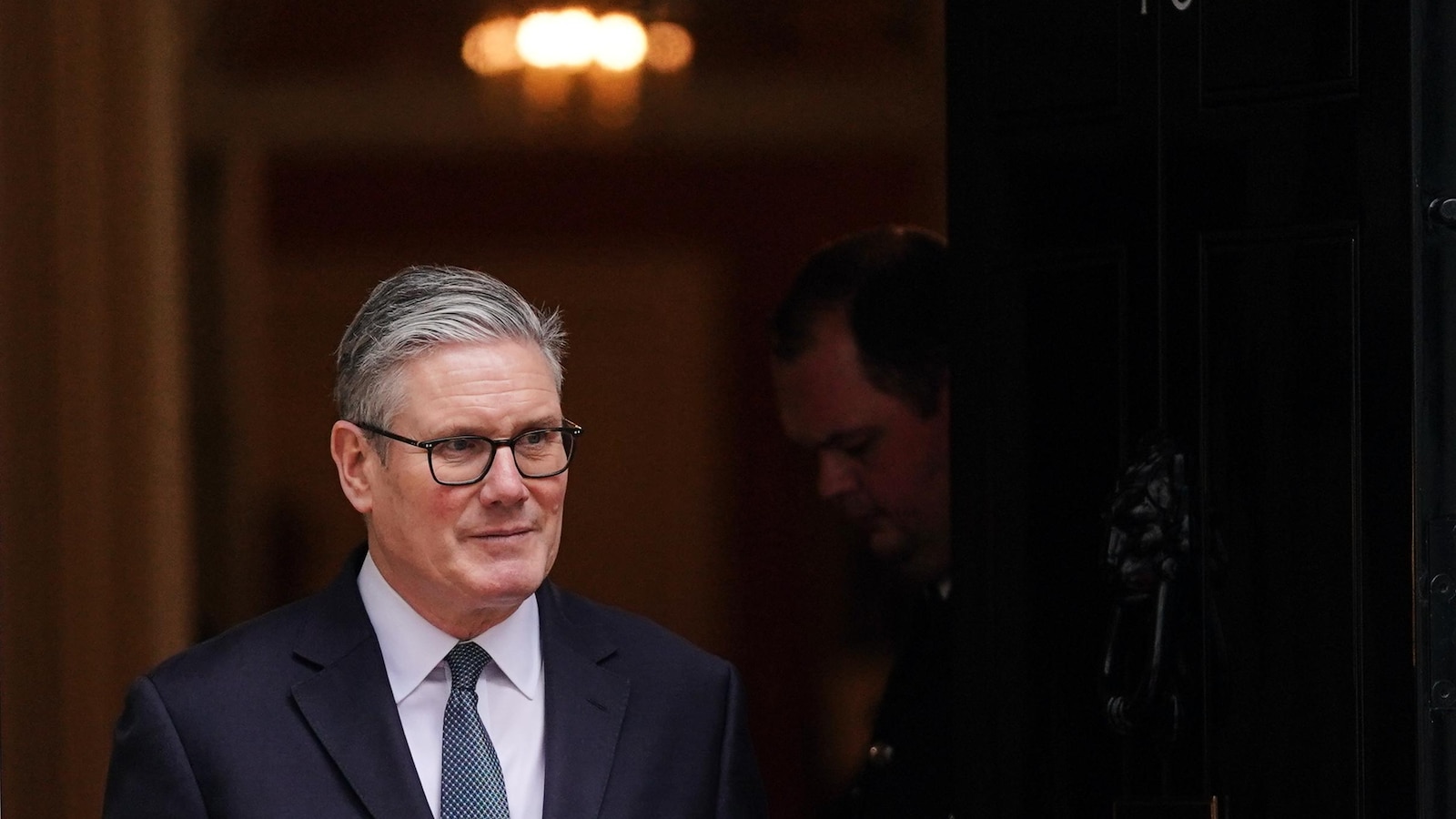
U.K. Prime Minister Keir Starmer is visiting China — the first U.K. leader to do so since 2018 — to meet President Xi with a delegation of ministers and corporate chiefs seeking Chinese technology, investment and greater access for U.K. financial services, autos and Scotch whisky. The trip aims to boost a sluggish British economy but carries political and security risks: it could provoke U.S. tariff retaliation under President Trump, draw domestic criticism over espionage and human-rights concerns, and revive debate over telecoms, nuclear projects, the new Chinese embassy and the Chagos handover.
Market structure: A pragmatic U.K.-China thaw would directly benefit U.K. exporters to China (premium spirits, autos, aerospace) and London financial services seeking RMB business; expect a 6–18 month revenue uplift if China grants market access (pilot quotas or MOUs). Downside winners are Chinese state financiers and developers seeking footholds in London real estate; losers include U.S.-facing exporters and defense/telecom firms if Anglo-American coordination deteriorates. On cross-assets, near-term GBP volatility should rise ±3–6% around headlines; gilts could cheapen (yields +10–30bps) on politico-trade risk while oil/industrial metals see marginal tail upside if China signals demand easing of restrictions.
Risk assessment: Tail risks include a high-impact U.S. tariff shock (Trump threatens 100% tariffs) or a China punitive response to UK policy — both low-probability but GDP‑level events for the U.K.; model stress P&L scenarios with a 25–40% hit to UK export revenues in an extreme tariff case over 12 months. Immediate (days) risk = headline-driven FX/equity swings; short-term (1–6 months) risk = deal/no-deal volatility; long-term (1–3 years) risk = re-regulation of tech/telecom investment. Hidden dependencies: U.S. defense posture (Chagos) and UK domestic politics can flip outcomes quickly; catalysts: signed investment agreements, Trump tariff statements, and parliamentary votes within 30–90 days.
Trade implications: Favor selective long exposure to UK consumer staples and financials with China channels (e.g., Diageo DGE.L, LSEG LSEG.L) for 6–18 months; hedge headline risk with FX/options. Implement pair trades to isolate China-access upside vs broader geopolitics (long FTSE/short S&P). Use 3‑6 month GBPUSD straddles or risk reversals to monetize increased implied vol ahead of visit and 30‑day follow-ups.
Contrarian angles: The market consensus treats China rapprochement as chiefly political risk; it underprices discrete revenue uplifts from concerted market access (targeted tariffs/quotas) — a 5–10% sales tailwind for winners is plausible within 12 months. Conversely, markets may be overpricing immediate U.S. tariff implementation (100% tariff is politically difficult and operationally chaotic); price-in a 20–40% probability rather than 100%. Historical parallel: 2015 “golden era” show that limited commercial wins can persist despite strategic distrust; unintended consequence — a short-term rally in UK asset prices could invite retroactive U.S. trade threats that create knee‑jerk volatility rather than sustained fundamentals.
AI-powered research, real-time alerts, and portfolio analytics for institutional investors.
Request DemoOverall Sentiment
mixed
Sentiment Score
0.00
