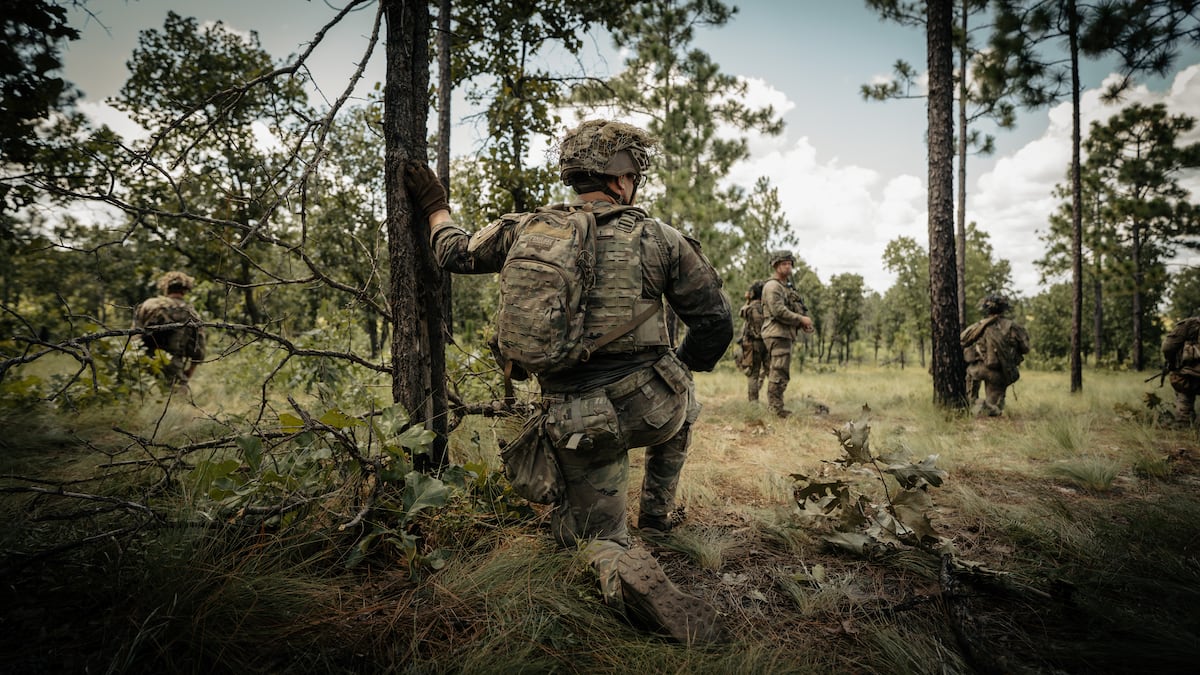
Thousands of U.S. troops are deploying to the Middle East as the Pentagon considers possible ground operations in Iran, including island/coastal seizures to reopen the Strait of Hormuz or raids on nuclear sites. Such missions risk immediate missile/drone/ground attacks, escalation via regional proxies, and disruption to oil exports (Kharg/Strait of Hormuz), with munitions and air-defense interceptors potentially depleted; 13 U.S. service members killed and >300 injured to date. This represents a material geopolitical shock likely to drive risk-off moves across markets, notably higher oil prices and upside pressure on defense contractors.
A limited or surgical ground campaign in Iran creates an outsized, front-loaded shock to energy and maritime cost curves that will linger beyond the initial headlines. If transits through the Strait of Hormuz are intermittently constrained for weeks, spot crude risk-premia can re-price by $10–$30/bbl in the near term while tanker freight and war-risk insurance shift from basis noise into persistent cost for exporters and refiners; that differential squeezes midstream and logistics operators even if nominal refinery throughput recovers within months.
Defense primes and expeditionary logistics vendors stand to see durable order flow and margin tailwinds over 6–24 months as inventories of interceptors, ISR sensors and expeditionary sustainment stocks are replenished; expect procurement timelines to compress and lead times for specialized components (RF semiconductors, gyro-stabilized sensors, CBRN kit) to extend, creating supply wins for vertically integrated suppliers versus pure-play OEM subcontractors. Conversely, firms with concentrated exposure to maritime logistics and short-cycle inventories will experience cost passthrough friction and operational delays that depress near-term free cash flow.
Market structure risk is asymmetric: days-to-weeks markets will trade risk-off and inflation fears (energy spike + shipping shock), while the multi-month view hinges on political signaling and attrition rates of air-defense interceptors. A rapid, decisive de-escalation or credible back-channel diplomacy can erase the premium within 30–90 days; sustained proxy attacks or a temporary closure of Hormuz for multiple weeks would institutionalize higher insurance and rerouting costs for quarters. The consensus underprices the persistence of logistics frictions — even a short-lived closure leaves durable contract repricing across bulk shipping and charter markets that favors selected equities for at least two quarters.
AI-powered research, real-time alerts, and portfolio analytics for institutional investors.
Request DemoOverall Sentiment
strongly negative
Sentiment Score
-0.65
Ticker Sentiment
