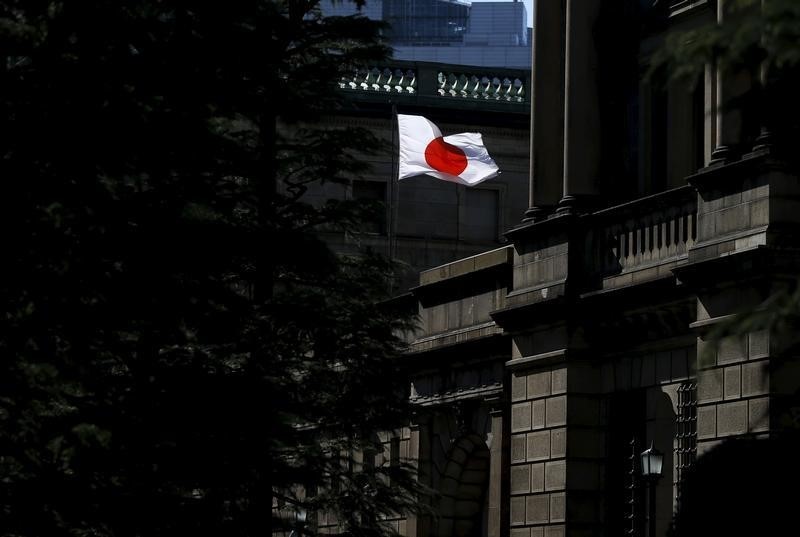
ING analysts flag the Bank of Japan could hike rates as early as April, citing core-core inflation at 2.5% (above the 2% target) despite headline CPI slowing to 1.3% y/y in February (from 1.5%). Strong wage gains (union-reported average pay +5.26%) and PMI remaining in expansion (manufacturing 51.4, services 52.8) underpin the hawkish tilt, raising near-term hike odds. Analysts caution the exact timing depends on Middle East developments and oil-market moves after $580M of oil bets were placed ahead of a Trump Iran post.
A pivot in BOJ communication toward normalization would be a tectonic event for cross‑asset positioning: it incentivizes a unwind of long‑JPY carry financing and forces re‑pricing of global fixed income convexity. The immediate mechanics are straightforward — higher Japanese yields compress the incentive to fund in yen and lever into US/EM assets, raising funding costs for dollar‑hedged equity and credit trades within 3–6 months.
Second‑order winners are domestic financials and insurers that re‑capture net interest margin and reduce duration mismatch costs, while large exporters face margin pressure through currency translation and may accelerate onshore hedging programs. That dynamic also makes domestic capex and services more attractive versus export capex, shifting the sectoral leadership of Japan’s equity market over multiple quarters.
Key risks that could derail the tightening path are exogenous growth shocks (global growth slowdown or a sharp oil spike from geopolitical escalation) and any fresh BOJ effort to defend longer yields via intervention or re‑instituted yield curve control; either would reverse positioning rapidly and spike correlation across EM and risk assets. Watch rate‑sensitive multiples — a gradual BOJ lift is a 3–9 month catalyst for dispersion, but a sudden, front‑loaded move could trigger de‑risking within weeks.
Structurally, this is asymmetric: modest BOJ progress monetizes domestic demand upside while market expectations already price only a small degree of normalisation, so option‑based bets on JPY appreciation or selective exposure to AI hardware demand (less multiple‑sensitive) look underpriced. Overlay geopolitical hedges and size for a regime‑change outcome, not a one‑off data beat.
AI-powered research, real-time alerts, and portfolio analytics for institutional investors.
Request DemoOverall Sentiment
mildly positive
Sentiment Score
0.15
Ticker Sentiment
