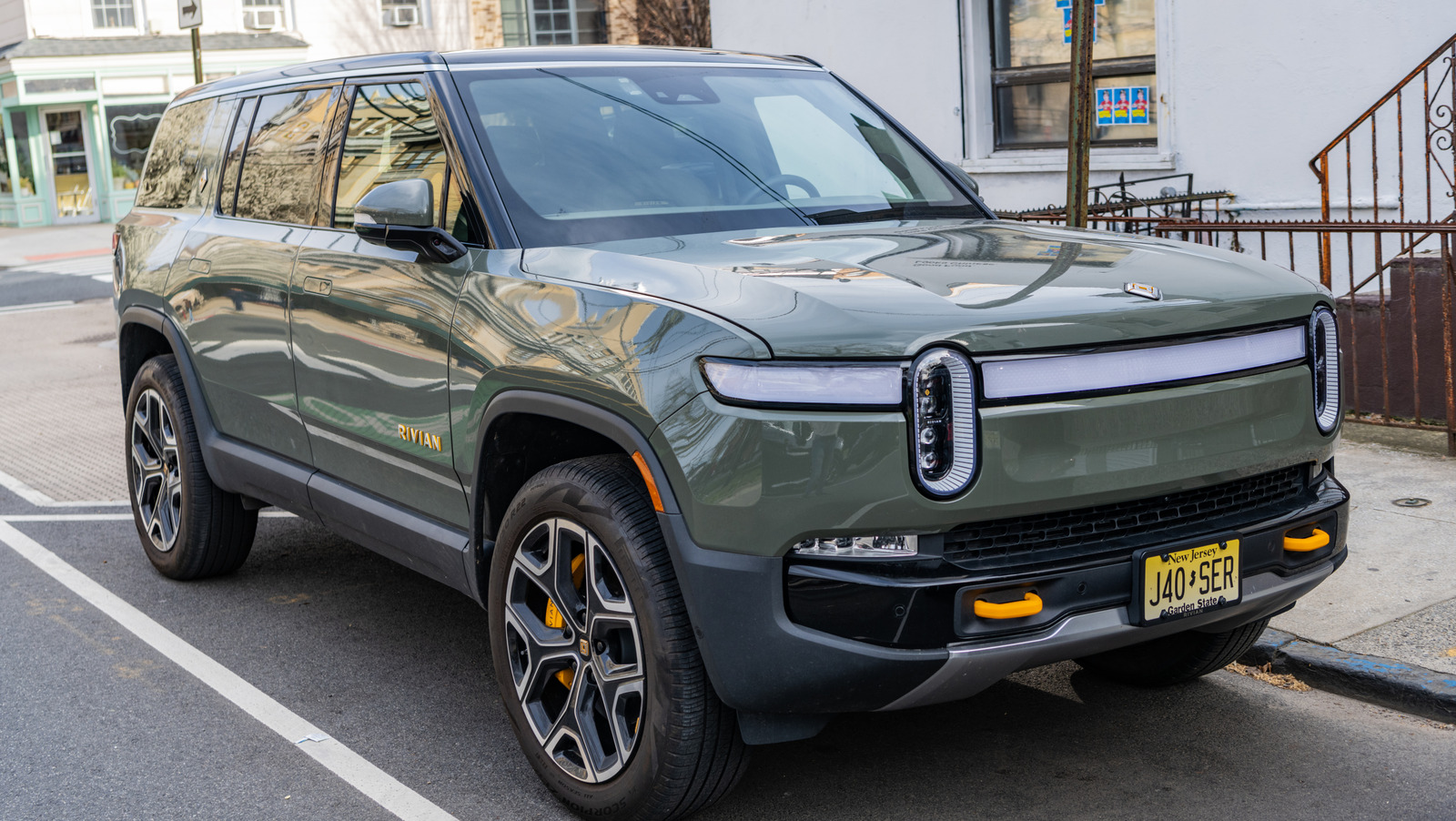
Rivian CEO RJ Scaringe said the company will not adopt Apple CarPlay, arguing that introducing a third-party abstraction layer creates AI-related risks and undermines control of the end-to-end infotainment experience. Rivian is instead expanding native functionality (Apple Music, iPhone Car Key, Google Maps) and plans to integrate AI agents such as ChatGPT and Gemini into its systems; management portrays the stance as a product-differentiation decision with limited near-term financial or market impact.
Market structure: Rivian (RIVN) and Tesla (TSLA) preserving in-house infotainment keeps OEMs in control of UX and recurring monetization (maps, subscriptions, AI assistants). Apple (AAPL) sees limited near-term revenue upside from CarPlay absence — estimated impact to Apple Services from in-car software is immaterial (<0.5% of revenue) over 12 months — but it reduces Apple’s platform stickiness for vehicle-bound data over multi-year horizons. Suppliers of AI stacks and high‑performance SoCs (NVDA, QCOM, AVGO) are net beneficiaries as OEMs push native AI integration.
Risk assessment: Tail risks include regulatory forced interoperability (EU/US antitrust) with ~10–20% probability over 24 months that could mandate standardized interfaces, compressing OEM pricing power. Operational risk: AI-driven agent errors or privacy breaches could trigger recalls/large fines — assign a 5–10% short-term reputational hit probability that would spike implied vol and widen credit spreads for weaker OEMs. Hidden dependency: OEMs rely on Apple/Google for map/music; negotiating access or licensing could become a costly choke point within 6–18 months.
Trade implications: Tactical directional exposure to RIVN/TSLA should be small and event-driven — RIVN stands to gain brand differentiation if UX + AI retention metrics improve; target a 12–18 month horizon for realizing 20–50% upside if retention rises by 5–10%. Use defined-risk option structures (9–12 month call spreads on RIVN sized 1–2% portfolio) rather than outright leverage; consider a relative-value pair (long RIVN, short TSLA) sized 1% each to express execution-over-moat view and trim on major product announcements.
Contrarian angles: The market underestimates frictional costs of fragmented stacks — maintenance, OTA testing and warranty could add 50–150 bps to opex over 3 years, pressuring low-margin legacy suppliers. Conversely, consensus may be downplaying the chance OEMs monetize native assistants aggressively (subscriptions/ads) creating a 200–400 bps potential gross-margin tailwind for successful integrators over 3–5 years. Monitor WWDC, CES, and OEM earnings for hard commitments — these are binary catalysts that will reprice winners/losers quickly.
AI-powered research, real-time alerts, and portfolio analytics for institutional investors.
Request DemoOverall Sentiment
neutral
Sentiment Score
0.05
Ticker Sentiment
