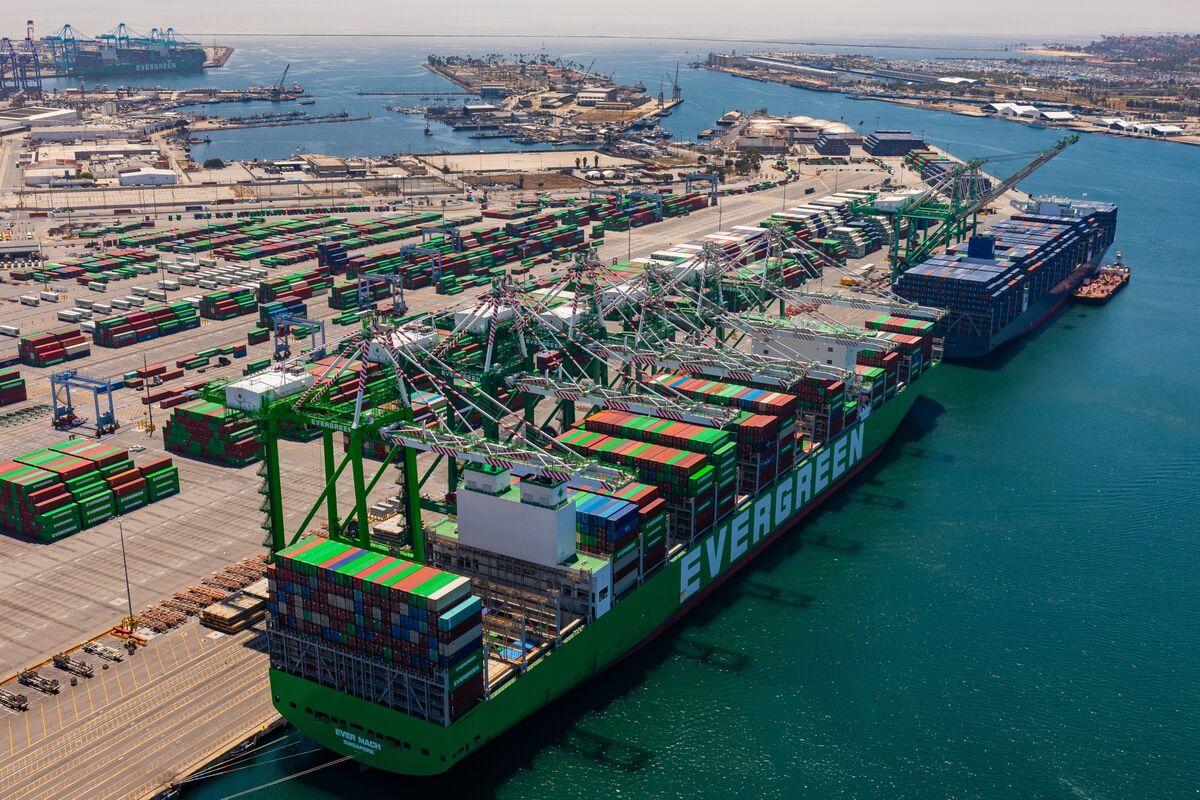
The White House on Thursday announced adjusted reciprocal tariff rates on imports from a range of trading partners, set to take effect in seven days, with the stated aims of narrowing trade deficits and raising revenues. This policy shift is poised to impact international trade flows, potentially influencing corporate supply chain strategies and corporate earnings across affected sectors.
The White House has announced the implementation of adjusted reciprocal tariff rates on imports from a range of trading partners, set to take effect in seven days. The stated policy goals are to narrow the U.S. trade deficit and generate revenue. The announcement has been met with a moderately negative market sentiment, registering a score of -0.6, and is projected to have a high market impact score of 0.7, indicating significant investor concern and the potential for broad market volatility. While specific countries and goods are not detailed, this policy shift directly affects international trade dynamics and fiscal policy. Companies with global supply chains are now facing imminent cost pressures, which could compress margins or necessitate price hikes, ultimately impacting corporate earnings and consumer spending. The short implementation window of one week provides minimal time for businesses to adjust sourcing or logistics, amplifying the disruptive potential of this trade policy action.
AI-powered research, real-time alerts, and portfolio analytics for institutional investors.
Request DemoOverall Sentiment
moderately negative
Sentiment Score
-0.60
