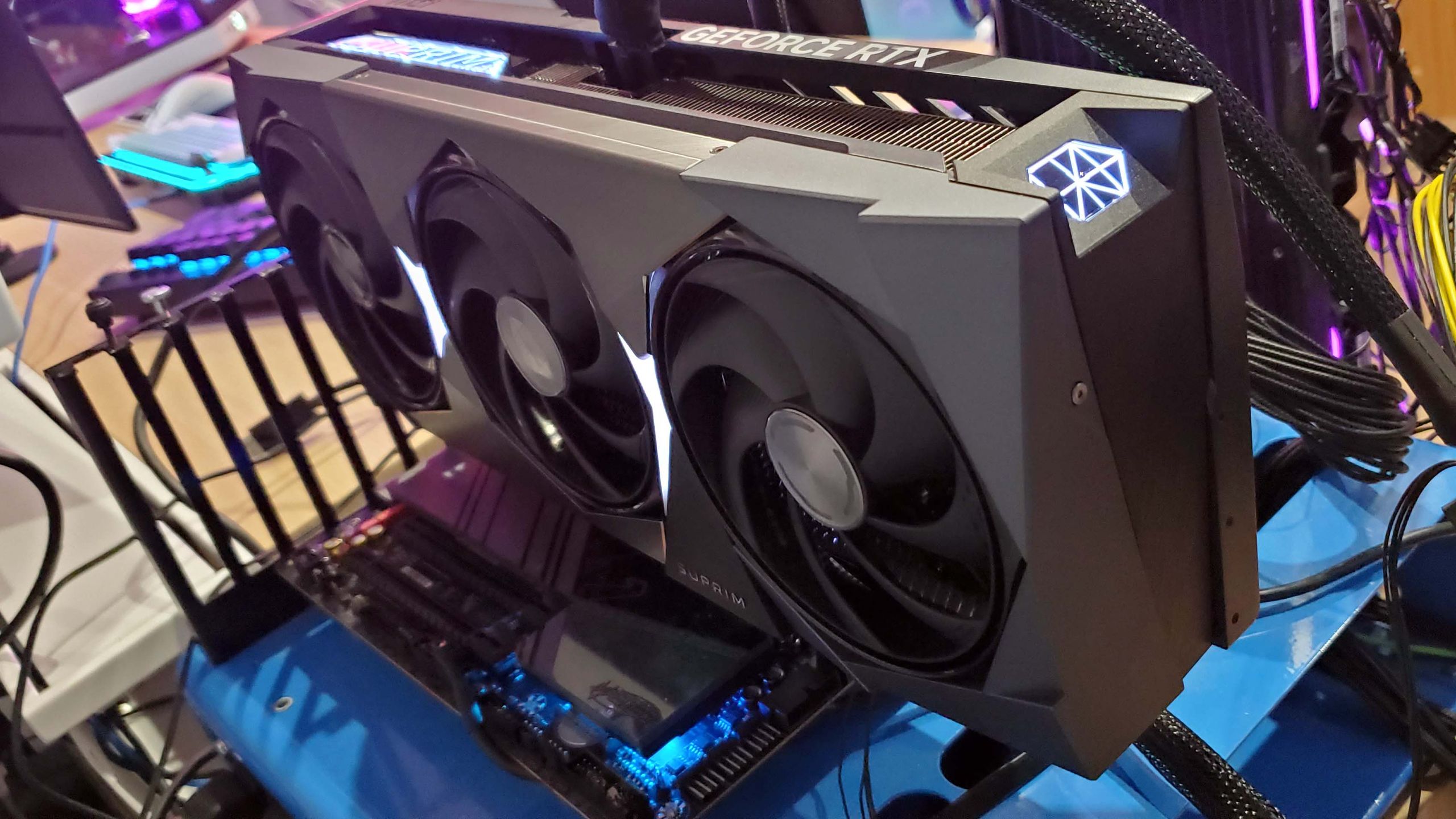
A credible leaker claims Nvidia may stop bundling VRAM with its GPU dies, forcing add-in-card (AIC) partners to source memory themselves amid a tightening DRAM market being prioritized for data-center customers. The shift would raise VRAM procurement complexity and costs for smaller partners, risking reduced competition and either higher GPU prices or lower retail availability; retailers already report rising component costs. The report is currently a rumor and would not trigger immediate across‑the‑board price hikes, but it materially increases medium-term supply‑chain and margin risks for GPU vendors and could benefit large memory suppliers.
Market structure: Unbundling VRAM shifts upstream pricing power toward DRAM suppliers (Micron MU, Samsung) and large AICs with procurement scale (Gigabyte/MSI), while smaller AICs (Inno3D/Gainward) face margin pressure or exit risk. Expect short-term GPU retail shortages and 10–30% pass-through of DRAM ASP increases to GPU MSRP within 1–3 quarters, while NVDA’s bargaining leverage and gross-margin optics depend on contract terms it negotiates with partners.
Risk assessment: Tail risks include a public spat/contract dispute between NVDA and AICs, antitrust scrutiny, or rapid DRAM rationing to data centers causing >30% VRAM price spikes and consumer demand destruction. Immediate (days) risk is sentiment volatility; short-term (weeks–months) is supply reallocation; long-term (quarters) is structural margin shift for GPU value chain. Hidden dependencies: multi-year memory supply contracts, OEM inventory days, and GPU channel inventory can mute or amplify price moves.
Trade implications: Tactical long exposure to DRAM producers (MU) with a 3–9 month horizon and sized 2–3% of risk capital is warranted if DRAM spot ASPs rise >15% QoQ; hedge NVDA exposure with options. Consider relative plays: long AMD (mid-range share gain) vs short NVDA if confirmation of unbundling or margin guidance cut >50bps; use 3–6 month call/put spreads to limit capital.
Contrarian angles: Consensus assumes persistent retail pain; miss is that NVDA could absorb VRAM procurement initially to protect ASP and partners, making any price shock transient and NVDA shares resilient. Historical parallels: 2017–18 DRAM cycles showed 6–9 month ASP spikes then demand elasticity pulled pricing back — so avoid one-way, unhedged directional bets and size for mean reversion.
AI-powered research, real-time alerts, and portfolio analytics for institutional investors.
Request DemoOverall Sentiment
moderately negative
Sentiment Score
-0.50
Ticker Sentiment
