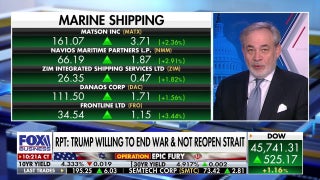
A 50% spike in oil prices and U.S. gasoline topping $4/gal have increased market volatility, but Wells Fargo CEO Charlie Scharf says the underlying economy remains strong with consumers spending 20–30% more on fuel without cutting other spending. Scharf highlights low delinquencies and rising wages but cautions the indices show fragility amid a liquidity crunch and wider spreads that are deterring investors. He warns the proposed 10% credit-card interest cap could constrain credit availability, and says Wells Fargo is "very good" on its growth outlook while noting $3–5 trillion in potential AI infrastructure investment opportunity.
Market anxiety is front-running the real-economy signal: consumer cashflows and bank loan performance are trending benign now, but energy-driven inflation is a slow-moving stress test that typically shows up in consumer credit metrics with a 6–12 month lag. That lag creates a window where equities tied to consumer spending and traditional retail can re-rate higher even as macro volatility persists; conversely, issuers concentrated in risk-tier lending will see faster margin compression if policy or rate paths change.
The crude/liquidity dislocation creates sharp near-term price dispersion and funds a volatility premium that will remain elevated while shipping and Strait-of-Hormuz risk are unresolved. Expect higher freight/insurance bills and longer routing to shave refinery and chemical margins through Q2–Q4, benefiting vertically integrated producers and large refiners with downstream light-product flexibility while hurting merchants and smaller regional refiners.
Wells Fargo’s positioning call — optimistic on AI infrastructure and cautious on credit-cap regulation — points to asymmetric opportunities: banks with diversified deposit franchises and corporate lending to hyperscalers should outperform issuers reliant on credit-card economics if caps or restrictions materialize. The major catalyst set is bifurcated: geopolitics drives 0–90 day price spikes and funding volatility; regulatory or consumer credit deterioration drives 6–18 month earnings inflection. Monitor implied vol curves, refinery crack spreads, and bank card receivable growth as near-term signal series.
AI-powered research, real-time alerts, and portfolio analytics for institutional investors.
Request DemoOverall Sentiment
mixed
Sentiment Score
0.05
Ticker Sentiment
