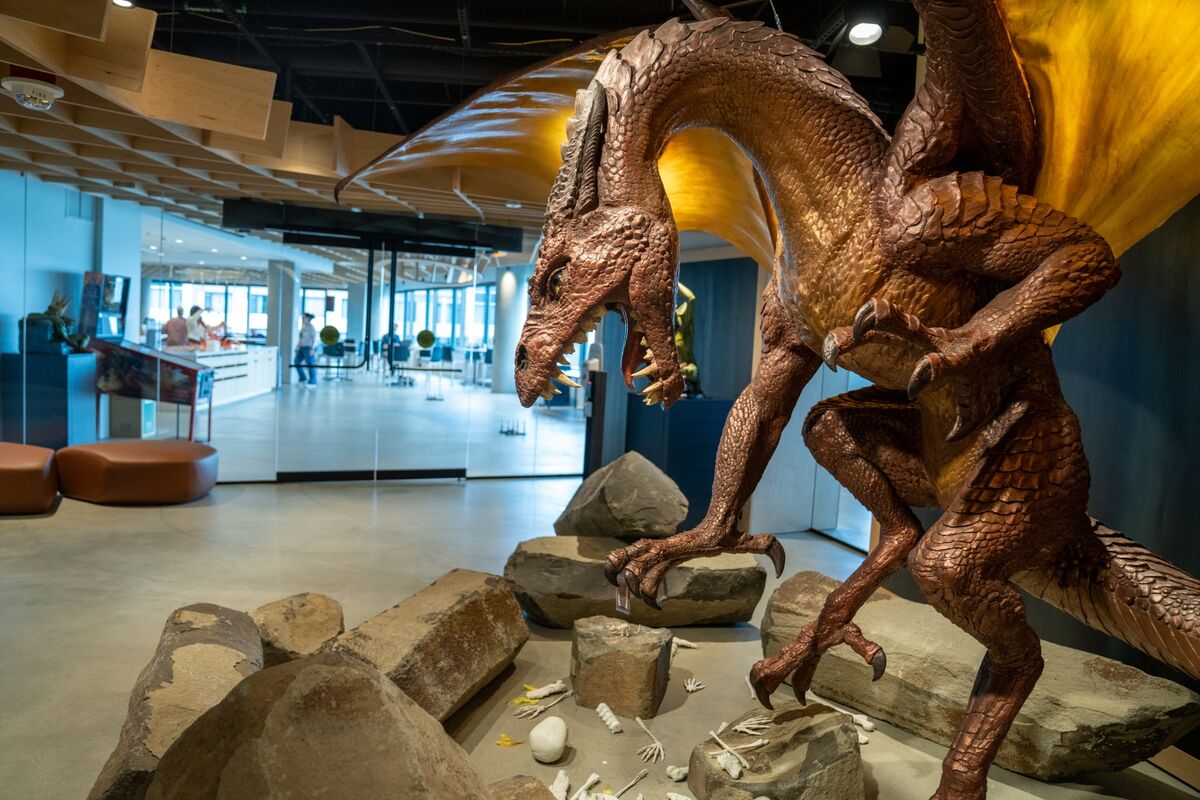
Hasbro canceled a publishing deal with independent studio Giant Skull less than a year after announcing it with Wizards of the Coast. The cancellation removes a planned Dungeons & Dragons video-game project and is a modest setback for the studio founded by Stig Asmussen, the former director of God of War III and Star Wars Jedi: Fallen Order. The news is negative for the project pipeline but likely limited in broader market impact.
This cancellation is more signal than standalone economic event: it suggests Hasbro is still struggling to turn its tabletop IP into durable, third-party game monetization. The key second-order effect is that licensed-development pipelines become less dependable, which should reduce the market’s willingness to underwrite future “IP-option value” in Hasbro until there is clearer evidence of execution or a more integrated internal publishing strategy.
For EA, the direct financial impact is negligible, but the headline is mildly useful because it reinforces the value of its internal talent bench and franchise-development machine versus highly capitalized independent studios. In a market where premium game talent is scarce, the biggest hidden loser may be the broader ecosystem of veteran-led indie studios: one canceled partnership tightens financing terms for teams pitching outside publishers, especially when those teams are built around single-deal dependency rather than multi-title pipelines.
The contrarian read is that this may actually be incrementally positive for Hasbro if it reflects disciplined capital allocation rather than creative failure. If management is pruning low-conviction partnerships, the stock could stabilize once investors see the company redeploying capital toward higher-certainty digital projects or licensing models with better economics; the reversal window is likely months, not days. The downside risk is that repeated cancellations would confirm a weak internal greenlight process and keep the multiple compressed, because the market will start discounting the entire gaming initiative as optionality with poor conversion.
Near term, the catalyst path is thin: the stock reaction should fade unless management commentary frames this as a pipeline reset with clearer ownership and milestones. Watch for evidence over the next 1-2 quarters of new partner announcements, cost discipline in digital, or any write-downs tied to unrealized gaming ambitions.
AI-powered research, real-time alerts, and portfolio analytics for institutional investors.
Request DemoOverall Sentiment
mildly negative
Sentiment Score
-0.25
Ticker Sentiment
