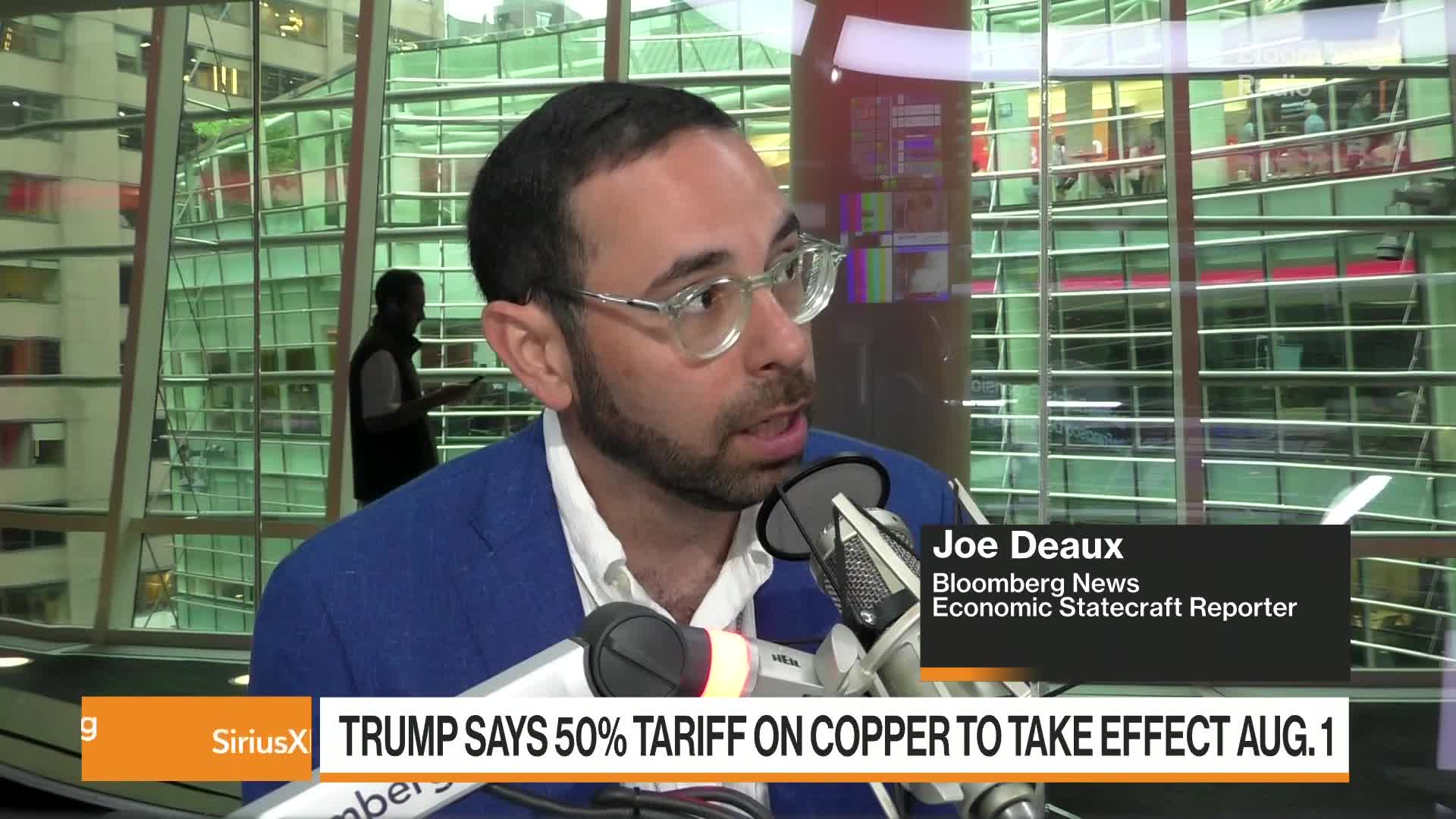
President Donald Trump confirmed a 50% tariff on copper imports will take effect August 1, a measure he states aims to reverse previous administrations' policies and rebuild a dominant U.S. copper industry. This higher-than-expected levy, however, is anticipated to harm American producers in sectors such as automobiles and appliances that rely on the metal.
President Trump's confirmation of a 50% tariff on copper imports, set to begin August 1, represents a significant escalation in trade protectionism with direct implications for the U.S. industrial supply chain. The higher-than-expected levy is explicitly intended to insulate and rebuild the domestic copper industry, a goal framed within a political context of reversing policies of the current administration. However, the immediate and primary consequence, as highlighted in the report, will be a substantial increase in input costs for American manufacturers. Key sectors such as automotive and appliances, which are heavy consumers of copper, are expected to face significant margin pressure. This policy creates a clear economic conflict: potential support for domestic primary copper producers versus a direct cost burden on a much broader set of downstream manufacturing industries, likely leading to inflationary pressures and supply chain re-evaluations for affected firms.
AI-powered research, real-time alerts, and portfolio analytics for institutional investors.
Request DemoOverall Sentiment
strongly negative
Sentiment Score
-0.60
