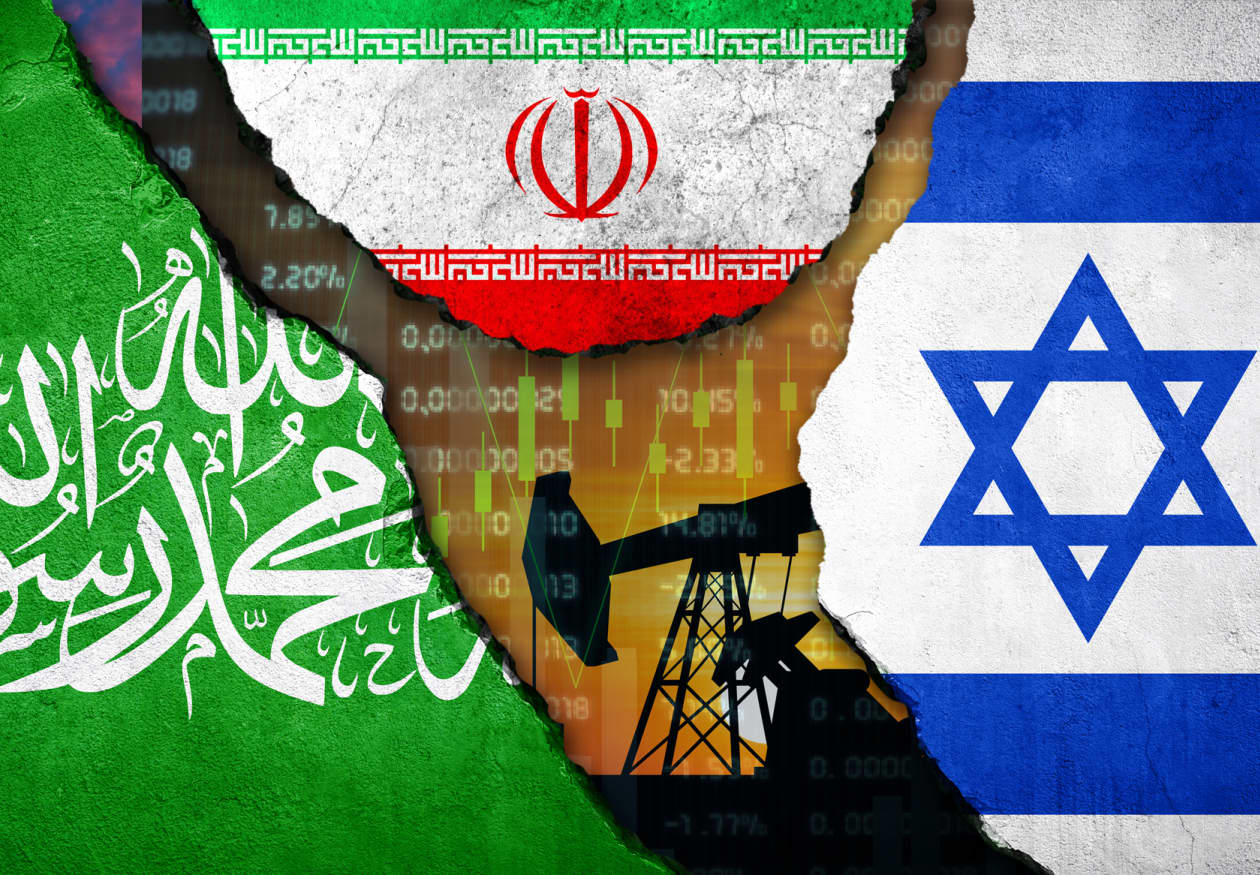
Oil prices exhibited only a modest rise following Israel's strike on Hamas leadership in Qatar, defying expectations of a more significant rally given the regional geopolitical risk. This muted market response underscores that current concerns over a global crude supply glut, driven in part by major producers' focus on market share, are outweighing potential threats to Middle Eastern oil flow.
The crude oil market is demonstrating a notable bearish sentiment, where concerns over a supply glut are currently superseding the geopolitical risk premium typically associated with Middle East conflicts. Despite a significant escalation in tensions following Israel's attack on Hamas leadership in Qatar, the resulting oil price rally was modest. This muted reaction indicates that market participants are weighing the threat of a widening conflict against the more immediate reality of excess global crude supply. The situation is exacerbated by the strategic posture of major producers, including Saudi Arabia, who are reportedly prioritizing the defense of market share, a stance that implies sustained or even increased production levels. Consequently, the fundamental driver for oil prices is currently supply-side weakness, which is effectively capping the upside from geopolitical flare-ups.
AI-powered research, real-time alerts, and portfolio analytics for institutional investors.
Request DemoOverall Sentiment
moderately negative
Sentiment Score
-0.55
